Art History: Essential Movements and How They Shape Today
What if I told you the look of your phone, your living room, and some tattoo styles all trace back to the same handful of art ideas? Art history isn't just old paintings on a wall. It's a set of moves artists and designers used to change how people see the world. Knowing a few key movements makes museums easier to enjoy and helps you spot inspiration in everyday life.
Why these movements matter now
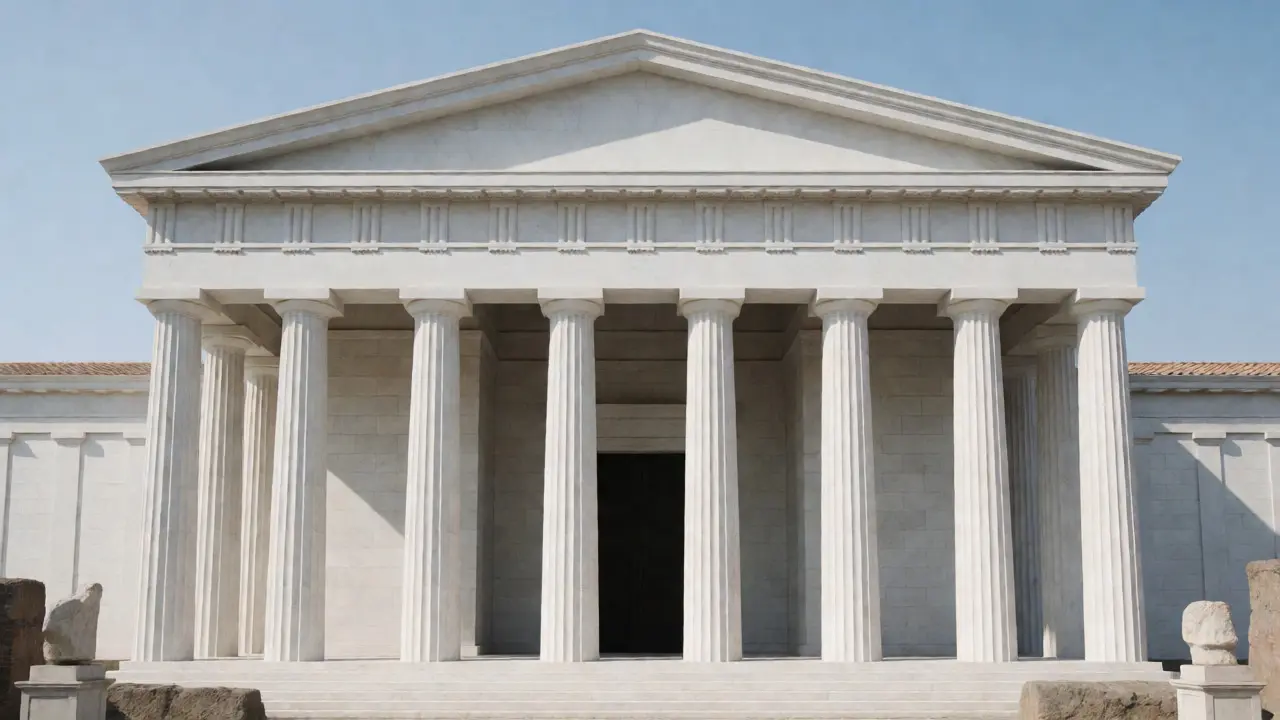
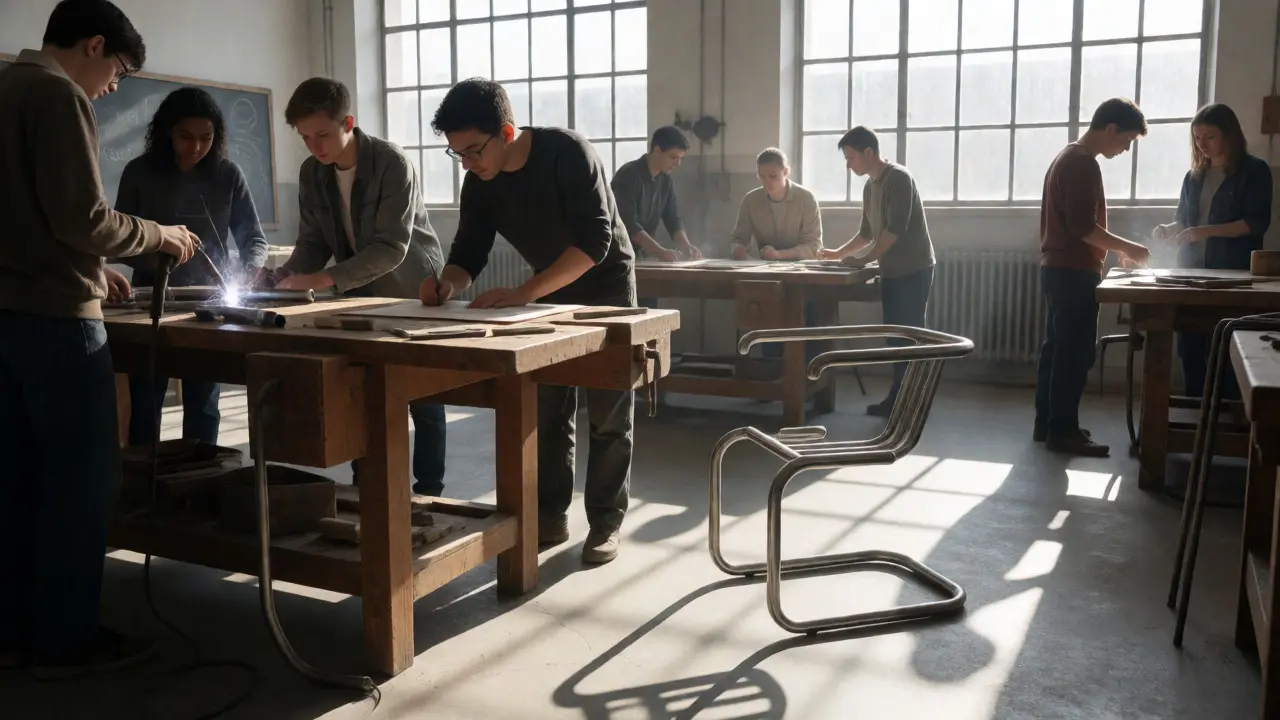
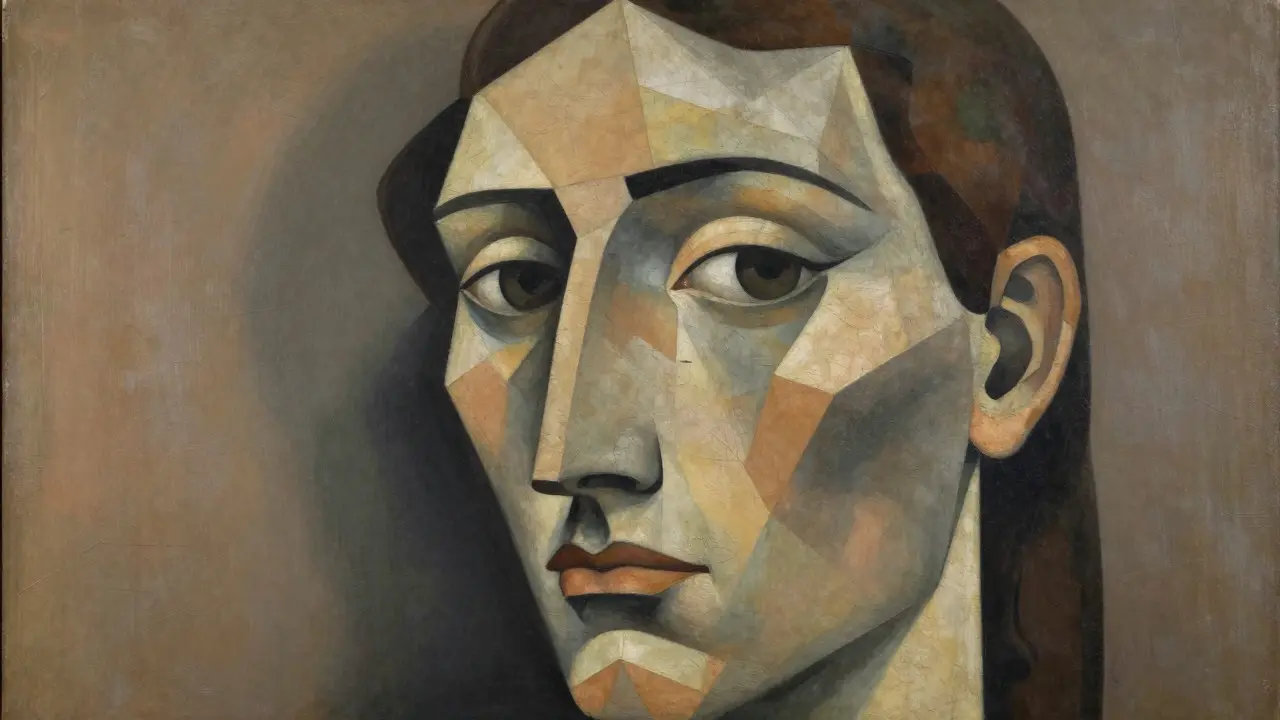
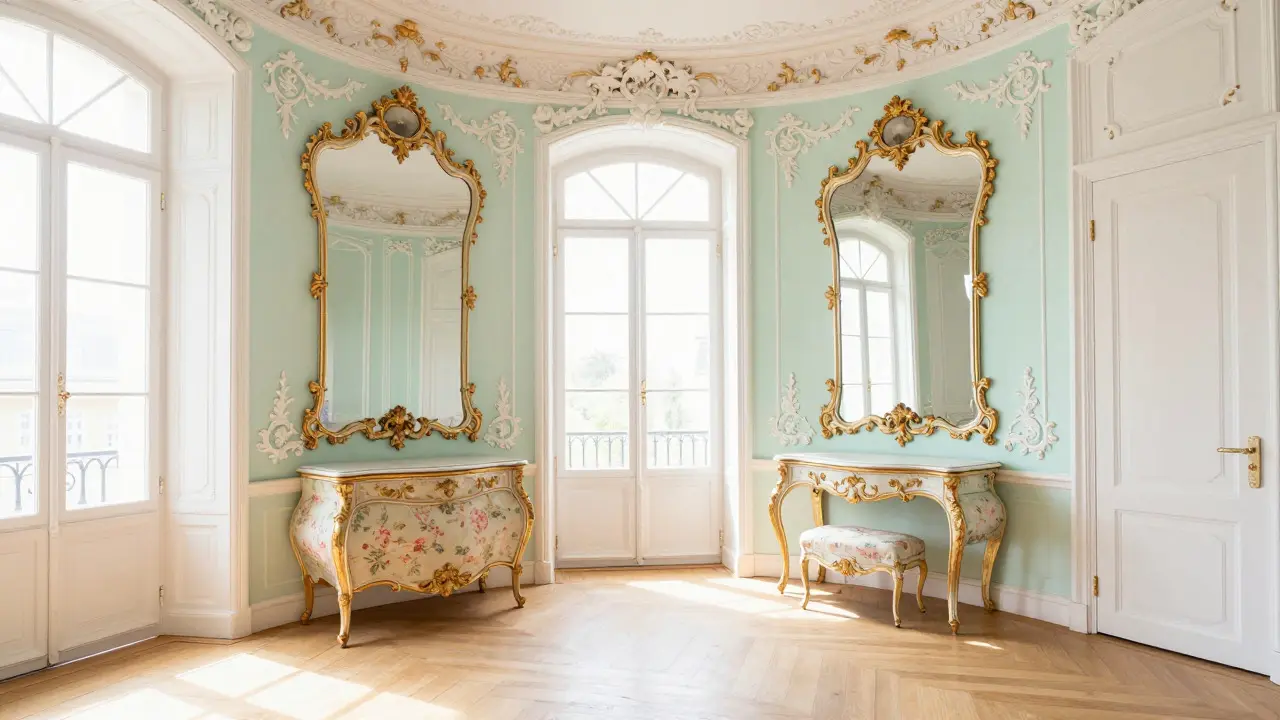
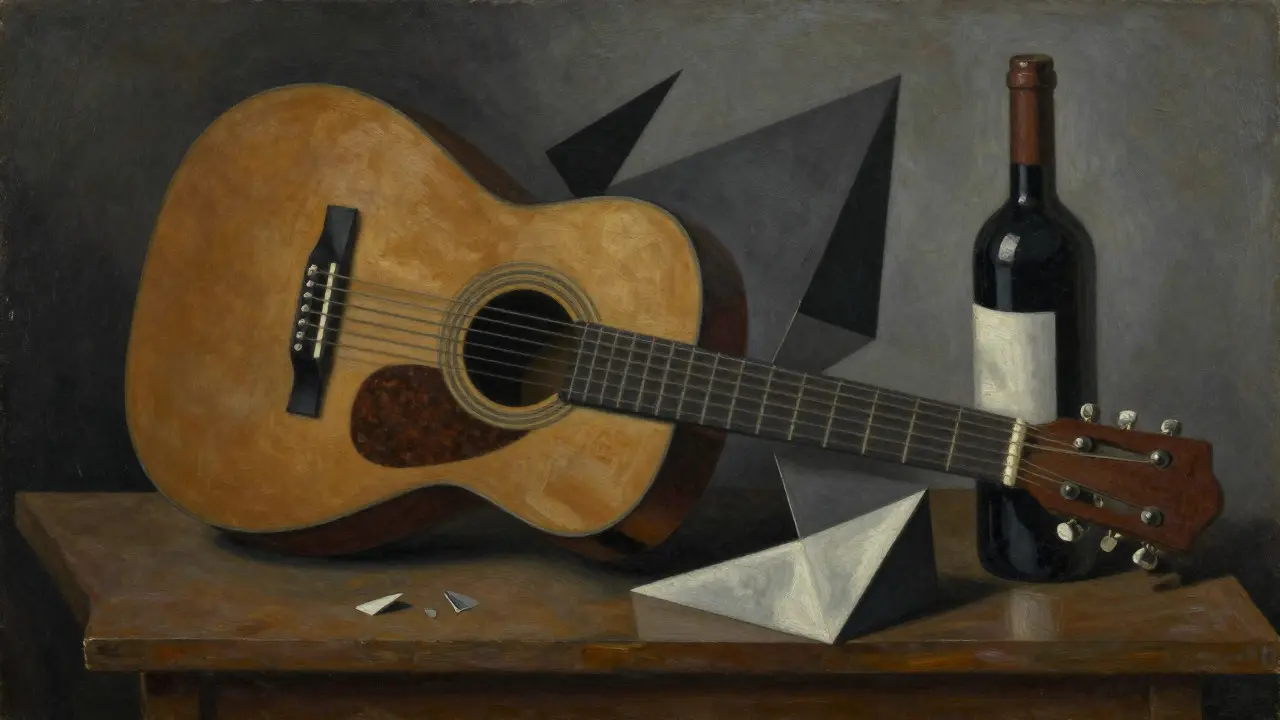
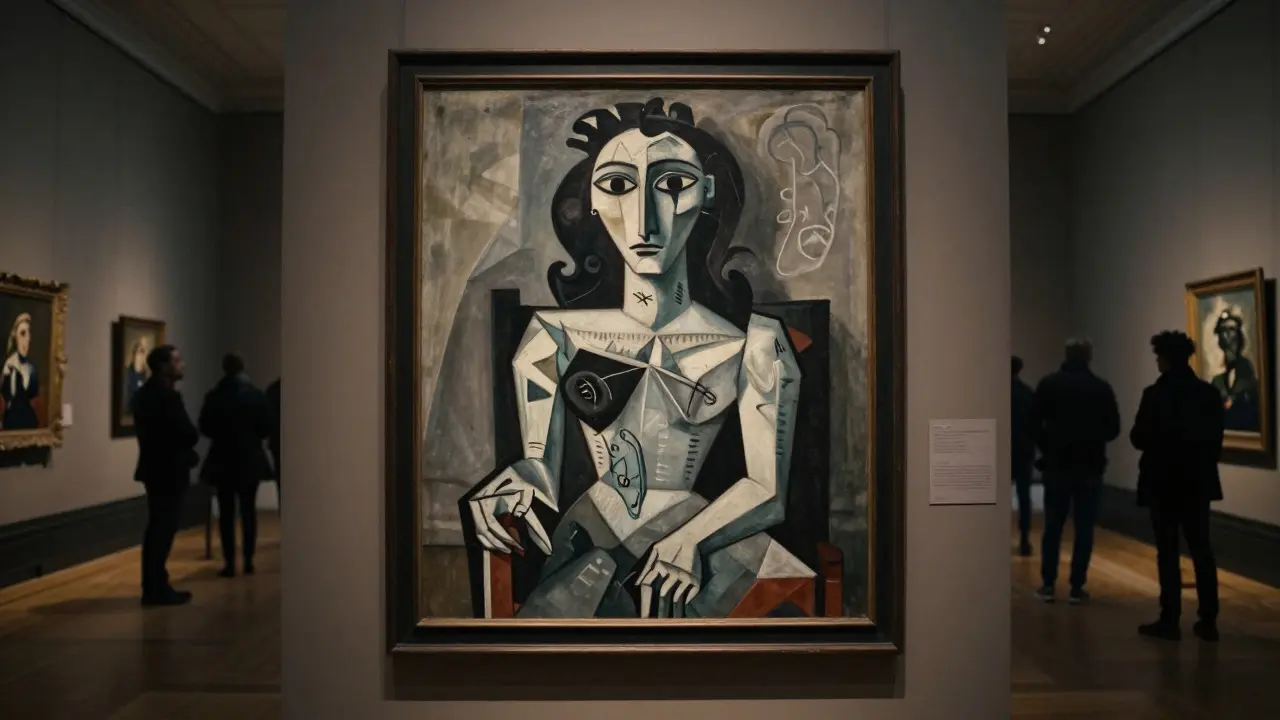
Bauhaus taught that form should follow function—clean lines, useful objects. That idea shows up in modern furniture and app interfaces. Abstract Expressionism pushed emotion and gesture to the front; think of big, messy canvases that feel alive. Cubism broke objects into shapes so we could view several sides at once; designers borrowed that fractured thinking for logos and layouts. Baroque used drama, light, and movement to stir feelings; you can still hear that energy in movie soundtracks and see it in dramatic interiors. Each movement left a toolkit artists and designers still reach for.
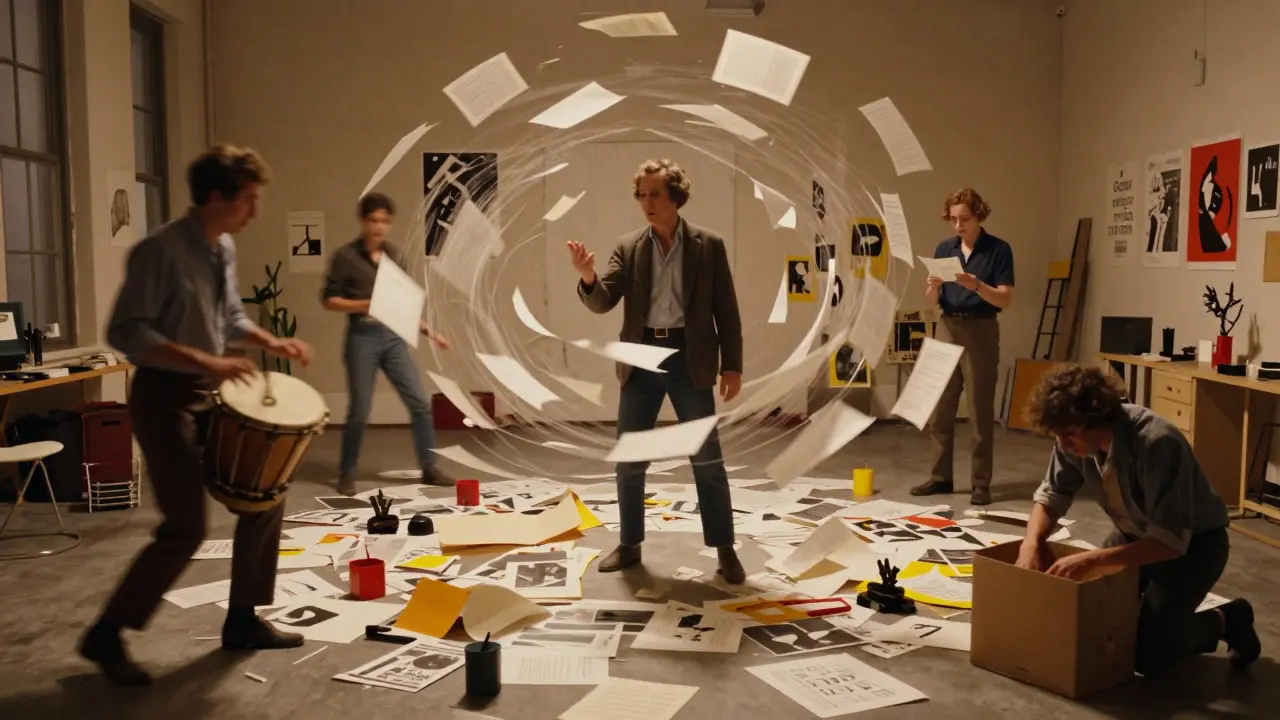
Some movements changed more than style. Fluxus blurred art and life with playful actions—so performance art and experiential exhibits are direct descendants. Ukiyo-e prints shaped Japanese tattoo imagery; motifs like koi and waves moved from woodblocks to skin. De Stijl’s grid and color rules live on in graphic design and web layouts. These connections are concrete: a chair, a poster, a tattoo can carry a century of ideas.
Simple ways to read an artwork and use it
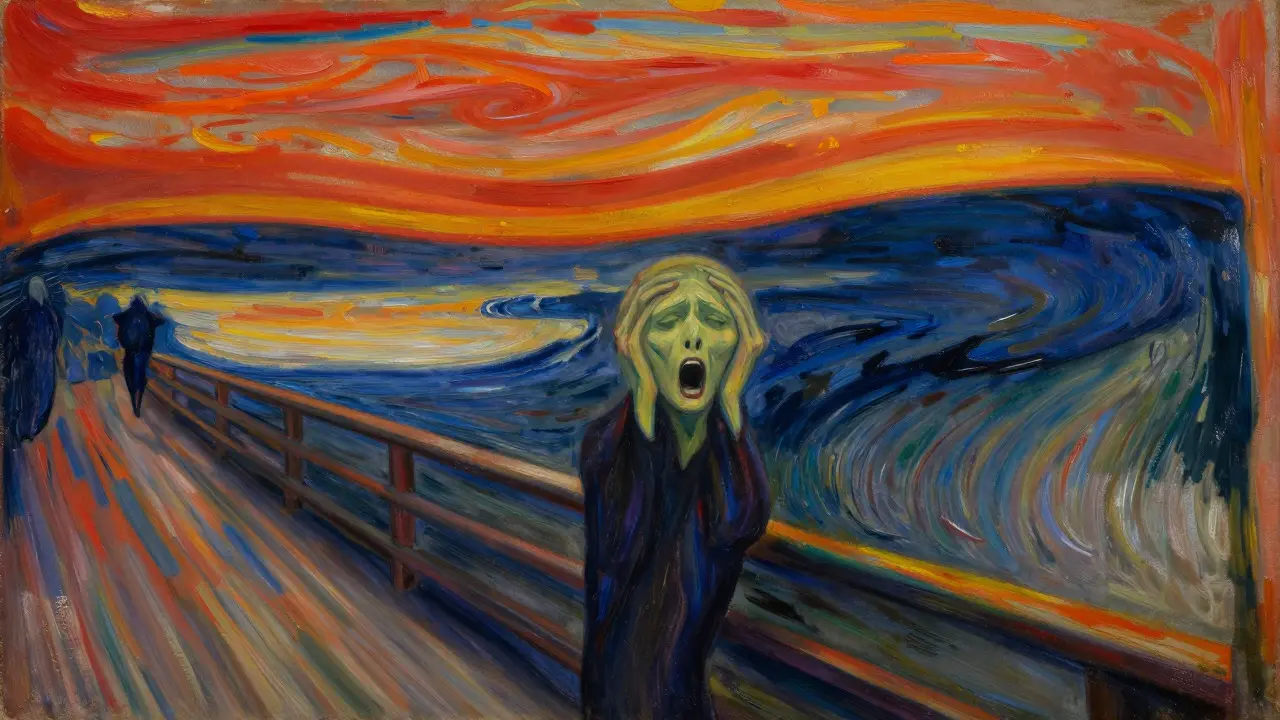
Start small. When you look at a painting, ask three quick questions: What stands out first—color, shape, or story? How does the artist use space—balanced, chaotic, or flat? What emotion or idea is pushed forward? Those answers point to a movement. Bold color and raw feeling? Expressionism. Geometric shapes and fractured planes? Cubism. Clear grids and primary colors? De Stijl.
Use art history in daily life with tiny experiments. Swap one busy throw pillow for a simple Bauhaus-style geometric cushion. Play a Baroque playlist while you work to test how drama changes focus. Try a gallery visit with a one-sentence goal: “Find three works that use light dramatically.” Jot what you notice. Over time your eye will spot patterns faster.
If you want to dig deeper, pick one movement and follow three paths: a short article to learn the basics, a key artist to study, and a nearby museum or online collection to see works up close. That mix—reading, looking, and comparing—builds real understanding without overwhelm.
Art history is a tool, not a museum guardrail. Knowing a few movements helps you enjoy art more, choose design that fits your space, and recognize where ideas come from. Start with one movement, ask simple questions, and let that knowledge change what you notice every day.