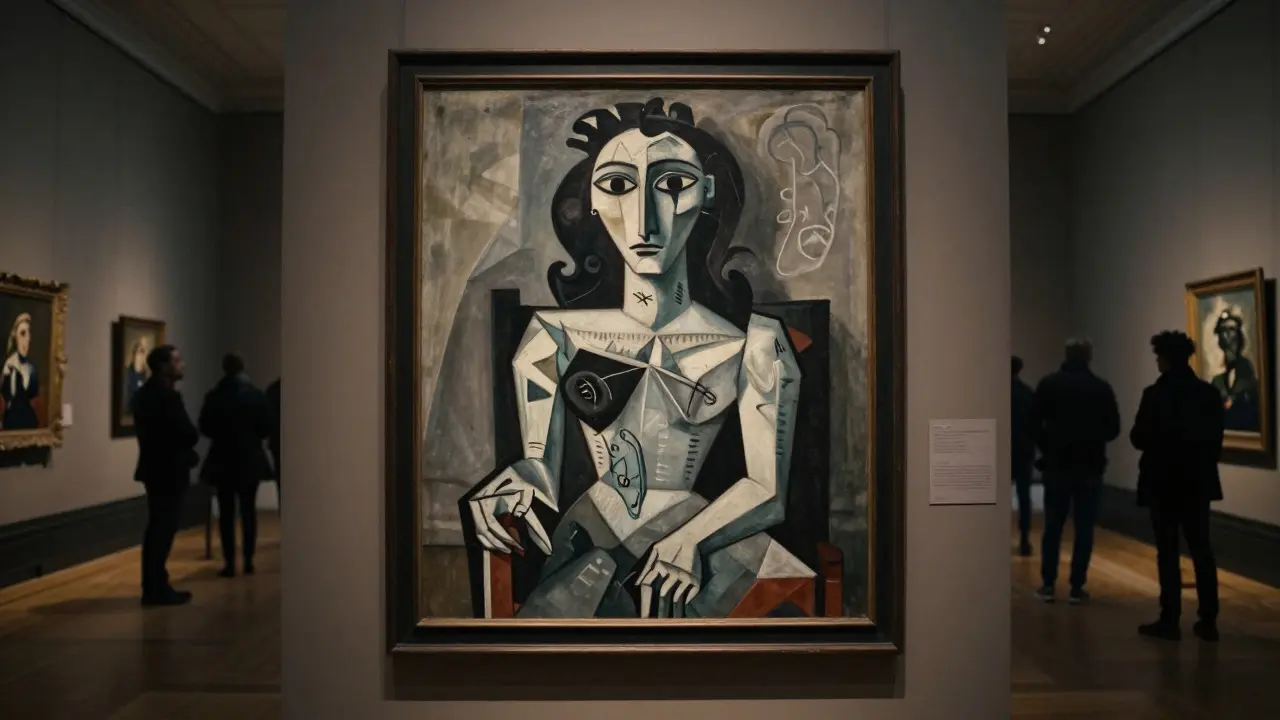
Walk into any major museum today-whether it’s the Museum of Modern Art in New York or the Tate Modern in London-and you will likely encounter a painting that looks raw, angular, and emotionally charged. You might see Pablo Picasso, the Spanish painter who revolutionized Western art with Cubism’s Les Demoiselles d'Avignon. The faces are distorted, wearing masks that seem to stare back at you with an intensity that feels ancient yet startlingly new. For decades, critics called this "genius." Today, we ask a harder question: where did those masks come from, and why does their origin matter?
This is the heart of Primitivism, an artistic movement in Western modernism that borrowed styles from non-Western cultures. It wasn’t just a trend; it was a seismic shift that broke away from centuries of European realism. But its legacy is complicated. While primitivism gave birth to some of the most famous artworks of the 20th century, it also relied on colonial power dynamics, treating entire cultures as aesthetic resources rather than living communities. Understanding how primitivism continues to shape the art world requires us to look beyond the canvas and examine the ethics of influence, the politics of display, and the ongoing conversation about who gets to define "art."
The Birth of a Movement: Breaking the Rules
To understand why primitivism matters, we have to go back to the early 1900s. At that time, European art was dominated by academic traditions. Artists were expected to paint realistic portraits, historical scenes, and idealized landscapes. The rules were strict, and innovation was often discouraged. Then came a group of artists who were tired of these constraints. They wanted something more authentic, more direct, and more powerful.
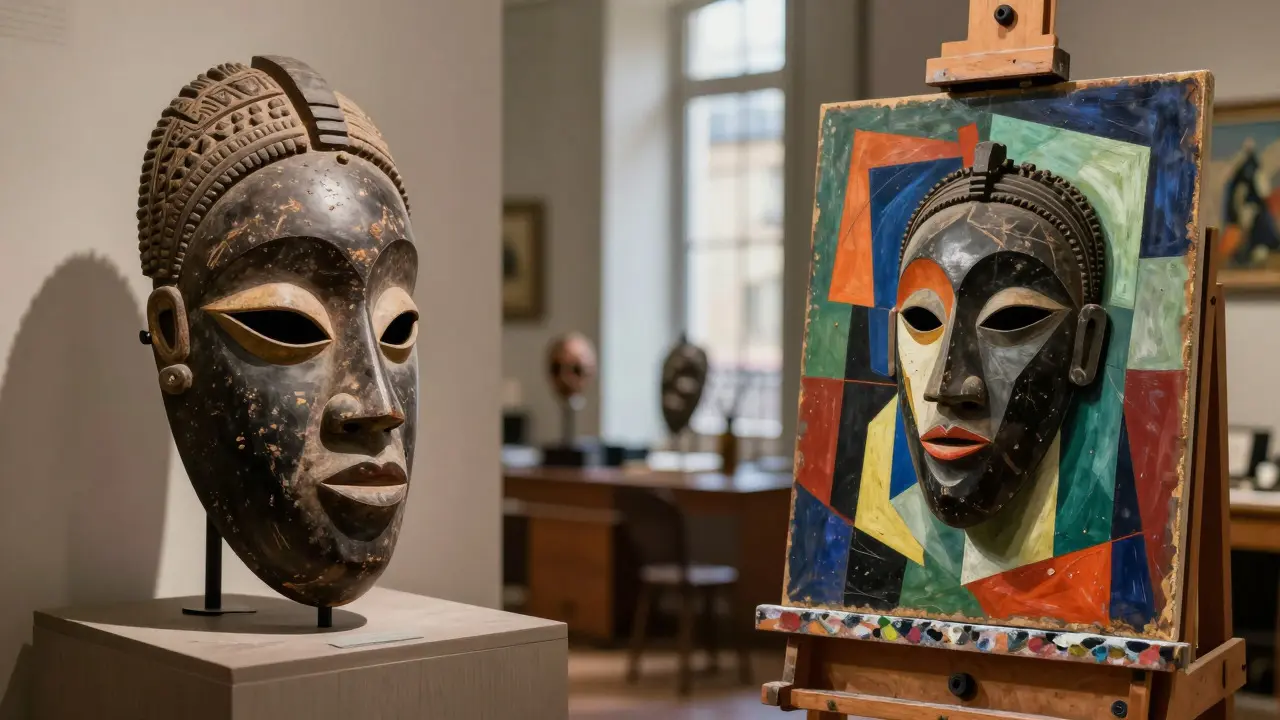
Pablo Picasso and Henri Matisse, a French artist known for his use of color and sculptural form were two of the key figures. In 1907, Picasso visited the Trocadéro Ethnography Museum in Paris. There, he saw artifacts from Africa and Oceania-masks, statues, and carvings that had been collected during the height of European colonial expansion. He was struck by their bold forms and expressive power. These objects didn’t try to mimic reality; they expressed emotion and spiritual meaning through abstraction.
Picasso took inspiration from these works and applied them to his own paintings. The result was Les Demoiselles d'Avignon, a painting that shocked viewers when it was first shown. The figures were not beautiful in the traditional sense. Their faces were jagged, their bodies fragmented. Critics called it ugly, barbaric, and offensive. But other artists saw something else: freedom. They saw a way to break free from the rigid rules of perspective and proportion.
| Artist | Nationality | Key Work Influenced by Primitivism | Source of Inspiration |
|---|---|---|---|
| Pablo Picasso | Spanish | Les Demoiselles d'Avignon (1907) | African masks (Trocadéro Museum) |
| Henri Matisse | French | Blue Nude (1907) | Oceanic sculptures |
| Amedeo Modigliani, an Italian painter known for elongated figures | Italian | Portrait series (1910s) | Ivory Coast and Dogon masks |
| Constantin Brâncuși, a Romanian sculptor who simplified forms to essentials | Romanian | Bird in Space (1923) | African and Cycladic art |
These artists weren’t alone. Others like Amedeo Modigliani and Constantin Brâncuși also drew from non-Western sources. Modigliani’s elongated faces and smooth surfaces echoed African sculpture. Brâncuși stripped his sculptures down to basic shapes, inspired by the simplicity of indigenous art. Together, they formed a movement that challenged the very definition of beauty and skill in art.
The Colonial Context: Power and Possession
But here’s the problem: these artists didn’t engage with the cultures that created the original works. They didn’t learn about the meanings behind the masks or the rituals associated with the sculptures. Instead, they treated these objects as raw material for their own creative experiments. This approach was made possible by colonialism. European powers had colonized much of Africa, Asia, and the Pacific, taking artifacts as trophies and curiosities. Museums filled with these items became places where Western artists could explore "exotic" styles without ever meeting the people who made them.
This dynamic raises serious ethical questions. When Picasso used an African mask in his painting, he wasn’t collaborating with an African artist. He was borrowing from a culture that had been subjugated by European empires. The mask was no longer part of a living tradition; it was a commodity in a European museum. By using it, Picasso reinforced the idea that non-Western cultures existed only to inspire Western genius.
Critics argue that this is a form of cultural appropriation. Appropriation happens when members of a dominant culture take elements from a marginalized culture without permission, context, or respect. In the case of primitivism, the appropriation was widespread and institutionalized. Museums displayed African and Oceanic artifacts alongside European masterpieces, but rarely acknowledged their origins or significance. Artists celebrated themselves as innovators while ignoring the contributions of the cultures they borrowed from.
Modern Reckoning: Who Owns the Narrative?
Fast forward to today. The art world has changed significantly since the early 20th century. We now live in a globalized society where conversations about race, identity, and representation are front and center. Institutions are under pressure to address past injustices. Repatriation movements demand that museums return stolen artifacts to their countries of origin. Scholars and activists challenge the narratives that have long dominated art history.
One major development is the rise of post-colonial theory. This framework examines how colonialism shaped knowledge production, including art. Post-colonial scholars argue that primitivism was not just an artistic style but a political act. It reflected the power imbalance between colonizer and colonized. By framing non-Western art as "primitive," Western artists justified their dominance. They claimed superiority while simultaneously depending on the creativity of others.
Museums are responding to these critiques. Some have begun removing labels that describe non-Western objects as "tribal" or "ethnographic." Others are working with source communities to reinterpret collections. For example, the British Museum has faced calls to return the Benin Bronzes to Nigeria. These debates highlight the tension between preservation and restitution. Should artifacts stay in Western museums for education, or should they be returned to their rightful owners?
Contemporary Echoes: Is Primitivism Dead?
You might wonder if primitivism still exists today. On the surface, it seems outdated. Few contemporary artists openly claim to be influenced by "primitive" cultures in the same way Picasso did. However, the underlying issues remain relevant. Cultural exchange is still uneven. Western galleries continue to privilege certain voices over others. And the line between appreciation and appropriation remains blurry.
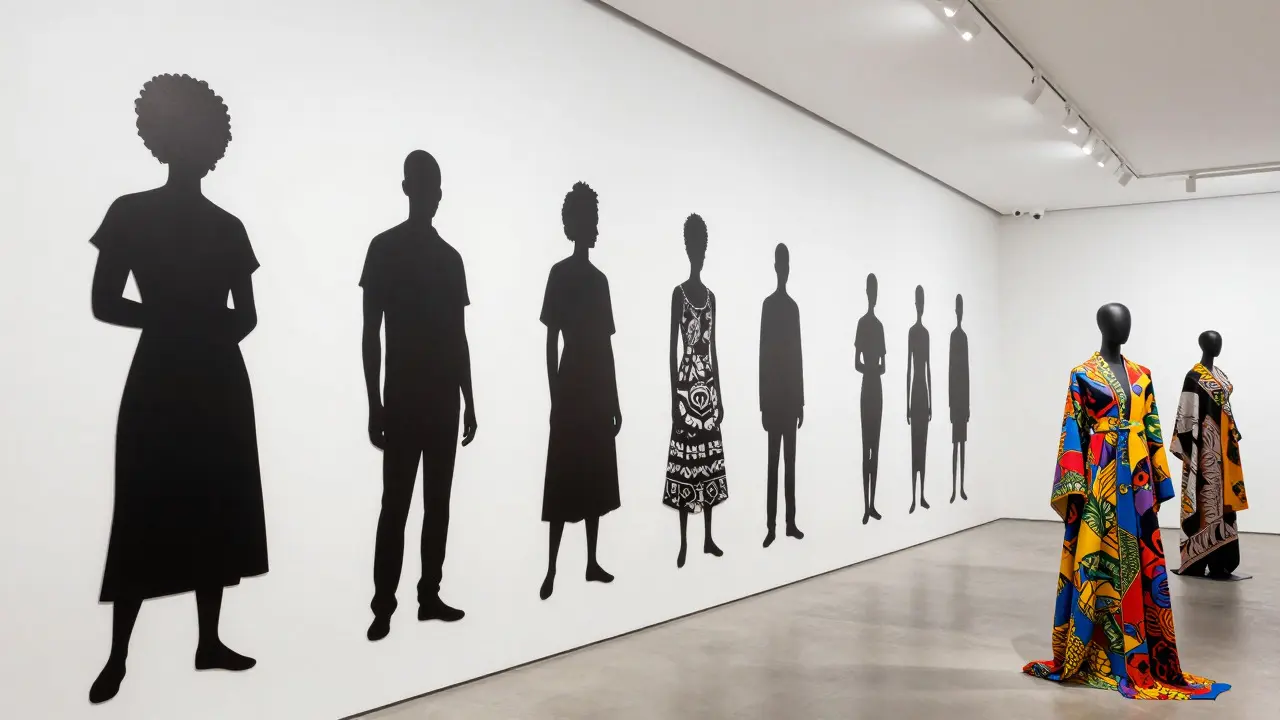
Consider the work of contemporary artists like Kara Walker, an American installation artist known for her silhouettes addressing slavery or Yinka Shonibare, a British-Nigerian artist exploring colonialism and identity. Both artists engage with themes of race, history, and power. Walker uses black silhouettes to confront the violence of slavery. Shonibare dresses mannequins in Dutch wax fabric, which is often mistaken for "African" print but actually originated in Europe. Their work challenges viewers to think critically about cultural identity and historical memory.
Unlike the modernists, these artists don’t borrow from distant cultures. They speak from within their own experiences. They reclaim narratives that were once silenced. In doing so, they offer a counterpoint to primitivism. Instead of extracting value from marginalized groups, they amplify those voices. This shift reflects a broader change in the art world toward inclusivity and accountability.
The Role of Education: Changing the Story
If we want to move beyond primitivism, we need to change how we teach art history. Traditional curricula often focus on Western masters, presenting them as isolated geniuses. Non-Western art is relegated to footnotes or separate sections labeled "Ethnography." This structure reinforces the idea that Western art is superior and universal, while other traditions are niche or exotic.
Educators are beginning to rethink this model. Some universities now integrate global perspectives into core courses. Students learn about African sculpture not as a curiosity, but as a sophisticated tradition with its own aesthetics and philosophies. They study Indigenous Australian dot painting alongside Impressionism, recognizing both as valid expressions of human experience.
This approach helps dismantle the hierarchy that primitivism established. It encourages students to see connections across cultures without reducing one to a resource for another. It fosters empathy and understanding. Most importantly, it prepares future artists and critics to navigate a diverse world with sensitivity and integrity.
Conclusion: Moving Forward with Respect
Primitivism played a crucial role in shaping modern art. It opened doors to new forms and ideas. But it also carried baggage-baggage that we can no longer ignore. As we reflect on its legacy, we must acknowledge both its achievements and its harms. We must recognize the artists who benefited from colonial exploitation and the cultures whose voices were erased.
The path forward isn’t about erasing the past. It’s about reinterpreting it. It’s about creating spaces where all artists can thrive on equal footing. It’s about building relationships based on mutual respect rather than extraction. If we do this right, the art world can become a place of true dialogue, not monologue.
What is primitivism in art?
Primitivism refers to the adoption of stylistic elements from non-Western cultures by Western artists, particularly during the early 20th century. Artists like Pablo Picasso and Henri Matisse drew inspiration from African masks and Oceanic sculptures to break away from traditional European realism.
Why is primitivism controversial?
Primitivism is controversial because it often involved cultural appropriation. Western artists borrowed from marginalized cultures without acknowledging their origins or contexts. This practice reinforced colonial power dynamics and treated non-Western art as mere inspiration rather than valuable traditions in their own right.
Did Picasso steal from African art?
While "steal" may be too strong a word, Picasso certainly appropriated elements from African art. He used motifs from African masks seen in Parisian museums to create his groundbreaking painting Les Demoiselles d'Avignon. However, he did not collaborate with African artists or credit their contributions directly.
How has the art world responded to primitivism today?
The art world is increasingly critical of primitivism. Museums are revising labels and repatriating artifacts. Educators are integrating global perspectives into curricula. Contemporary artists are challenging old narratives by centering marginalized voices and promoting cross-cultural dialogue based on respect.
Is primitivism still present in contemporary art?
Explicit primitivism is rare today, but its echoes remain. Issues of cultural appropriation and unequal representation persist. However, many contemporary artists actively resist these patterns by engaging authentically with diverse cultures and advocating for equity in the art world.