Art and Culture: Clear Guides on Visual Art, Movements, and Ideas
Welcome to the Art and Culture hub at Paul Artistry. If you want straightforward explanations, solid history, and useful tips — you’re in the right place. We cover major movements, artists who changed the game, and practical tips for seeing or making art. No fluff, just clear help to understand what matters in visual art today.
What you'll find here
Short, focused articles explain movements like Constructivism, Cubism, Expressionism, and Suprematism so you can spot their ideas in a gallery or a poster. Want modern context? We connect older styles to contemporary work — for example, how Constructivism influenced design and how Cubism opened the door to abstraction. You’ll also find pieces on immersive forms like installation art and kinetic art, and cultural moments such as the Harlem Renaissance that changed music, writing, and visual culture.
For technique and practice, check our photorealism guides. They break down steps and tools artists use to make paintings look photographic. If you prefer art outdoors, our land art and environmental art pieces show how artists shape landscapes and why those works matter for conservation and public access.
How to use these articles
Start with what interests you. If you want history, open the Harlem Renaissance or Art Nouveau posts. If you want to learn technique, read the photorealism and installation art guides. Each article includes clear takeaways: key features to look for, notable artists to explore, and one or two practical tips you can try at home or use when visiting a museum.
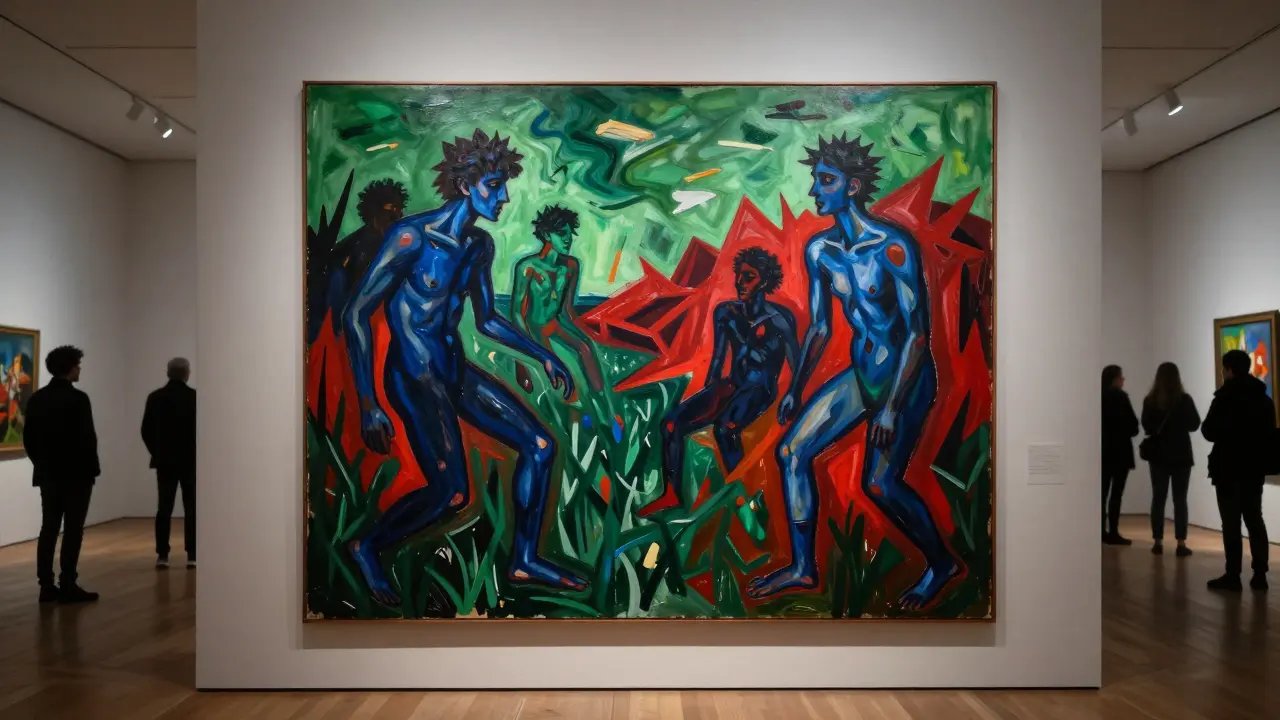
If a movement feels abstract, focus on visual clues. For example, Cubism breaks objects into shapes; Expressionism uses color and distortion to show feeling; Fluxus mixes performance and everyday objects to question what art can be. Spotting one clear trait will help you recognize similar works instantly.
Want to go deeper? Use our posts as starting points. Each piece links to artists and famous works so you can follow threads — like tracing how photorealism led to hyperrealism, or how land art challenges gallery norms. We keep recommendations practical: which museums, which artists to search for online, and which books or short essays give quick context.
Art is easier to enjoy when you know a few key ideas. This category brings those ideas together, from classicism’s lasting shapes to the digital echoes of Pop Art. Read one article, learn one idea, and your next gallery visit will feel richer and more confident.
Explore the articles, try a technique, or use a quick spotting tip next time you see a painting. If you have a topic you want explained simply, tell us — we write with real people in mind, not academic jargon.