Art and Design: Practical ideas from Bauhaus to Street Art
Which art idea actually changed how we live, work, and move through cities? Spoiler: movements like Bauhaus and Land Art did. This category pulls clear, usable lessons from big art movements and street-level projects so you can learn fast and try things at home, in a studio, or around your neighborhood.
Here you’ll find short history, sharp examples, and quick tips. Want to redesign a room? Use Bauhaus rules for simple form and function. Curious about community impact? Read about street art projects that turned empty lots into meeting places. Want an outdoor weekend project? Land art ideas show how to use natural materials and space without heavy tools.
Pick a path: movements, places, practice
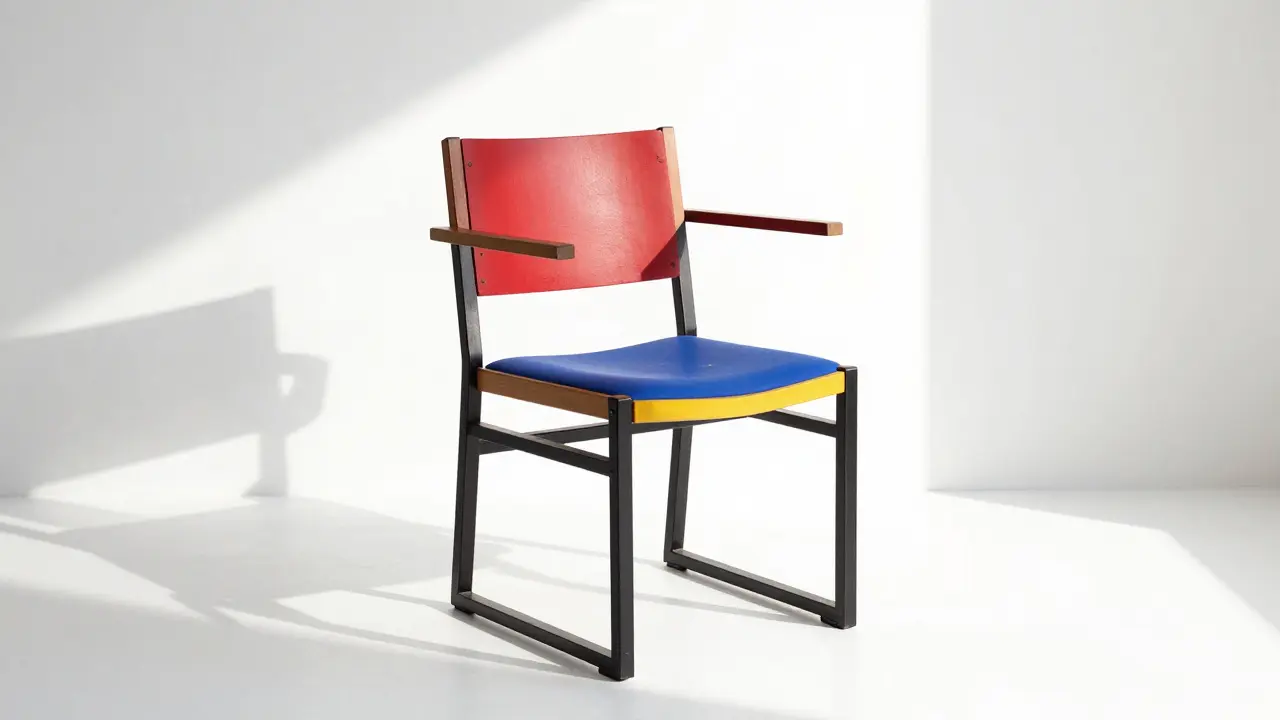
Bauhaus: focus on function first. Look for furniture with clean lines, reduce clutter, and choose pieces that do more than look good. Try swapping a fussy table for a simple tubular-leg design to see how space opens up.
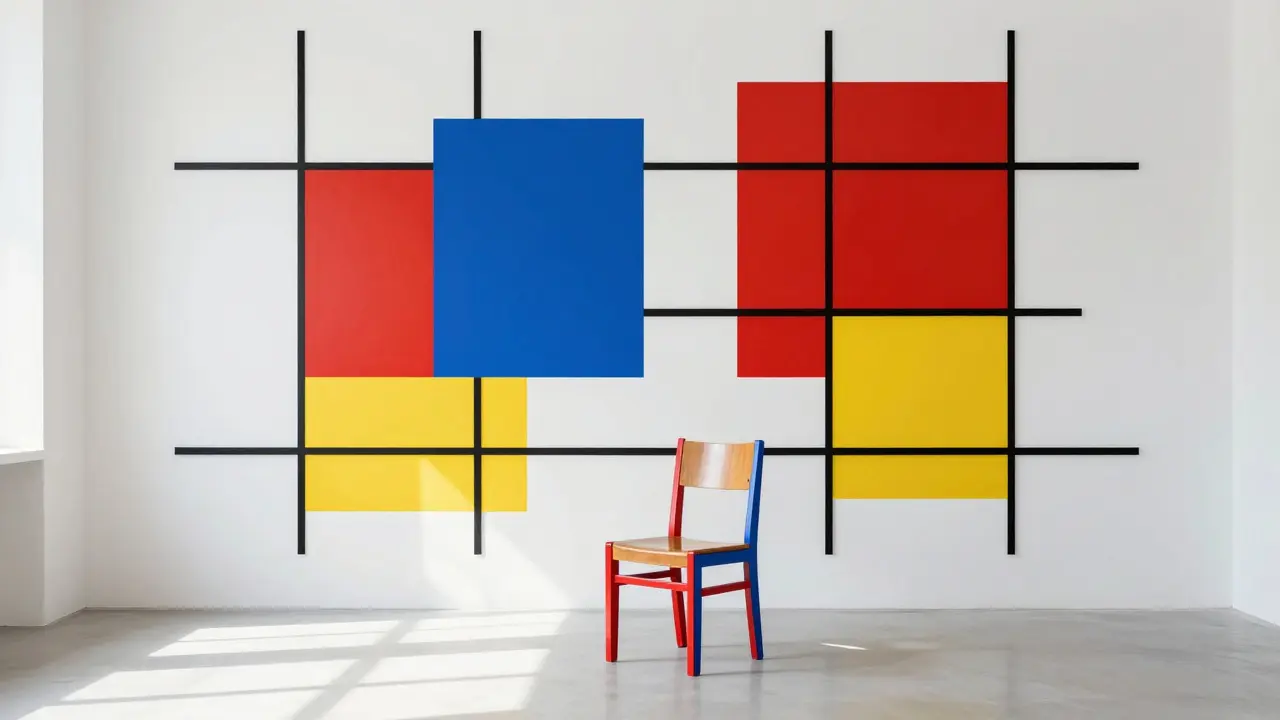
De Stijl: grid-based composition and primary colors make striking visual systems. Use its rules to design a poster, a logo, or a web layout—limit colors, align elements to a grid, and the result feels balanced and bold.
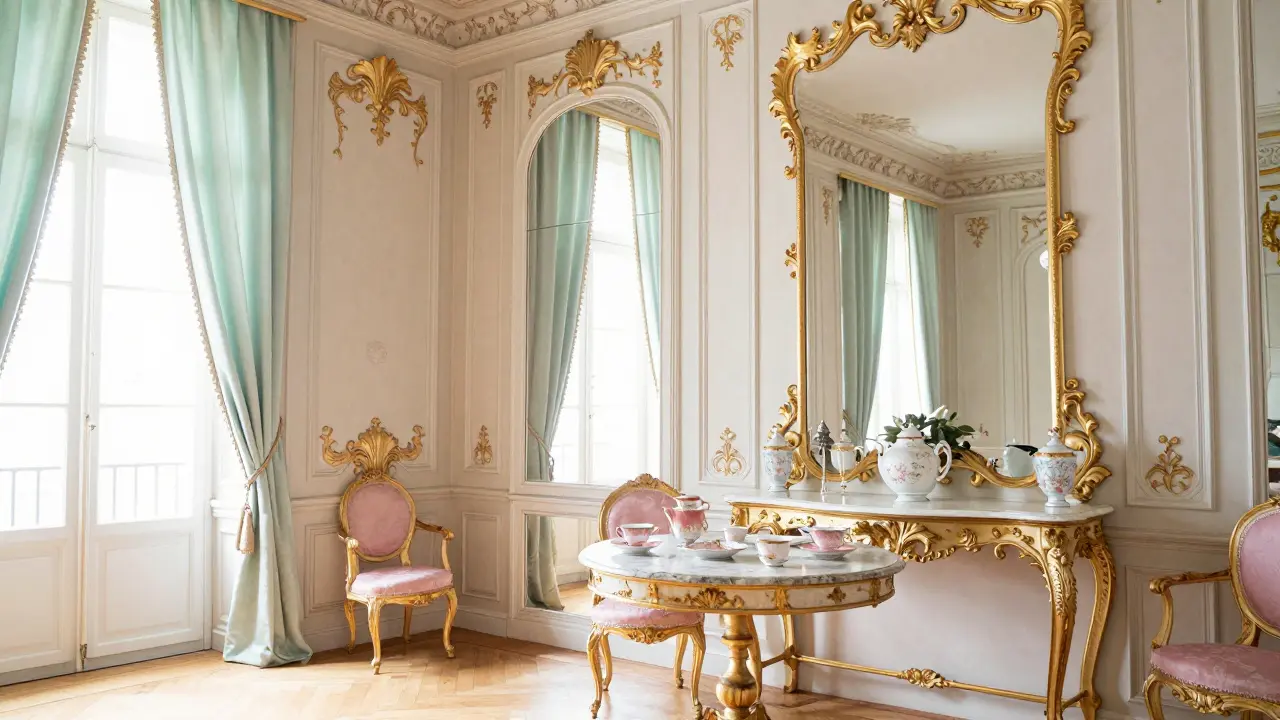
Art Nouveau: organic lines and nature-inspired detail. Apply these to small touches—curved handles, patterned tiles, or botanical motifs in wallpaper—to add warmth without overdoing it.
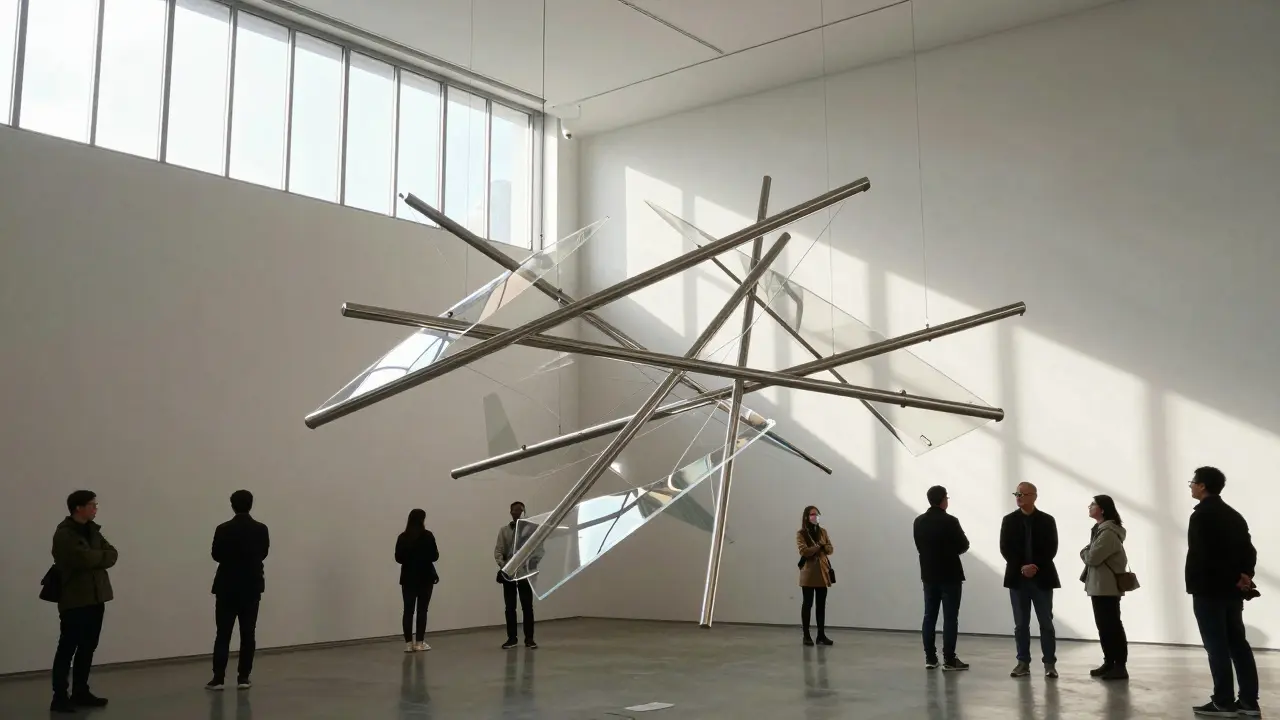
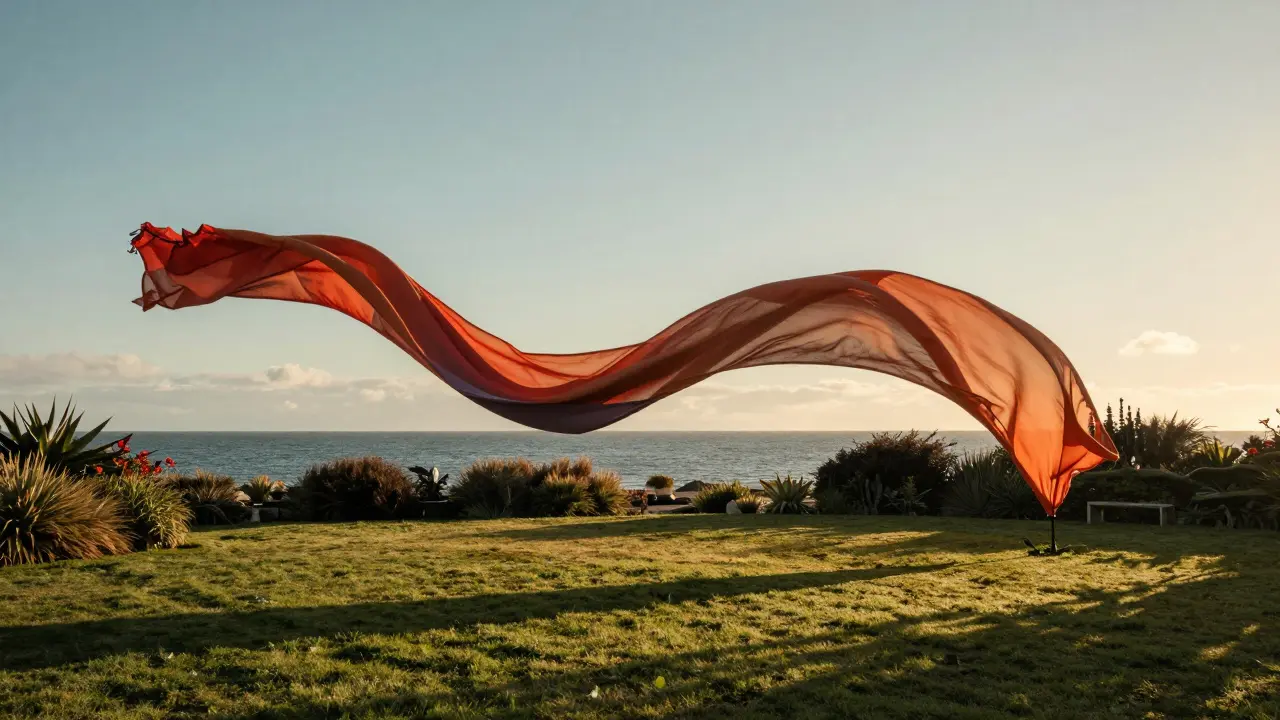
Land Art: site-specific, low-impact interventions. Think mounded earth, stone circles, or seasonal plantings. A simple weekend project: arrange stones by size along a shoreline or plant a native-flower swath to change how a path reads.
Street Art: murals and graffiti that build identity. If you want to start, begin by talking to neighbors and mapping a safe, legal wall. Plan painted sections, test palettes, and involve local groups for both permission and pride.
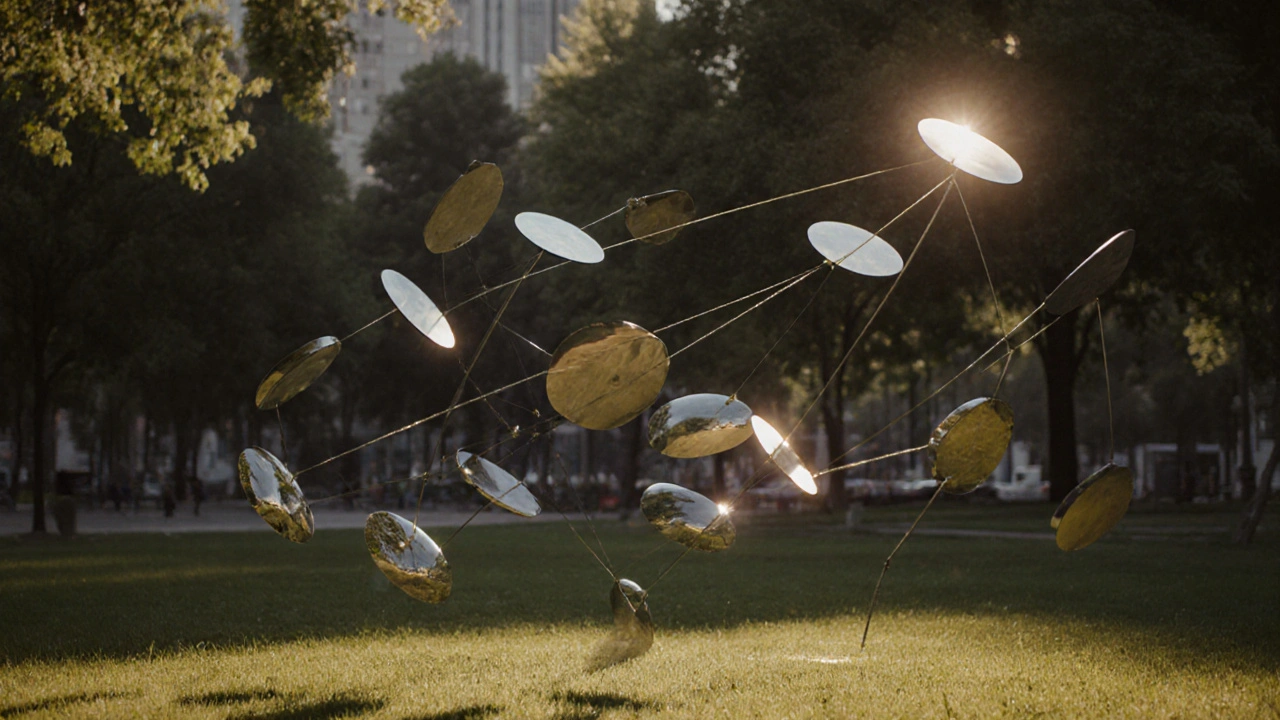
Futurism & Smart Cities: design that uses tech to improve daily life. Read the pieces here to see how sensors, light, and movement data shape safer, greener public spaces—and which ideas are realistic now versus speculative.
How to use these posts right now
Start with one short read: pick a post like "Best Starting Points in Modern Art for Beginners" or a focused how-to like "Mastering Photorealism." Take one concrete tip—apply a Bauhaus layout to a room, sketch a De Stijl poster, plan a small land-art arrangement—and do it within a weekend.
If you’re a maker, follow step-by-step articles for techniques. If you’re a planner or community organizer, use the street art and land art posts as case studies to propose low-cost, high-impact projects. If you design digital products, adopt visual rules from De Stijl and Bauhaus to simplify interfaces.
Bookmark pieces that match a current project and come back when you need quick examples or local case studies. Each post is short, practical, and meant to be used—not just admired. Ready to pick a movement and try one idea today?