Contemporary Art: What to See and How to Look
Contemporary art can feel messy, loud, or surprising — and that's the point. If you want to get more from a gallery visit or read smartly about art online, start by learning what kinds of work show up under the label "contemporary." That makes viewing less random and more useful.
Quick Guide: What to Look For
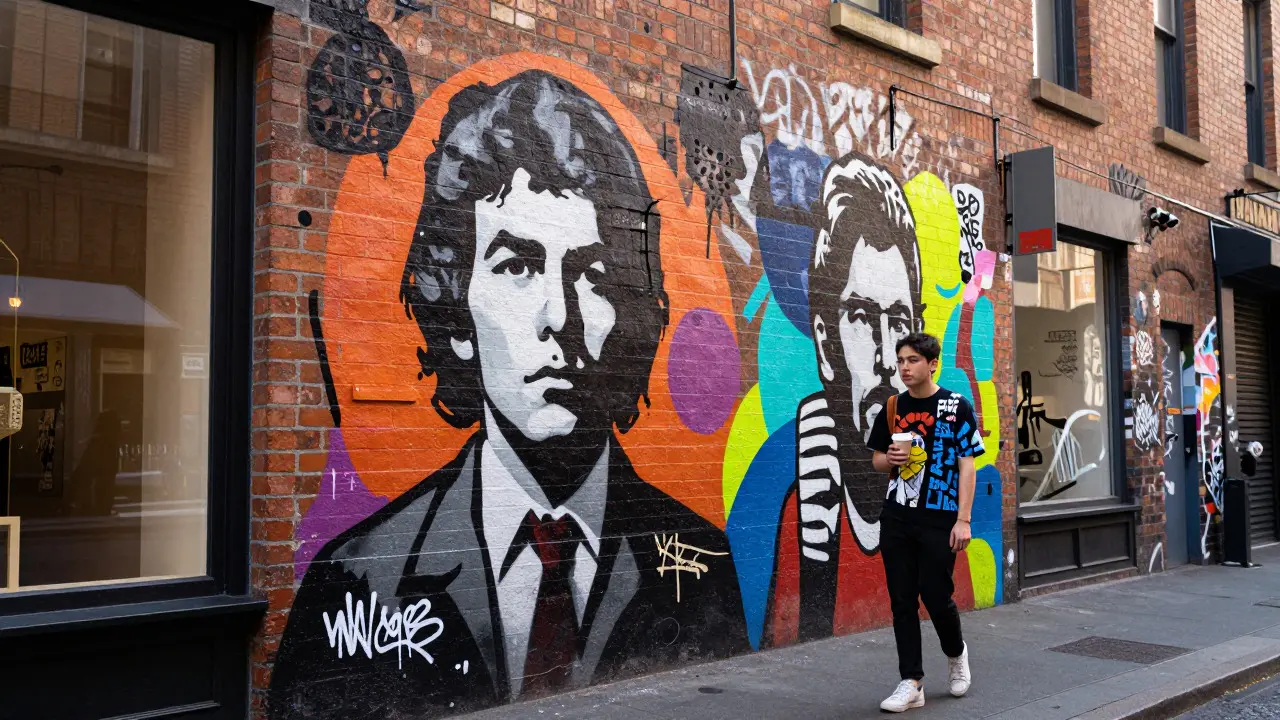
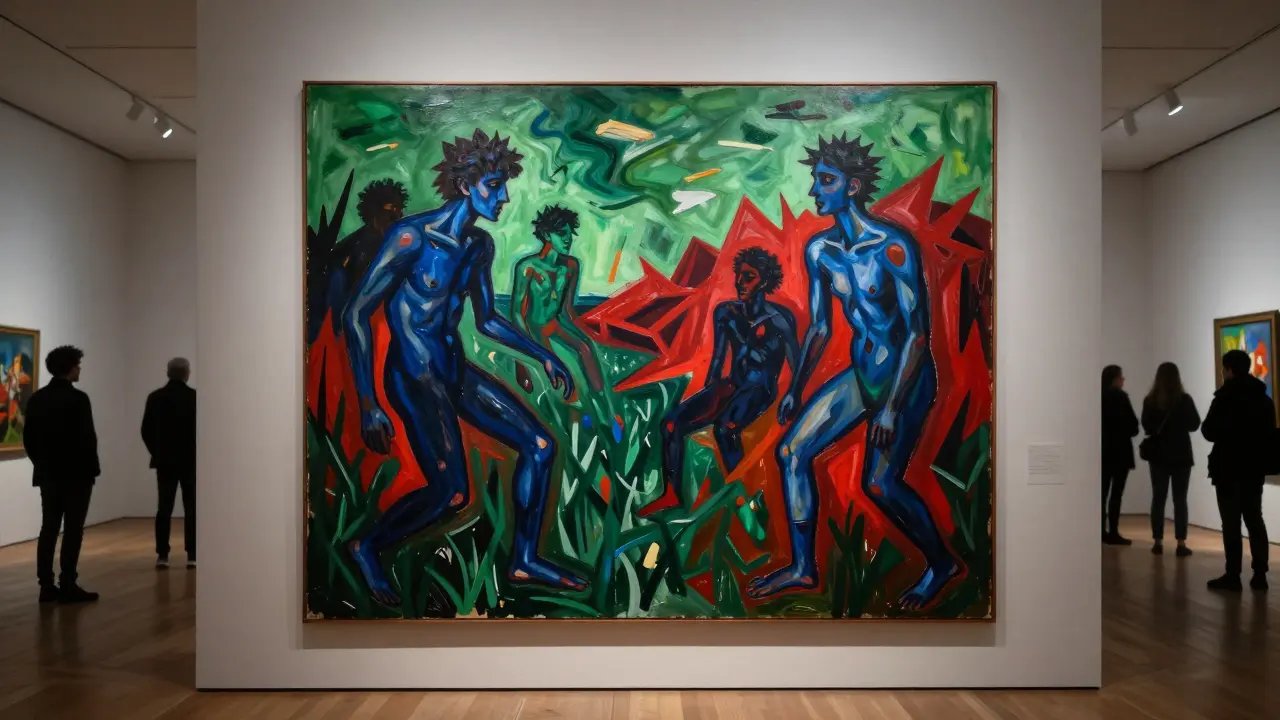
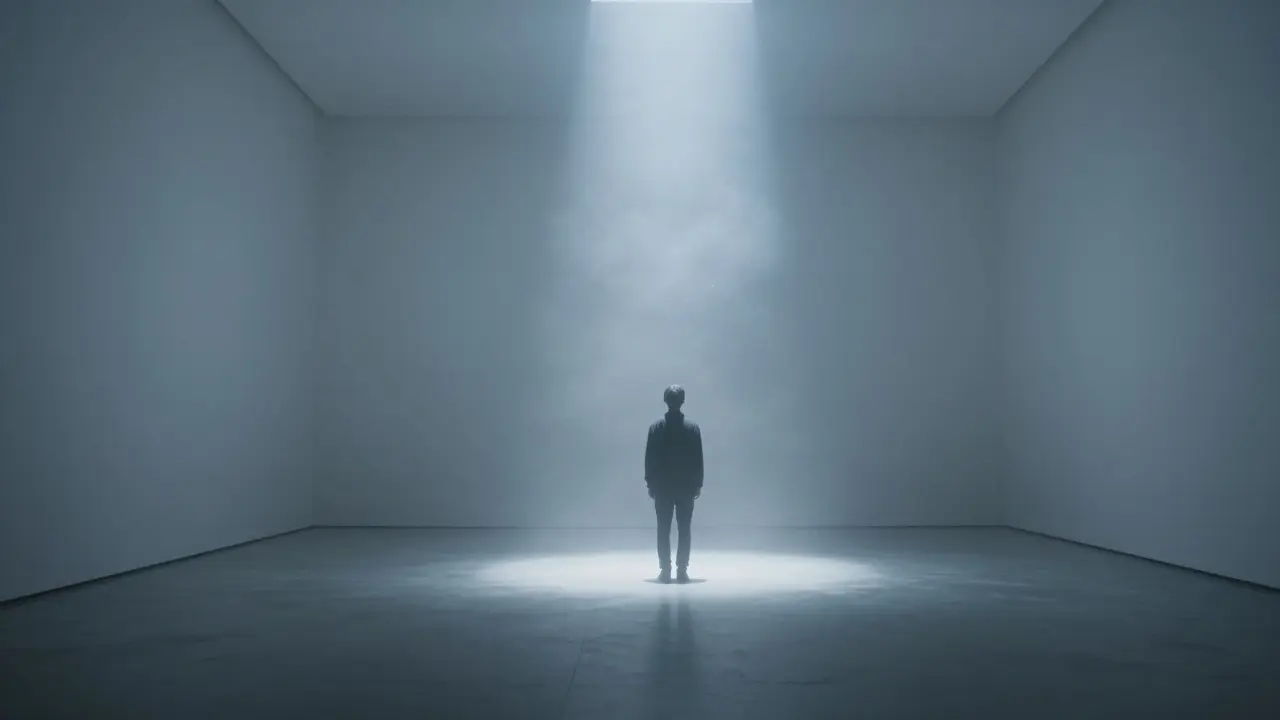
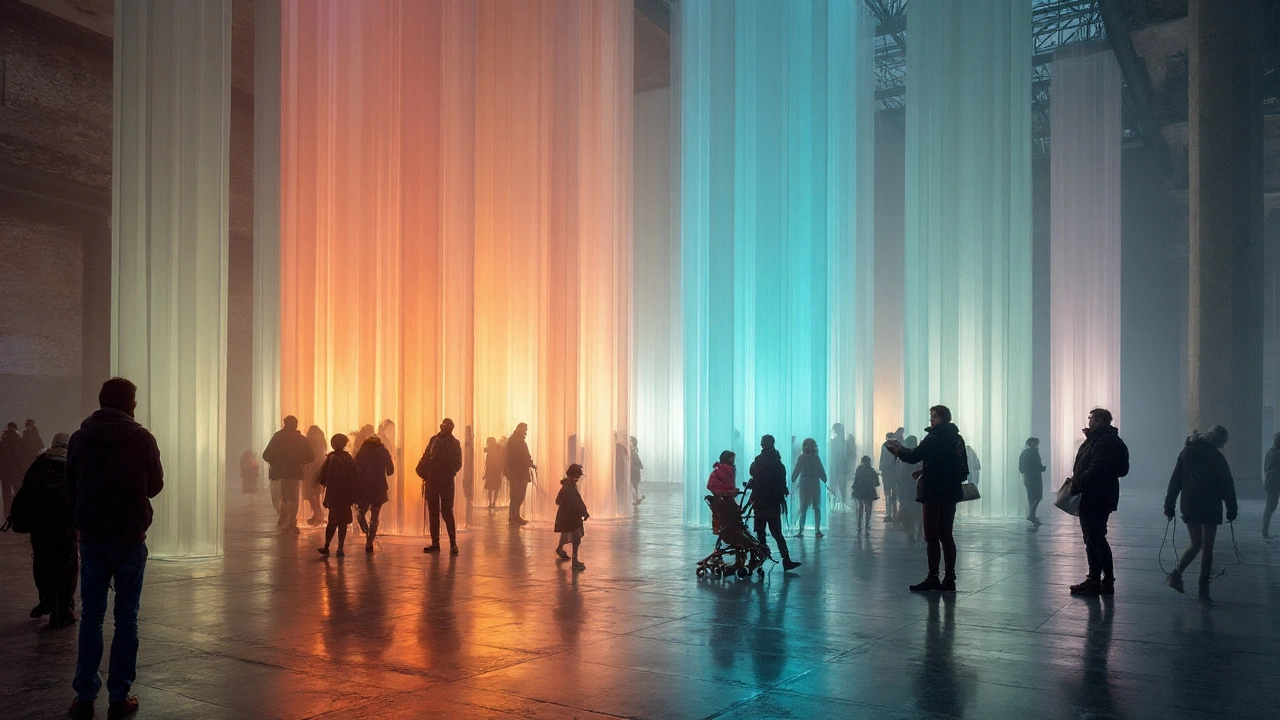
First, notice how the work makes you feel. Contemporary pieces often trade polished beauty for emotion, idea, or experience. Is it trying to shock you, to make you pause, or to pull you inside with ultra-real detail like photorealism? If an artwork uses scale, space, or sound, it might be installation art. If it’s all about raw gesture and color, think abstract expressionism. If shapes and grids dominate, you’re seeing Bauhaus or De Stijl echoes.
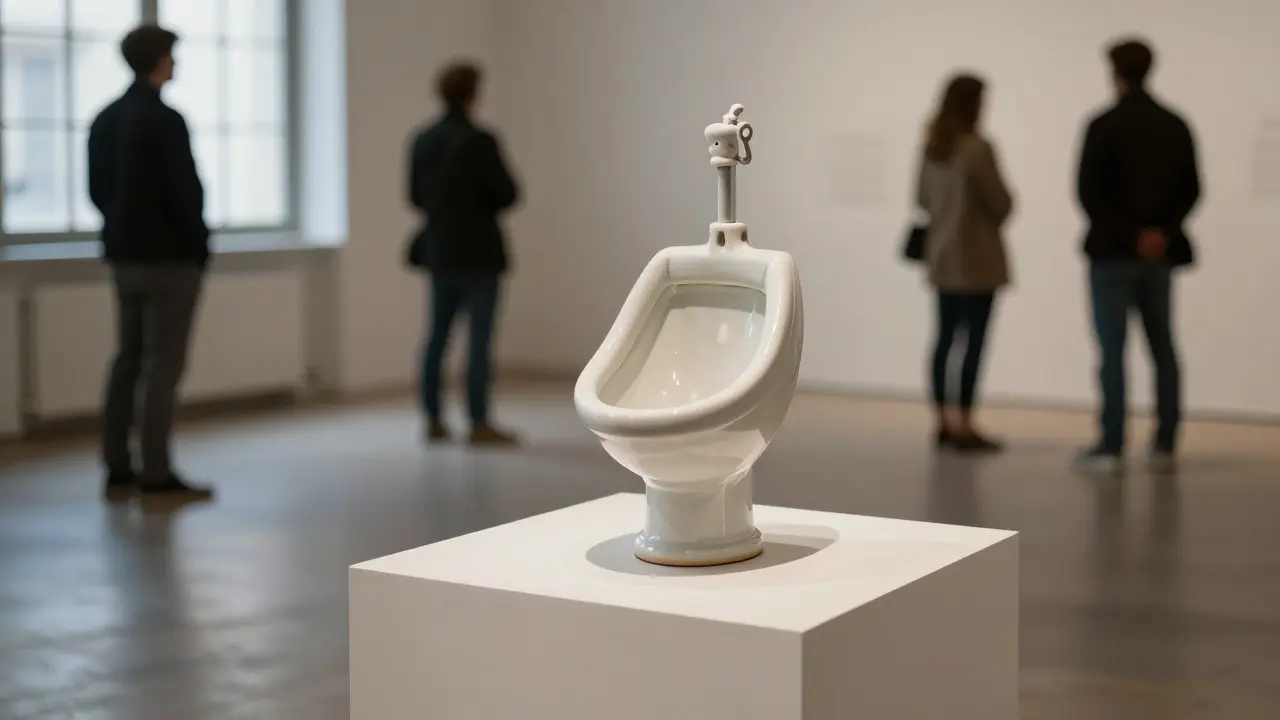
Second, check the materials. Contemporary artists use paint, video, found objects, digital media, or whole rooms. The material often is part of the message — a sculpture made from reclaimed wood says something different than a neon sign or a VR piece. Ask: why this material? What does it add?
Third, look for context. Short labels, artist statements, or even a quick search reveal whether a piece reacts to politics, tech, city life, or personal history. For example, land art ideas now show up in urban parks and smart-city planning. Knowing the backstory helps the work land.
Where to Start on Paul Artistry
On this site, you’ll find focused reads that make contemporary art easier to follow. Want technique and detail? Read the photorealism guides and artist lists to see how artists create near-photo detail. Curious about the bigger movements? Check pieces on Abstract Expressionism, Fluxus, and Constructivism to watch how ideas traveled from studios into design and culture.
If you prefer hands-on tips, browse articles on avant-garde home décor and Bauhaus design — they translate art ideas into everyday choices. For immersive thinking, the installation art posts explain how scale, sound, and placement change what you feel. There are also reads connecting older movements, like the Harlem Renaissance or Baroque, to modern practice so you can follow the thread across time.
Want a quick plan for a gallery visit? Pick one theme beforehand (tech, color, politics), spend five to seven minutes with each work, read the label, and then step back. If a piece still hooks you, look up the artist or the exhibition text later. That small routine builds real taste without pressure.
Finally, use the site’s tags and related articles to jump between close topics — from photorealism techniques to how futurism shapes gaming. That mix helps you see how contemporary art connects to design, city life, and daily style. Keep asking simple questions: what is this doing, how, and why? Those three will keep you curious and confident.