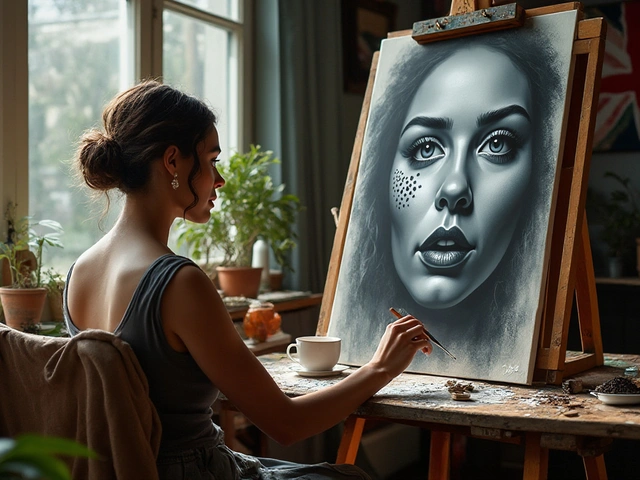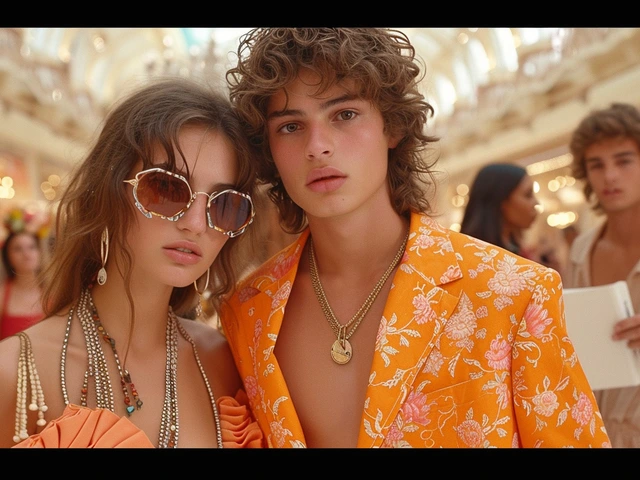
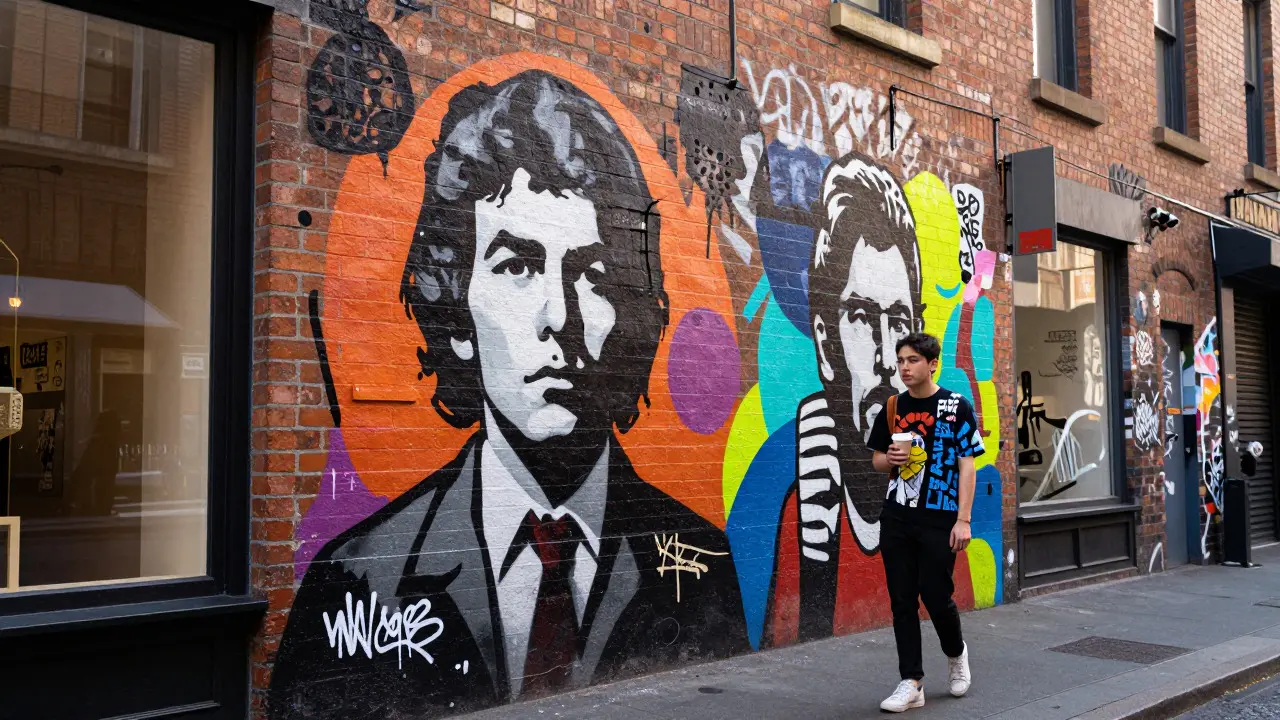
You walk into a coffee shop in Melbourne’s laneways. The walls aren’t just painted; they’re curated experiences. You scroll through Instagram, and the aesthetic of your feed feels less like random photos and more like a gallery exhibition. This isn’t an accident. It is the direct result of Contemporary Art bleeding into our daily lives. We often think of high art as something distant, locked away in white-walled museums with velvet ropes. But today, that barrier has shattered. Contemporary art doesn’t just reflect society; it actively scripts how we dress, what we buy, and how we communicate.
The Blurring Line Between Gallery and Street
Think about the last time you saw a mural that stopped you in your tracks. Maybe it was Banksy’s political satire or Shepard Fairey’s iconic "Obey" posters. These works started on concrete, not canvas. Street Art is arguably the most visible bridge between contemporary fine art and mass media. Historically, graffiti was dismissed as vandalism. Now, it is a billion-dollar industry and a staple of urban fashion brands like Supreme and Off-White.
This shift changed who gets to be an artist. You don’t need a degree from the Royal College of Art anymore. You need visibility. Social media platforms became the new galleries. Artists like KAWS turned vinyl toys into global collectibles, selling out in minutes. This phenomenon proves that when contemporary art becomes accessible, it stops being exclusive. It becomes merchandise. It becomes identity. When you wear a shirt featuring a Basquiat print, you aren’t just covering your torso; you are signaling taste, awareness, and economic status.
Digital Aesthetics and the NFT Boom
If street art broke down physical barriers, Digital Art broke down ownership barriers. Remember the chaos of 2021? Beeple sold a digital collage for $69 million at Christie’s. Most people were confused. How can you own a JPEG? The answer lies in blockchain technology, specifically Non-Fungible Tokens (NFTs). While the market cooled off, the cultural impact remains massive.
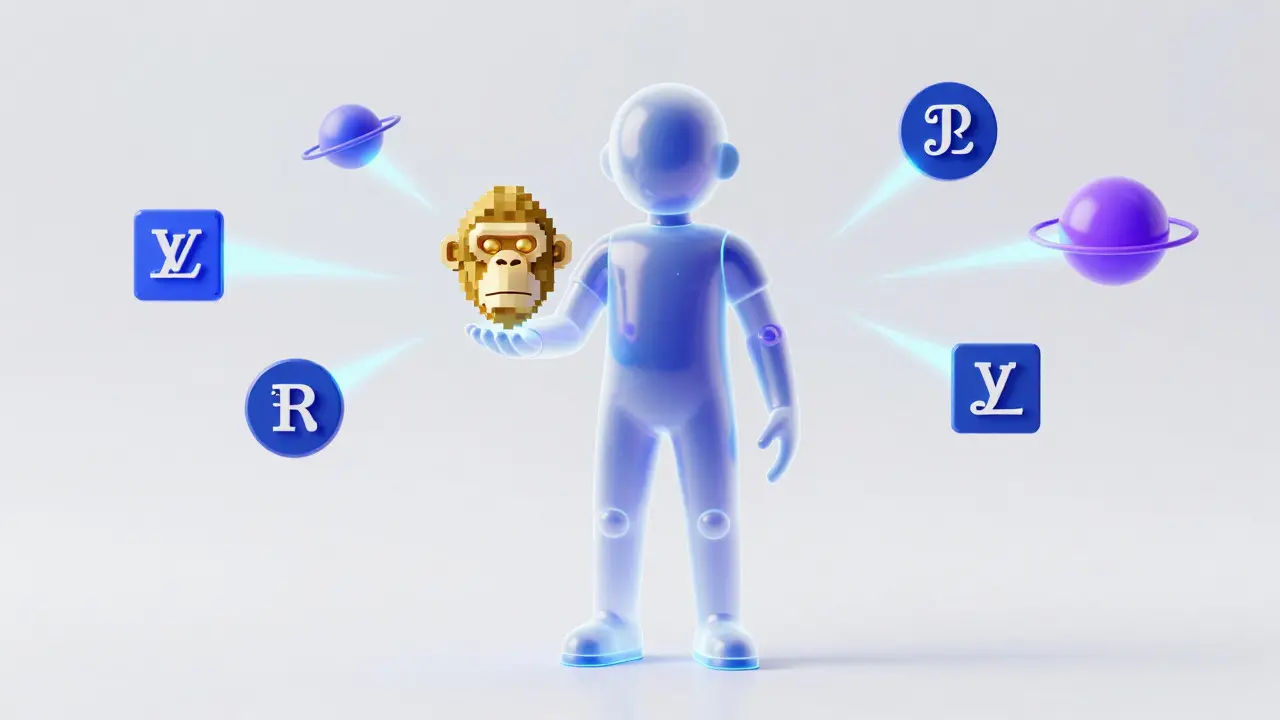
NFTs taught us that value is subjective and community-driven. They influenced pop culture by introducing the concept of "digital scarcity." Suddenly, profile pictures weren’t just selfies; they were Bored Apes or CryptoPunks. This wasn’t just speculation; it was a new form of social currency. Brands caught on fast. Nike bought RTFKT, a studio specializing in virtual sneakers. Gucci launched its own NFT collection. The lesson? Contemporary art now dictates the rules of the metaverse. If you want to understand why your favorite brand is launching a virtual world, look no further than the digital art movement.
Fashion as Wearable Sculpture
Fashion designers have always borrowed from art, but the relationship has become symbiotic. Virgil Abloh, before his passing, explicitly stated that his work with Louis Vuitton Men’s was about bridging streetwear and high art. He didn’t just design clothes; he designed cultural moments.
Consider the rise of "art collabs." It’s standard practice now. Uniqlo prints Warhol on t-shirts. H&M partners with emerging artists. This democratizes art consumption. You might never visit the Tate Modern, but you likely own a piece of contemporary design. This accessibility changes how we perceive value. We start to appreciate the process behind the creation. We notice color palettes in ads because they mimic Rothko’s fields of color. We understand irony in memes because we recognize the lineage of Duchamp’s readymades. Fashion is no longer just utility; it is a moving gallery.
Memes: The New Folk Art
Some critics scoff at memes, calling them low-brow distractions. But sociologically, memes function exactly like folk art did centuries ago. They are shared, mutated, and created by the collective consciousness. Internet Memes are contemporary art in its purest, most democratic form. They remix existing images, add text, and spread virally, much like Dadaists cut up newspapers in the 1920s.
Why does this matter? Because memes shape public opinion faster than traditional news. They simplify complex political ideas into digestible visuals. When a meme goes viral, it enters the lexicon. Politicians use them. Corporations try (and often fail) to use them. This feedback loop accelerates cultural change. What starts as a joke on Twitter can become a mainstream catchphrase within hours. Contemporary art has always sought to challenge norms. Memes do this instantly, globally, and without permission.
The Commercialization of Authenticity
There is a tension here. As contemporary art influences pop culture, it risks becoming diluted. When everything is content, nothing stands out. This leads to "aesthetic fatigue." We see the same pastel colors, the same brutalist architecture, the same minimalism everywhere. Why? Because algorithms reward familiarity.
However, this saturation forces artists to innovate faster. They must find new ways to shock, engage, or comfort us. This pressure cooker environment produces unique hybrids. We see immersive installations like teamLab blending tech and nature. We see performance art going live on Twitch. The commercial engine of pop culture demands novelty, and contemporary art supplies it. It’s a cycle: art inspires trends, trends saturate the market, and artists respond with something radically different.
| Art Movement | Key Characteristics | Pop Culture Manifestation | Notable Example |
|---|---|---|---|
| Street Art | Public space, anonymity, rebellion | Urban fashion, sneaker culture | Banksy x Target Collab |
| Digital Art/NFTs | Blockchain, scarcity, virtual ownership | Metaverse avatars, crypto branding | Beeple's $69M Sale |
| Pop Art | Mass media, consumerism, bright colors | Advertising aesthetics, packaging design | Andy Warhol Soup Cans |
| Conceptual Art | Idea over object, irony, context | Viral marketing, meme culture | Duchamp's Fountain |
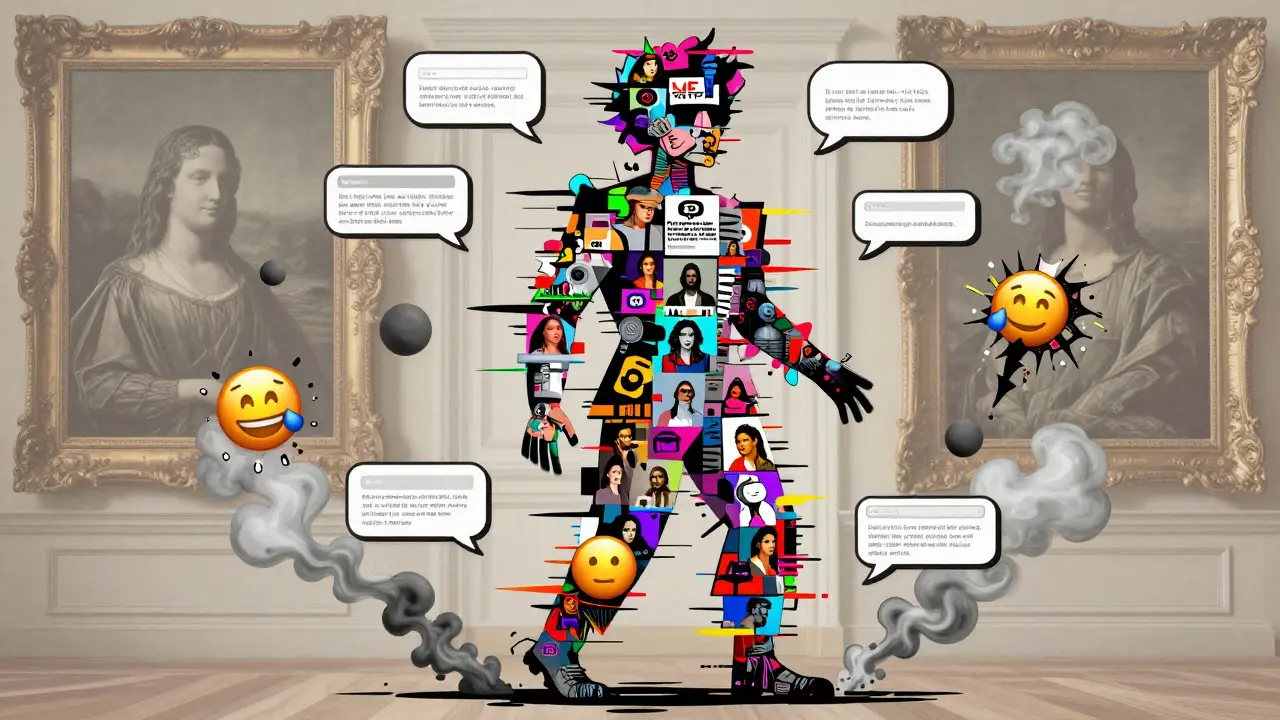
Why This Matters to You
You might ask, "So what? I’m not an artist." But you are a consumer of culture. Your preferences are shaped by these artistic currents. Understanding the source helps you navigate the noise. When you see a brand using ironic humor, you know it’s borrowing from Conceptual Art. When you crave a minimalist home, you’re responding to Bauhaus principles revived by contemporary interior designers.
This awareness gives you agency. You stop passively consuming trends and start recognizing their roots. You can appreciate the skill behind a viral video or the critique embedded in a street mural. It enriches your experience of the world. Art isn’t just decoration; it’s the operating system of modern culture.
Frequently Asked Questions
What defines contemporary art?
Contemporary art generally refers to art produced from the second half of the 20th century to the present day. It is characterized by a lack of a single unifying style, focusing instead on conceptual ideas, social commentary, and the use of diverse materials and technologies.
How has social media changed the art world?
Social media has democratized art distribution. Platforms like Instagram allow artists to bypass traditional gatekeepers like galleries and agents. This has led to the rise of "Instagrammable" art, where visual appeal drives engagement, and has accelerated the speed at which artistic trends reach mainstream audiences.
Are NFTs still relevant to pop culture?
While the speculative bubble of NFTs has burst, their cultural relevance persists. They introduced the concept of digital ownership and community-based value systems. Major brands continue to explore Web3 strategies, and the aesthetic language of digital art remains influential in gaming and virtual environments.
Why is street art considered high art now?
Street art gained legitimacy through institutional acceptance, such as museum exhibitions and auction house sales. Artists like Banksy and Keith Haring demonstrated that public intervention could carry significant political and aesthetic weight, blurring the line between vandalism and celebrated expression.
How does contemporary art influence advertising?
Advertising borrows heavily from contemporary art techniques, including surrealism, minimalism, and appropriation. Brands use artistic credibility to elevate their products, transforming mundane items into lifestyle symbols. This cross-pollination makes ads feel less like interruptions and more like cultural content.