Conceptual art isn't about what you see-it's about what you think. A blank wall, a pile of bricks, even a photograph of a thought can be art if the idea behind it is strong enough. This might sound confusing at first, but that's exactly why conceptual art is so fascinating. For beginners, understanding this movement means shifting your focus from beauty to meaning.
What Is Conceptual Art?
What is conceptual art? It's a movement where the idea behind the artwork takes precedence over the physical object or aesthetic. Unlike traditional art forms like painting or sculpture, conceptual art focuses on the concept itself. The physical manifestation might be simple or even nonexistent-what matters is the thought process and the message.
The Origins of Conceptual Art
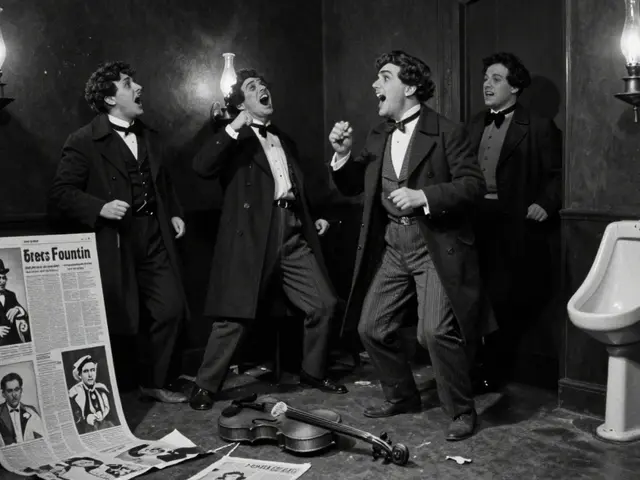
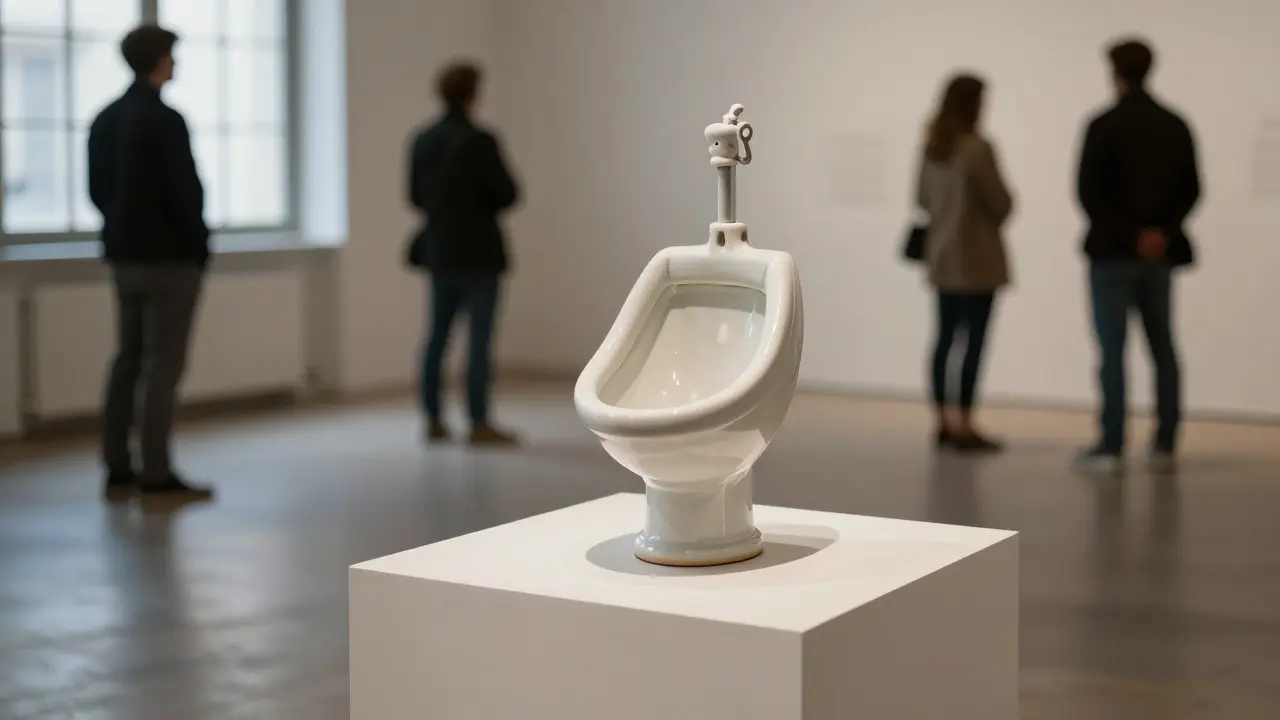
Conceptual art's roots trace back to the early 20th century, but it truly took shape in the 1960s. Before that, Marcel DuchampA pioneering artist whose readymades like 'Fountain' (1917) laid the groundwork for conceptual art. His 1917 piece 'Fountain'-a standard urinal signed 'R. Mutt'-shook the art world. By presenting a mass-produced object as art, Duchamp challenged the idea that art needed skill or beauty. This radical approach became the foundation for conceptual art.
Key Characteristics of Conceptual Art
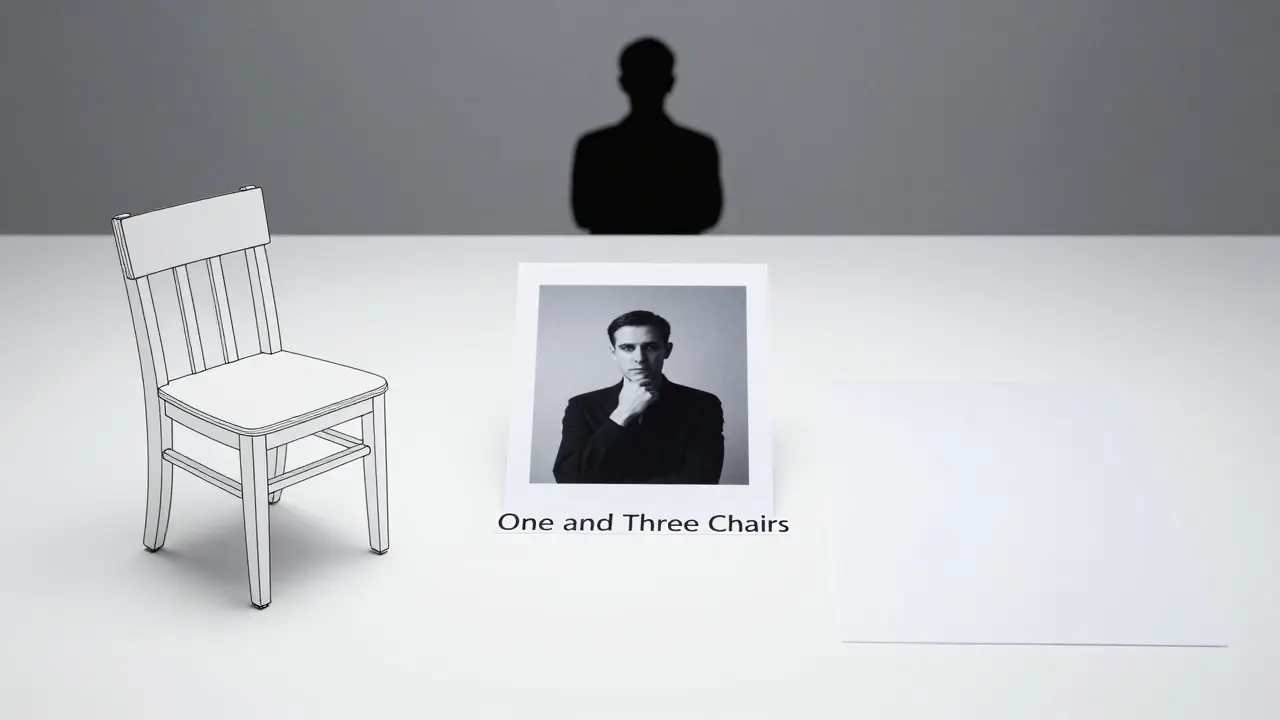
Conceptual art is defined by several core traits. First, the idea is more important than the physical form. For example, Sol LeWitt's wall drawings are created by others following his instructions. The artwork exists in the concept, not the execution. Second, language often plays a central role-text-based works like Joseph Kosuth's 'One and Three Chairs' use words to question reality. Third, many pieces require audience participation. Yoko Ono's 'Instruction Paintings' ask viewers to imagine scenarios like 'Imagine the clouds dripping. Dig a hole in your garden to put them in.' The art happens in your mind.
Famous Examples of Conceptual Art
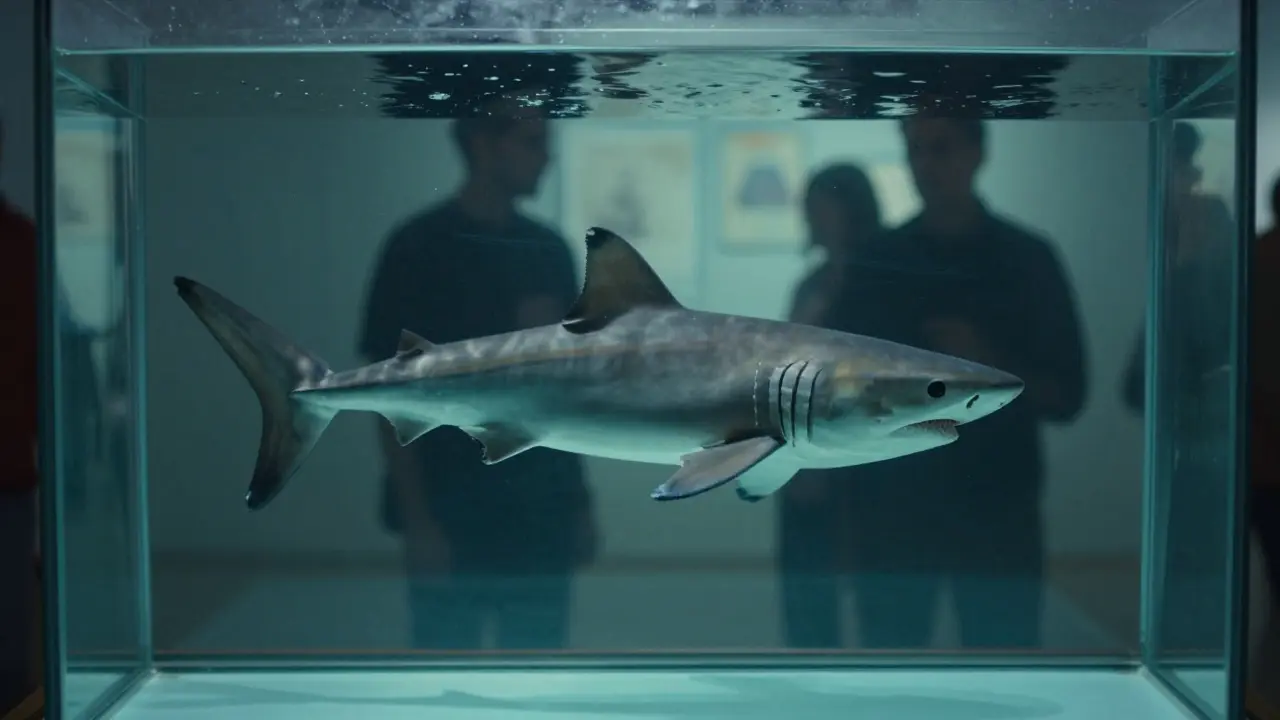
Let's look at some landmark pieces. Marcel Duchamp's 'Fountain' (1917) is the quintessential example. A urinal signed 'R. Mutt' forced people to ask: 'What makes something art?' Joseph Kosuth's 'One and Three Chairs' (1965) shows a physical chair, a photo of it, and a dictionary definition. This work questions the nature of representation. Yoko Ono's 'Cut Piece' (1964) had audience members cut pieces of her clothing, turning vulnerability into art. More recently, Damien Hirst's 'The Physical Impossibility of Death in the Mind of Someone Living' (1992)-a shark in formaldehyde-explores mortality. Each piece prioritizes the idea over the object.
Common Misconceptions About Conceptual Art
Many people dismiss conceptual art as 'not real art' because it's not pretty or hard to make. But this misses the point. Conceptual art is about challenging norms. Take Kosuth's 'Art as Idea as Idea' (1969), which is just the words 'Art as Idea as Idea' printed on a wall. The controversy itself is part of the artwork. Another myth is that conceptual art is easy. Creating a compelling idea that resonates takes deep thought. It's not about laziness-it's about redefining what art can be.
How to Engage with Conceptual Art
As a beginner, don't worry about 'getting it' right away. Start by asking: What's the idea here? Why did the artist choose this? Context matters. For example, Hirst's shark isn't just a dead animal-it's about fear and the inevitability of death. Look for the story behind the work. Visit galleries with conceptual pieces and read the artist's statements. Sometimes, the explanation is part of the art itself. Remember, there's no 'wrong' way to experience it-your interpretation is valid.
Conceptual Art vs Traditional Art
| Aspect | Conceptual Art | Traditional Art |
|---|---|---|
| Focus | Idea or concept | Aesthetic and technical skill |
| Physical Object | May not exist; documentation or instructions suffice | Essential (painting, sculpture) |
| Creation Process | Artist's thought process is the artwork | Hands-on craftsmanship |
| Value | Based on idea's significance | Based on beauty, technique, rarity |
Frequently Asked Questions
Is conceptual art real art?
Yes, conceptual art is recognized as legitimate art. It redefines what art can be by prioritizing ideas over physical form. Institutions like MoMA and Tate Modern include conceptual works in their collections, validating its place in art history.
Can I create my own conceptual art?
Absolutely. All you need is a strong idea. Write down a concept and present it as art. For example, 'A pile of rocks arranged to look like a cloud' or 'A note saying 'This is art' on a wall'-these are valid conceptual pieces. The key is the intention behind it.
Why is conceptual art controversial?
Conceptual art challenges traditional definitions of art. When Duchamp presented a urinal as art, it forced people to question what art should be. This disruption is intentional-it makes viewers think critically. The controversy isn't about the work itself but about the questions it raises about creativity and value.
How do I appreciate conceptual art if I don't 'get' it?
Focus on the artist's intent and context. Read the exhibition notes or research the background. Ask yourself: What problem is the artist addressing? How does the idea connect to society or personal experience? There's no right answer-your personal reflection is part of the experience.
What's the difference between conceptual art and modern art?
Modern art refers to works from the late 19th to mid-20th century, like Picasso's cubism or Monet's impressionism. Conceptual art is a subset of contemporary art that emerged in the 1960s. While modern art still values aesthetics, conceptual art prioritizes ideas above all else. Think of it as modern art's intellectual cousin that questions the very definition of art.