Art Nouveau Explained: History, Key Artists, and Iconic Works
Explore the history, key artists, and defining features of Art Nouveau. Learn how this organic style revolutionized design and continues to influence modern aesthetics.
ReadMore
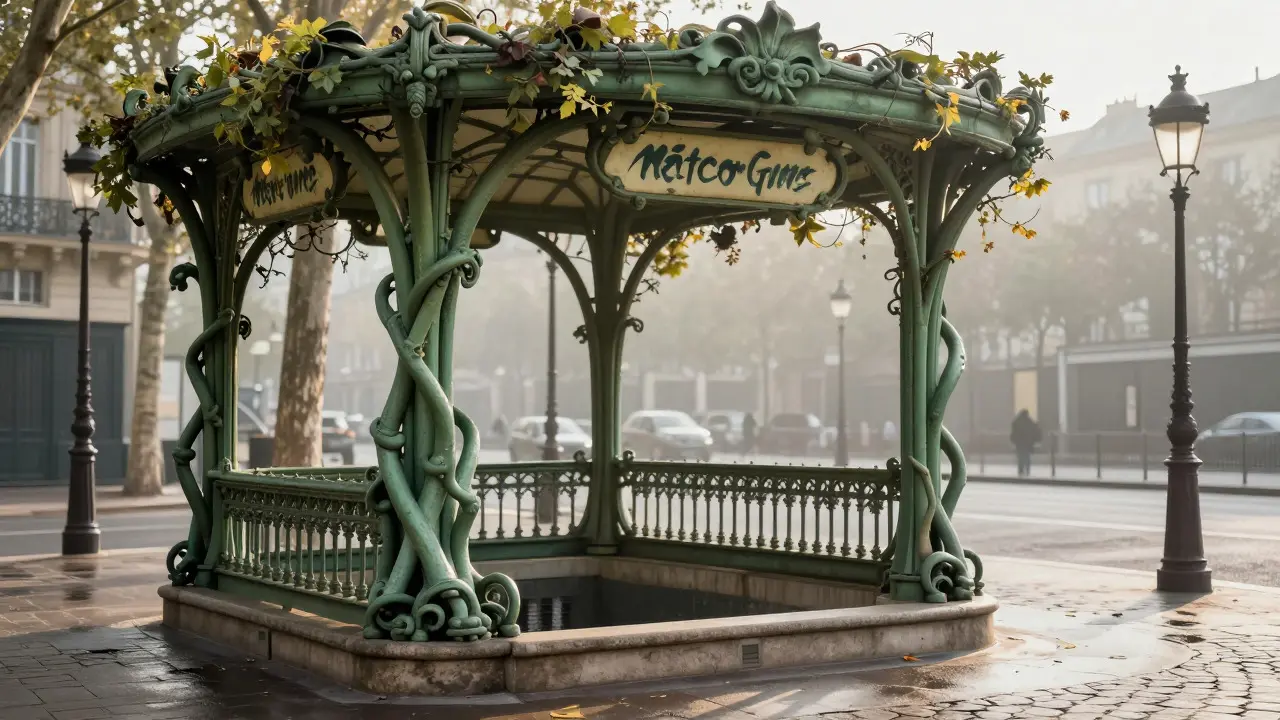
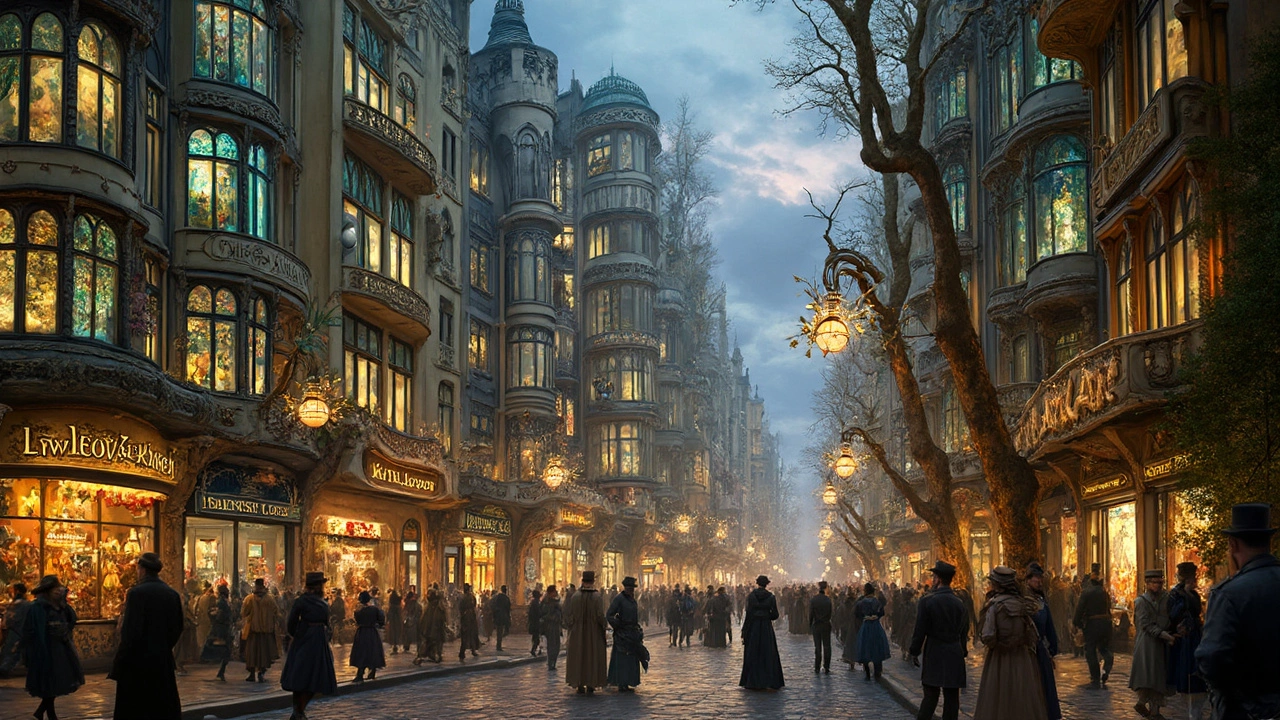
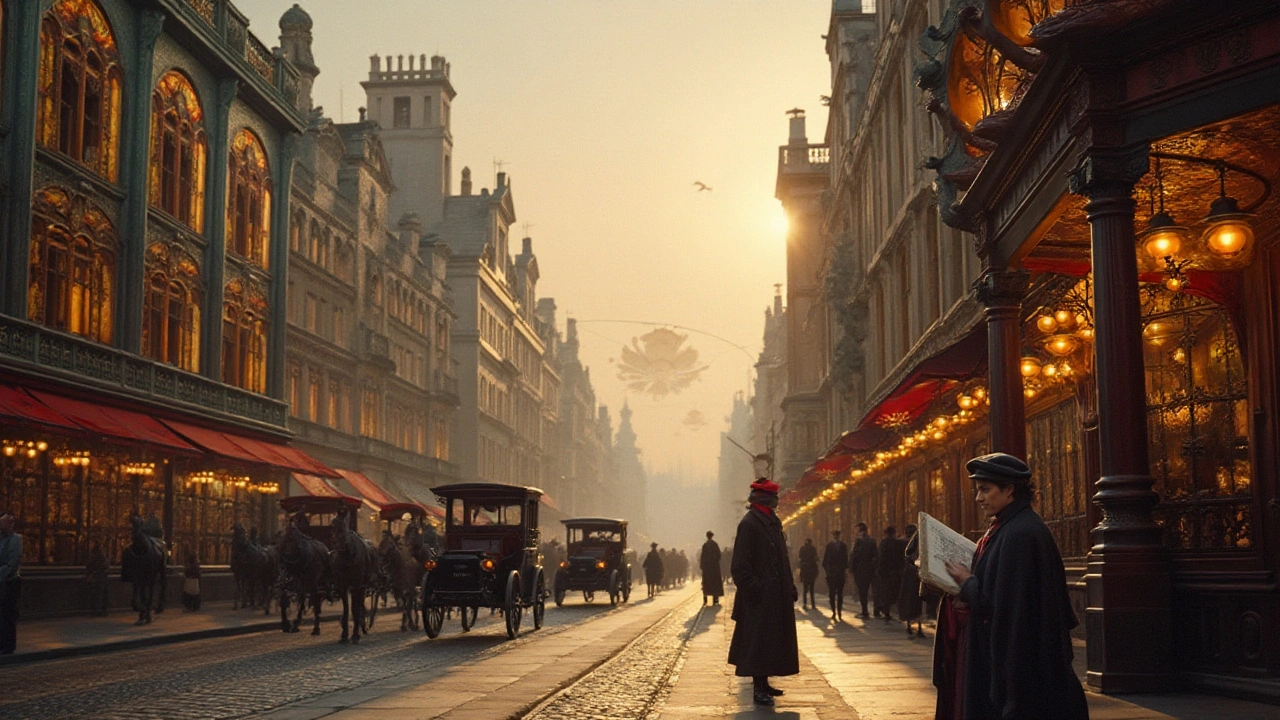
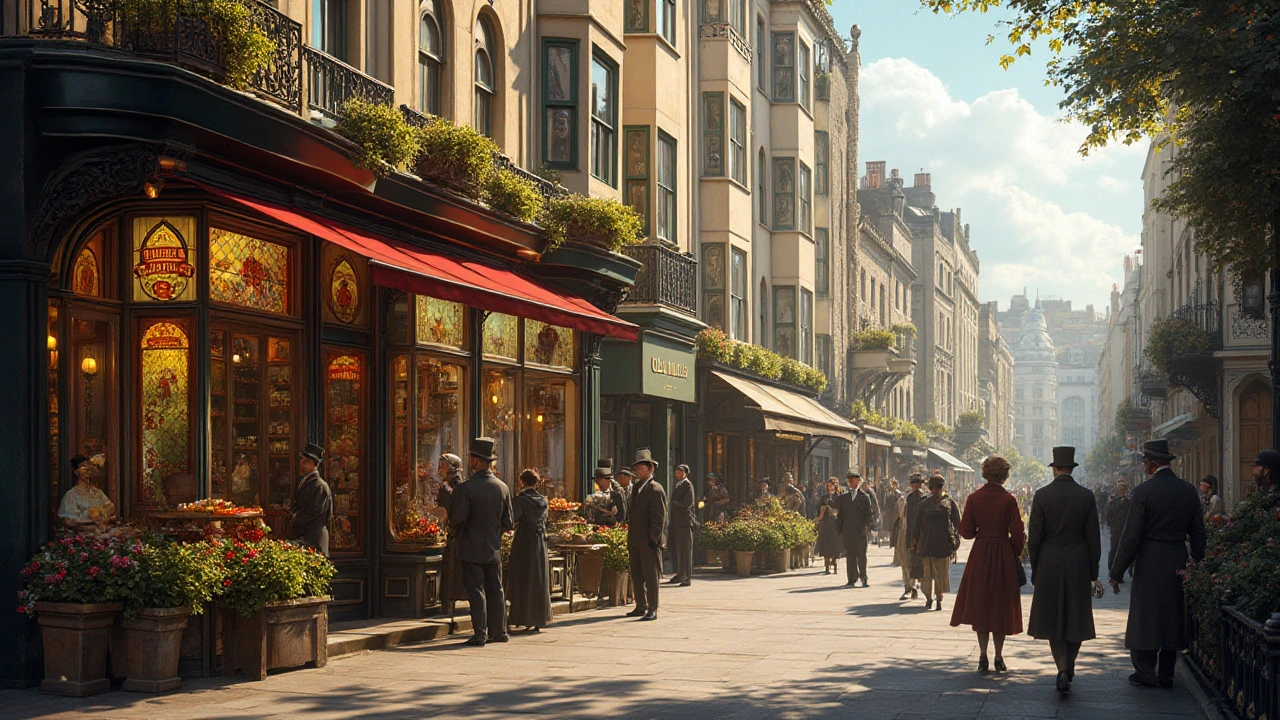
Art Nouveau exploded across Europe around 1890 and shook up how people thought about art, design, and everyday objects. Its trademark is long, organic lines that mimic plants, hair, and waves. You can find it in posters, jewelry, furniture, and even subway entrances. It aimed to erase the gap between fine art and useful objects—beauty for daily life.
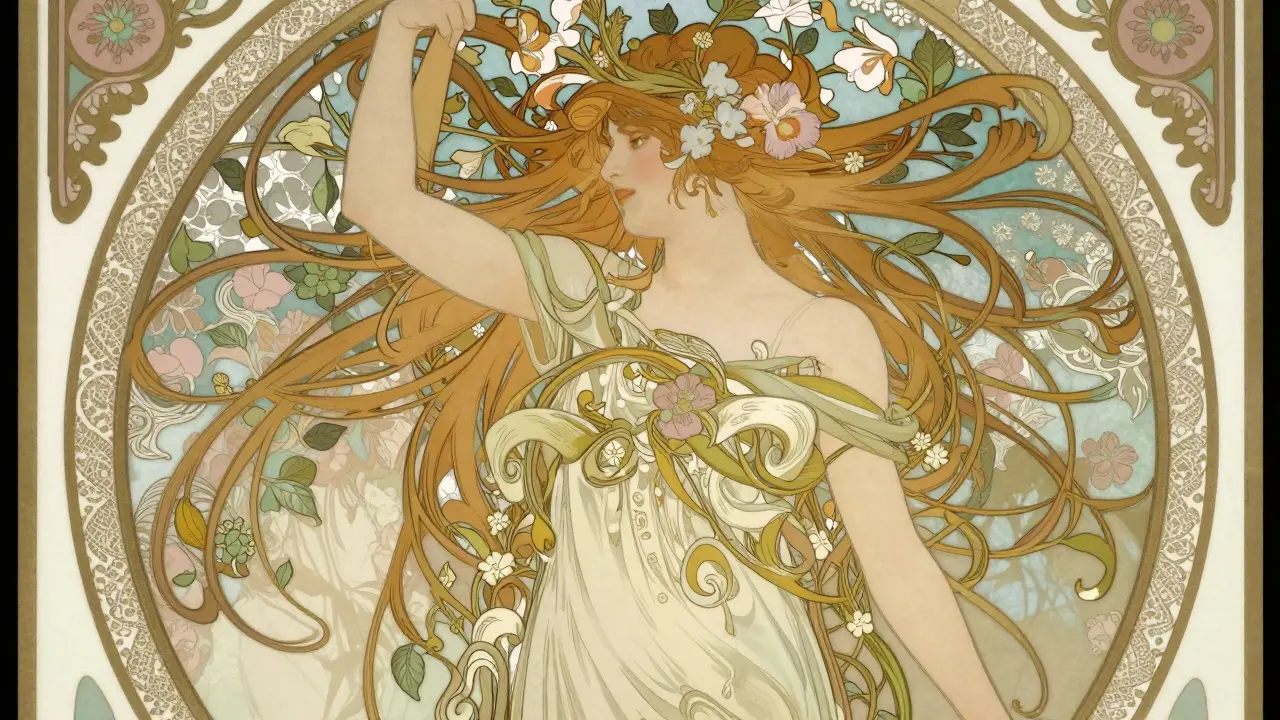
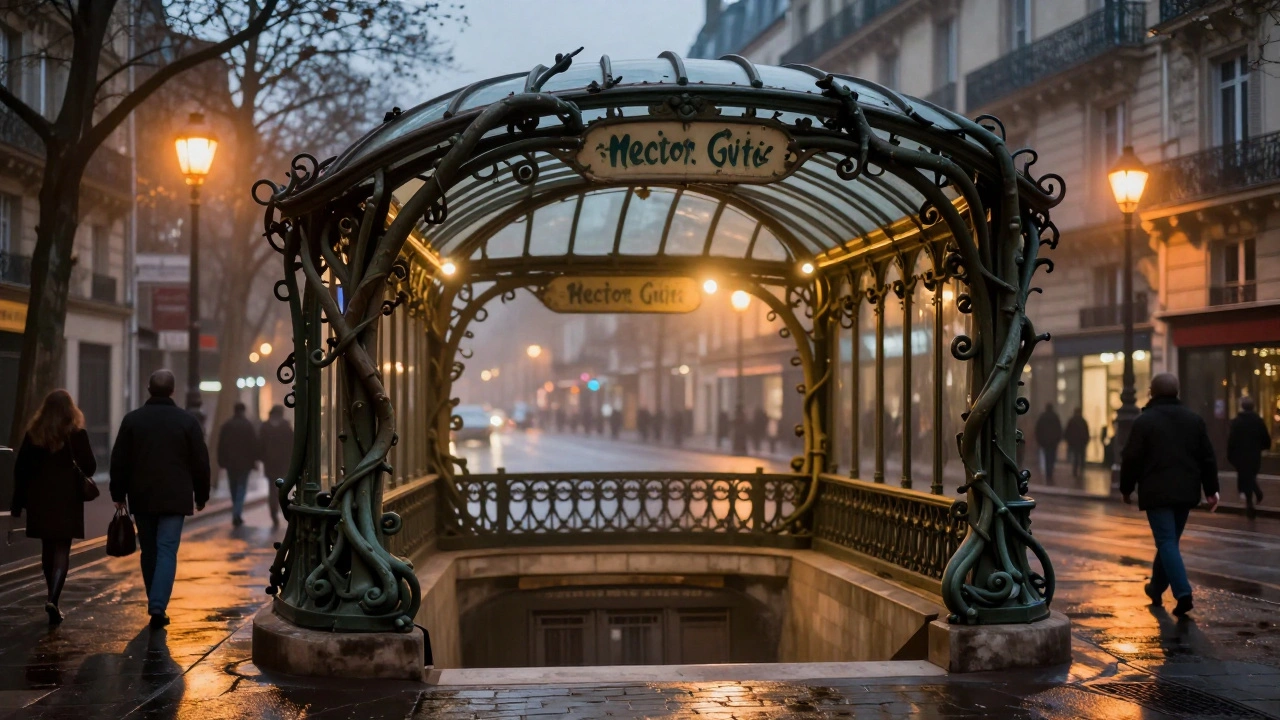
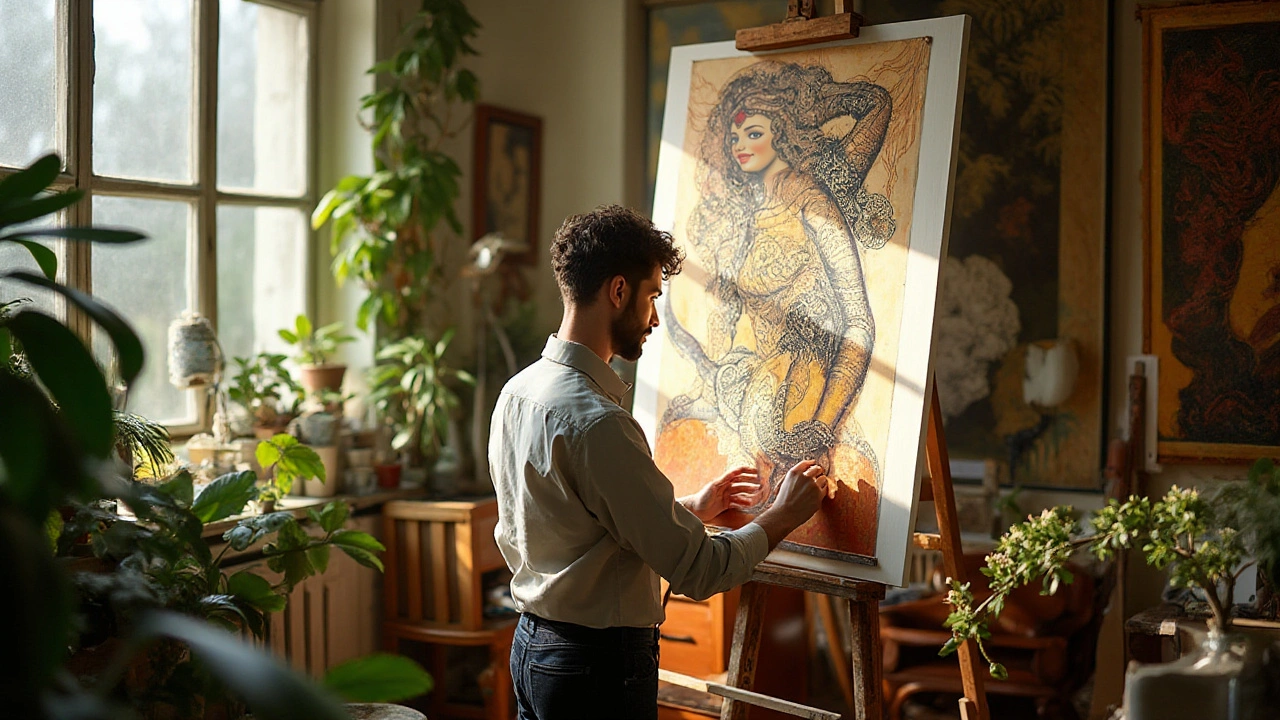
Key figures include Alphonse Mucha, whose posters made flowing women a visual shorthand for the style. Hector Guimard gave Paris its famous sinuous Métro entrances. Gustav Klimt blended decorative pattern with painting to push the style into high art. Each artist used similar visual ideas but different materials and moods.
Start with line and form. Art Nouveau favors curves over straight angles. Look for whiplash curves, stylized flowers, and asymmetry that still feels balanced. Materials often include glass, enamel, bronze, and bent wood. Color palettes range from soft pastels to rich golds, depending on whether the piece is decorative or architectural.
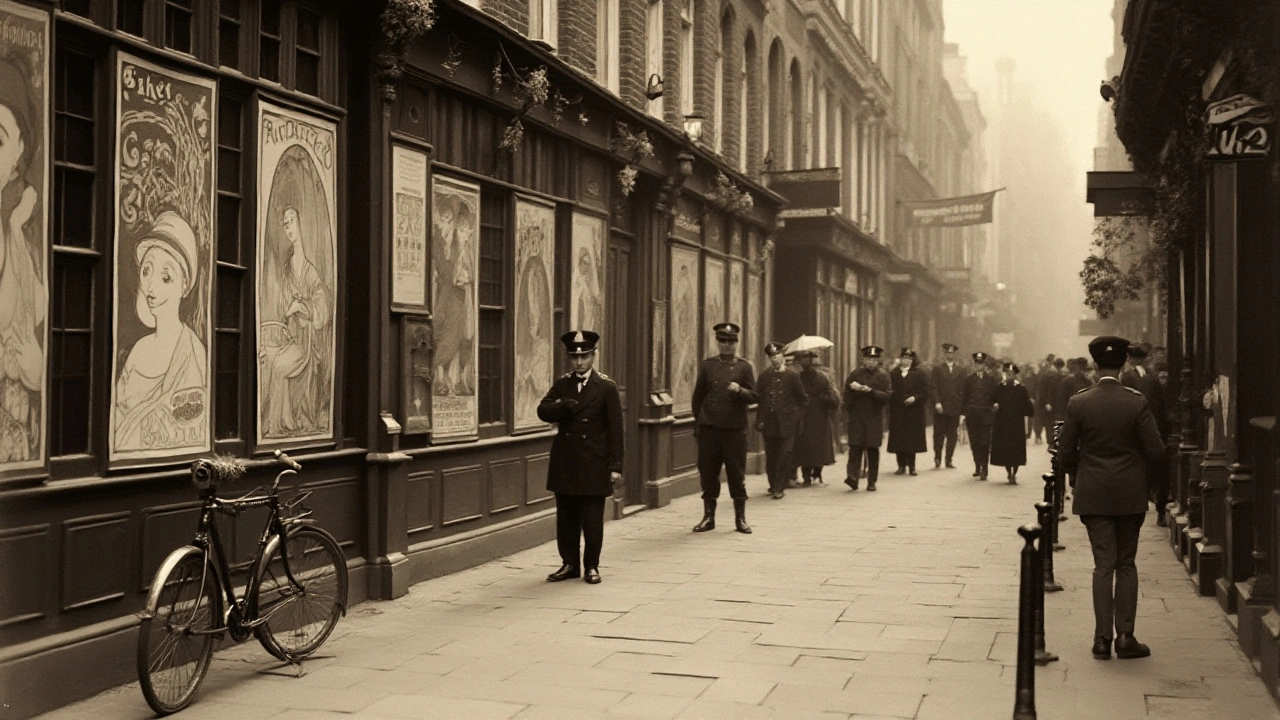
Check the context. Posters and prints are easy to collect and show the pure graphic side of the movement. Decorative objects like lamps and jewelry reveal craftsmanship and materials. Buildings display the full idea—stained glass, ironwork, and mosaics combined to create immersive environments. Museums in Paris, Brussels, Prague, and Glasgow hold standout collections.
You don't need a full renovation to add Art Nouveau vibes. Choose one statement piece—a curved lamp, a mirror with a flowing frame, or a print by Mucha—and let it steer the room. Pair organic shapes with neutral walls so the lines stand out. Avoid mixing too many styles at once; Art Nouveau works best when it's a clear accent, not visual noise.
If you like DIY, pick up brass fixtures or stained-glass kits and focus on curved motifs. For furniture, look for bentwood pieces or tables with cabriole legs that echo the movement's curves. In small spaces, a single patterned wallpaper panel behind a sofa creates the feel without overwhelming the room.
For collectors, prints and small decorative objects are a smart entry point—affordable, portable, and easy to display. When shopping, check maker marks on metalwork and provenance for frames and paintings. Reproductions are common; if authenticity matters, ask for documentation or consult a specialist.
Art Nouveau keeps popping up because its designs connect with nature and craft in a way that still feels fresh. Whether you study posters, visit a mosaic-lined stairwell, or add a flowing lamp to your living room, the style invites you to notice the beauty in everyday things.
Want quick resources? Check museum websites for virtual tours, search auction archives for price ranges, and follow specialist dealers on social media for new finds. Books by Susie Hodge or Genevieve Brison give solid overviews. Join local collector groups to compare notes and spot restoration workshops. Small efforts like these speed up learning and help you collect smarter without overspending. Start where you are.

Explore the history, key artists, and defining features of Art Nouveau. Learn how this organic style revolutionized design and continues to influence modern aesthetics.
ReadDiscover how Art Nouveau's organic curves and hand-crafted ethos are reshaping modern design, from digital interfaces to sustainable interiors, offering a human touch in a tech-dominated world.
ReadExplore the dreamlike world of Art Nouveau, from its organic roots to its lasting impact on design. Discover masterpieces by Mucha and Gaudí, learn key principles, and see how this movement still inspires us today.
ReadArt Nouveau was the defining aesthetic of the Belle Époque, blending nature, craftsmanship, and modernity into every detail-from subway entrances to teacups. It redefined beauty in everyday life.
ReadArt Nouveau, a revolutionary style that emerged in the late 19th century, forever changed the way we perceive aesthetic beauty. It broke free from historical art by embracing flowing lines, organic shapes, and nature-inspired designs. This movement significantly impacted architecture, jewelry, and graphic design. Learn about its key characteristics, famous artists, and lasting legacy in modern culture.
ReadArt Nouveau emerged as a bold and intricate style that bridged the 19th and 20th centuries, transforming the world of design with its organic forms and elaborate details. Despite its popularity and influence across various artistic disciplines, the movement experienced a rapid decline due to changes in cultural tastes and industrial advancements. This article explores the fascinating origins, widespread impact, and eventual fading of Art Nouveau, while uncovering its lasting legacy in the world of modern art and design.
ReadArt Nouveau, a revolutionary art movement that flourished in the late 19th and early 20th centuries, is celebrated for its intricate designs and organic forms. This style bridged the gap between traditional and modern art, influencing architecture, interior design, and visual arts across the globe. With its emphasis on natural forms and curved lines, Art Nouveau left an indelible mark, inspiring artists and designers to blend their creations harmoniously with the natural world. Its legacy continues to captivate art enthusiasts and inspire contemporary design.
ReadArt Nouveau, characterized by its intricate designs and organic motifs, revolutionized the world of visual arts at the turn of the 20th century. This movement gave rise to a new form of poster art that captivated onlookers with its delicate balance of form and color. Through the work of notable artists like Alphonse Mucha, Art Nouveau posters became iconic symbols of elegance and sophistication. Delve into the fascinating world of Art Nouveau, uncovering the techniques and influences behind these unforgettable pieces, and explore how they continue to inspire modern design today.
ReadArt Nouveau, a remarkable artistic movement from the late 19th century, harmoniously blended art with craftsmanship, influencing architecture, furniture, glassware, and more. Known for its elegant curves and organic motifs, it challenged the industrial norms and celebrated individuality in design. This article explores the origins, key features, and lasting impact of Art Nouveau on both modern aesthetics and the crafting community. Unique in its approach, it captured an era's yearning for beauty and skill in everyday objects.
ReadThis article delves into the lasting influence of Art Nouveau, a groundbreaking art style that emerged in the late 19th century. A hundred years later, its intricate designs and organic forms continue to inspire artists, architects, and designers worldwide. We explore its origins, key figures, enduring influence, and some fascinating lesser-known facts.
Read