Georges Braque: Painter, Sculptor, and Cubism Pioneer
Georges Braque helped invent Cubism with Picasso and changed how we look at everyday objects. He stripped scenes into simple planes, played with light and shadow, and turned ordinary items like violins and bottles into a new kind of visual language. If you want to spot Braque in a gallery or learn from his methods, this page gives clear, practical pointers.
Braque started as a Fauve-influenced painter but moved fast toward geometry after seeing Cézanne. Around 1908 he met Picasso; their work pushed each other into radical experiments. Note paintings like Houses at l'Estaque and The Portuguese for early shifts, then the sober, fractured still lifes that define Analytical Cubism.
Key features to spot in Braque's work
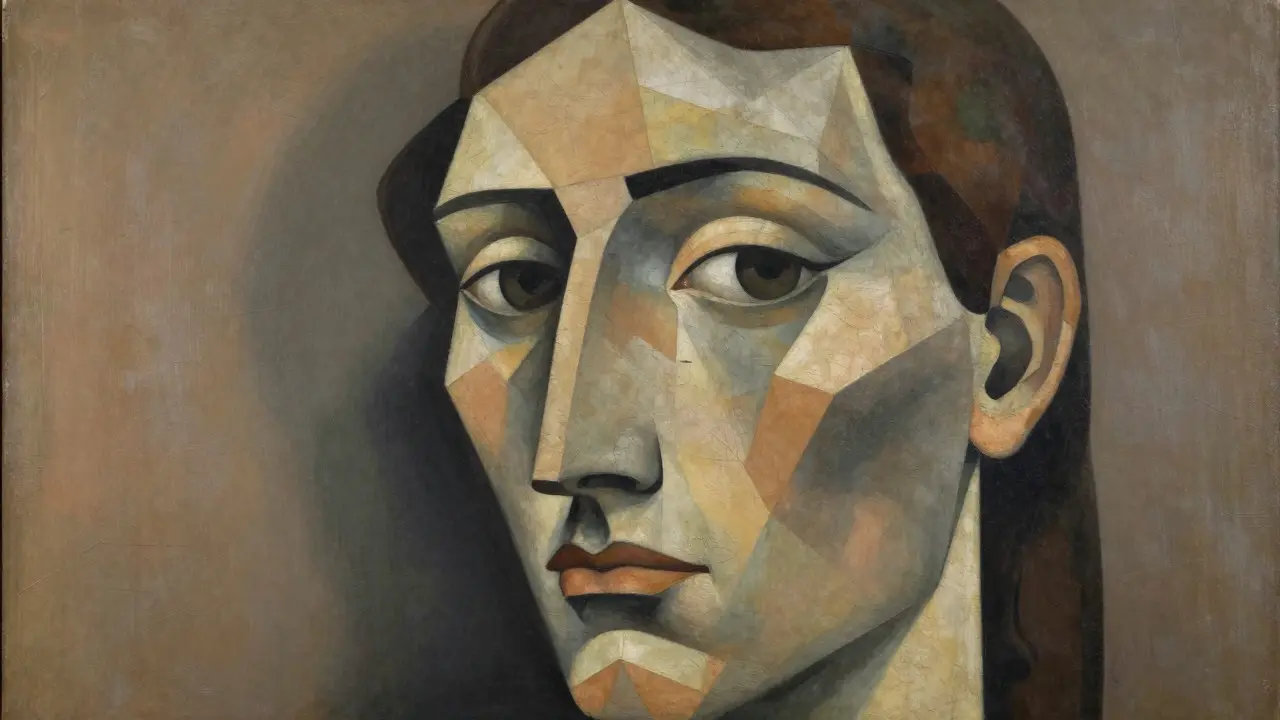
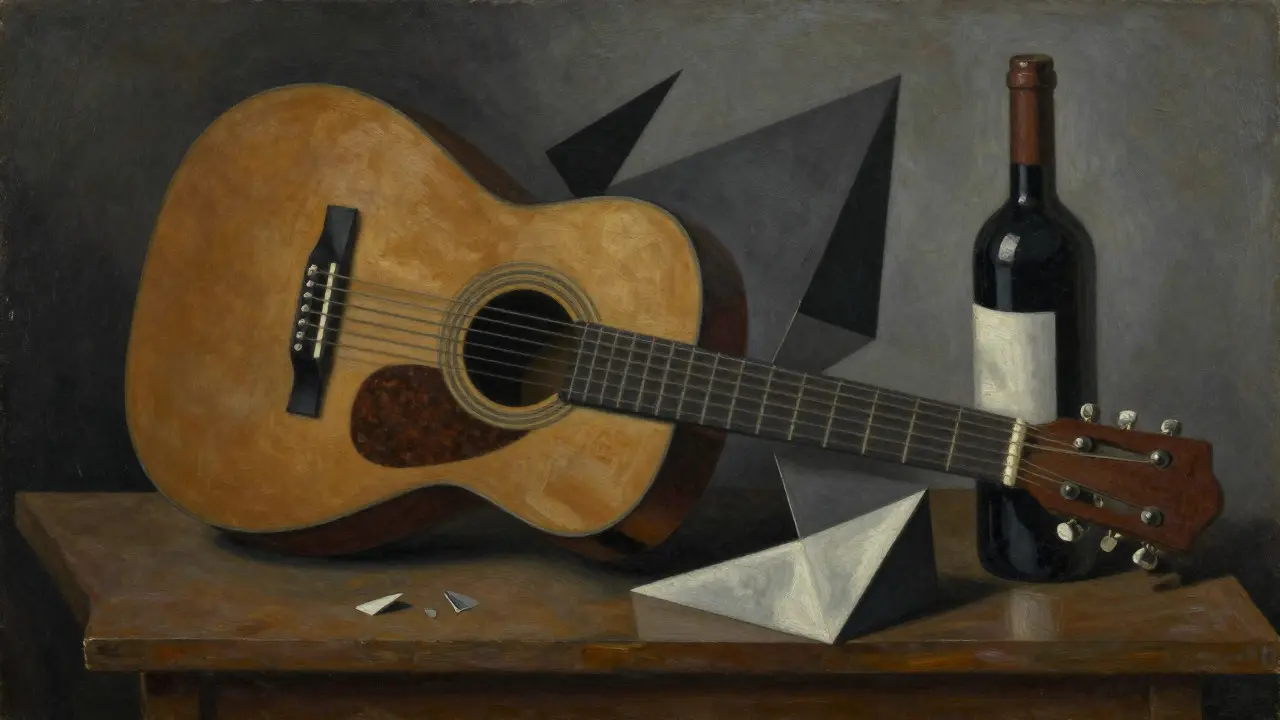
Look for a muted palette of browns, grays, ochres, and soft greens. Braque favored texture over bright color to study form and mass. You will often find overlapping planes and tight connections between object and background so figures seem built from the same material as their surroundings. Stenciled letters, newspaper fragments, and painted wood grain also appear as visual clues.
Instruments and domestic objects recur. Violins, guitars, pipes, tables, and pitchers appear broken into facets and reassembled. That repetition helped Braque explore how an object can be read from several viewpoints at once. His shadow work and small tonal shifts make shapes sit in space without realistic perspective.
Practical ways to learn from Braque
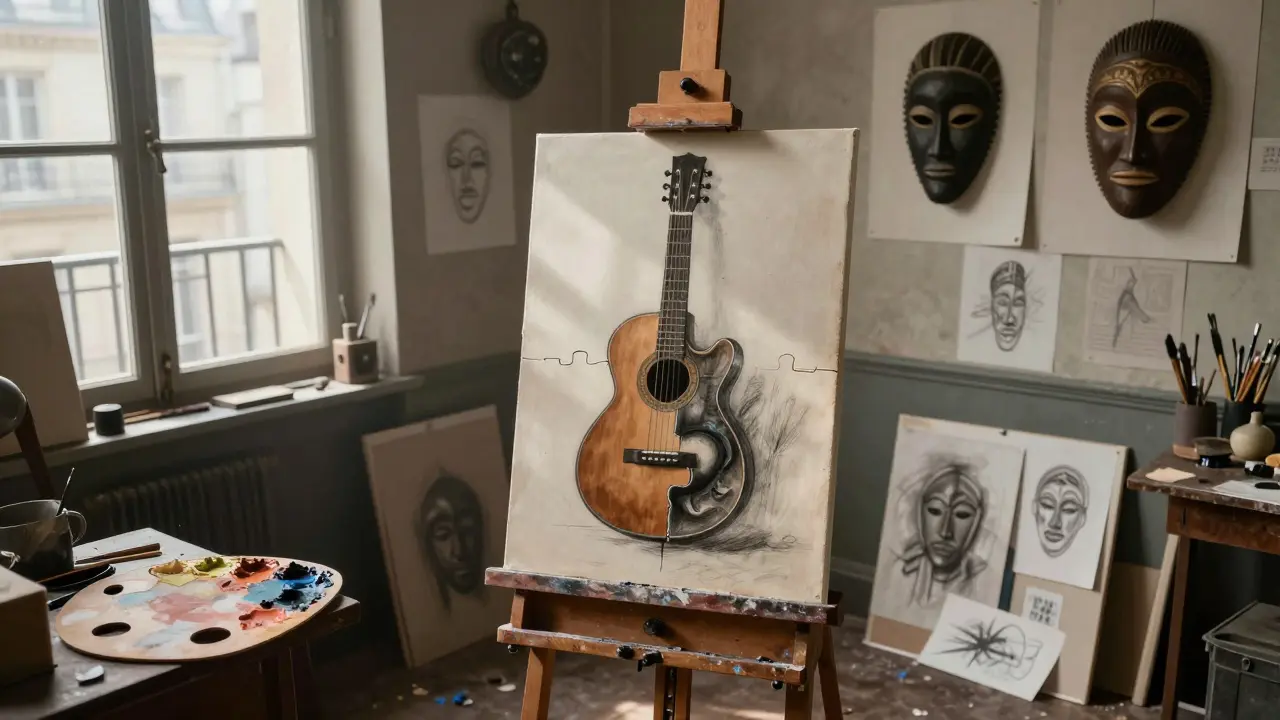
Try reducing a scene to three tones and focus on overlap. Sketch a cup, a bottle, and a piece of fruit, then redraw them as flat planes that intersect. Limit color and add texture with pencil hatching or torn paper. Practice both drawing and simple collage; Braque helped develop papier collé, gluing paper to canvas, which forced new ways to combine real texture and painted surface.
Visit museums with an eye for sequence. See early Fauve works, then the sharp shifts into Cubism. Watching the changes in one artist helps you understand choices like simplified color and fractured space. Also compare Braque to Picasso: Picasso pushed for dramatic distortion, while Braque pushed for quiet excavation of form.
Braque later returned to richer color and looser brushwork, but still kept the Cubist structure. He also worked in sculpture and printmaking, always testing how form reads from different sides. That curiosity kept his art active and approachable across decades.
If you only remember three things about Braque, keep this: muted palette, repeated domestic objects, and invented texture. Use these as starting points whether you study art history, copy his methods, or just want sharper museum visits.
Plan museum visits to see his works in person: Centre Pompidou in Paris, MoMA in New York, Tate Modern in London, and the Pompidou collections online. Look for The Portuguese, Violin and Candlestick, and Houses at l'Estaque. When you photograph paintings, avoid flash and include a small object for scale. Read essays that compare Braque and Picasso to see how artists pushed the same idea in different ways.