What Exactly Is Performance Art?
Before we get into the wilder side of things, we need to clear up what this actually is. Performance Art is an interdisciplinary art form that combines visual art with dramatic performance. Unlike a play or an opera, it isn't about acting out a fictional character. Instead, it's about the artist presenting a real action or a conceptual idea in real-time. Think of it as the bridge between Conceptual Art and theater. While a painter uses oil and canvas, a performance artist uses their own presence, movements, and sometimes their own physical suffering to make a point. It's about the "here and now." If you weren't there when it happened, you only have a recording or a photo to go by-the actual art was the fleeting moment of interaction between the artist and the audience.The Pillars of the Craft: Time, Space, and the Body
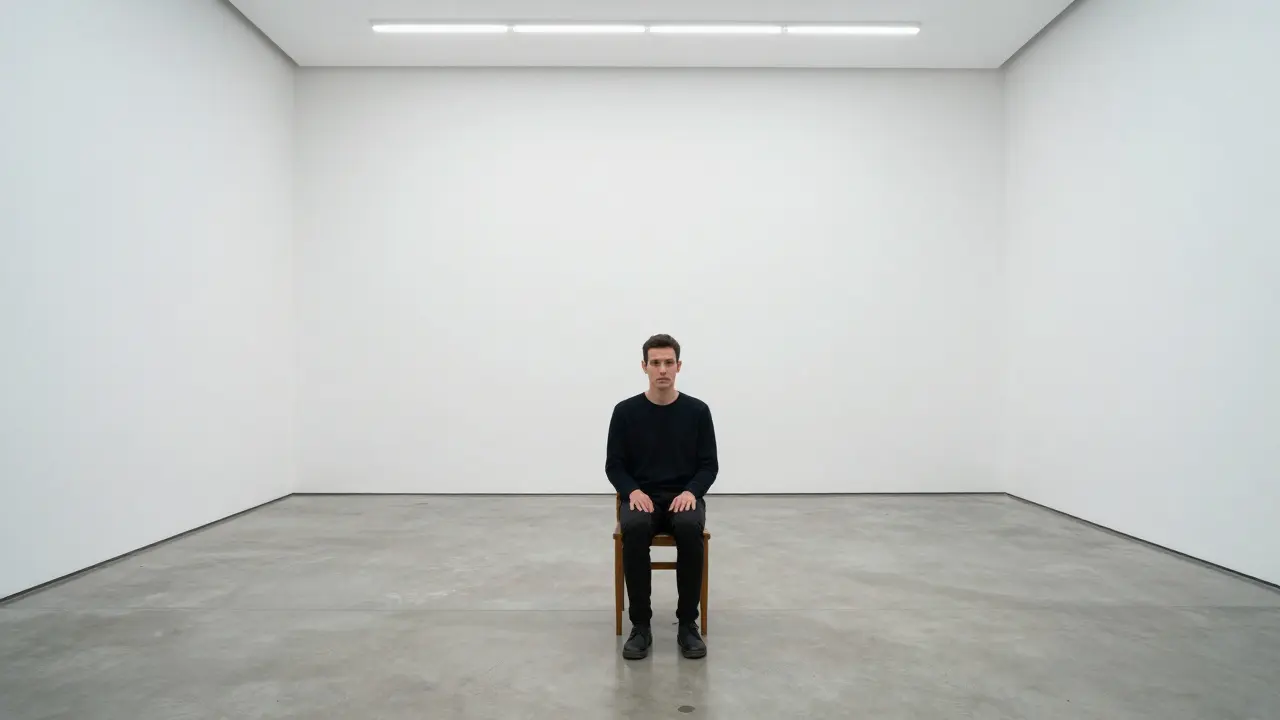
To understand why some of these pieces feel so intense, you have to look at the tools being used. Performance artists rely on four main elements: time, space, the artist's own body, and the relationship with the viewer. Time in performance art isn't always about a story arc. Sometimes it's about endurance. When an artist decides to stand still for 700 hours, they aren't just "waiting"; they are exploring the psychological limits of human patience and the physical toll of stillness. Space also plays a huge role. A performance in a sterile white-cube gallery feels very different from one staged in a crowded subway station or a public square. The environment changes how the audience reacts-from respectful silence to genuine confusion or even anger. Then there's the body. In this medium, the body is the tool. Whether it's through Body Art-where the skin is marked, pierced, or pushed to extremes-or simple gestures, the physical presence of the artist removes the barrier between the creator and the work. You aren't looking at a representation of pain or joy; you are witnessing it live.Pushing the Limits: The Role of Artistic Freedom
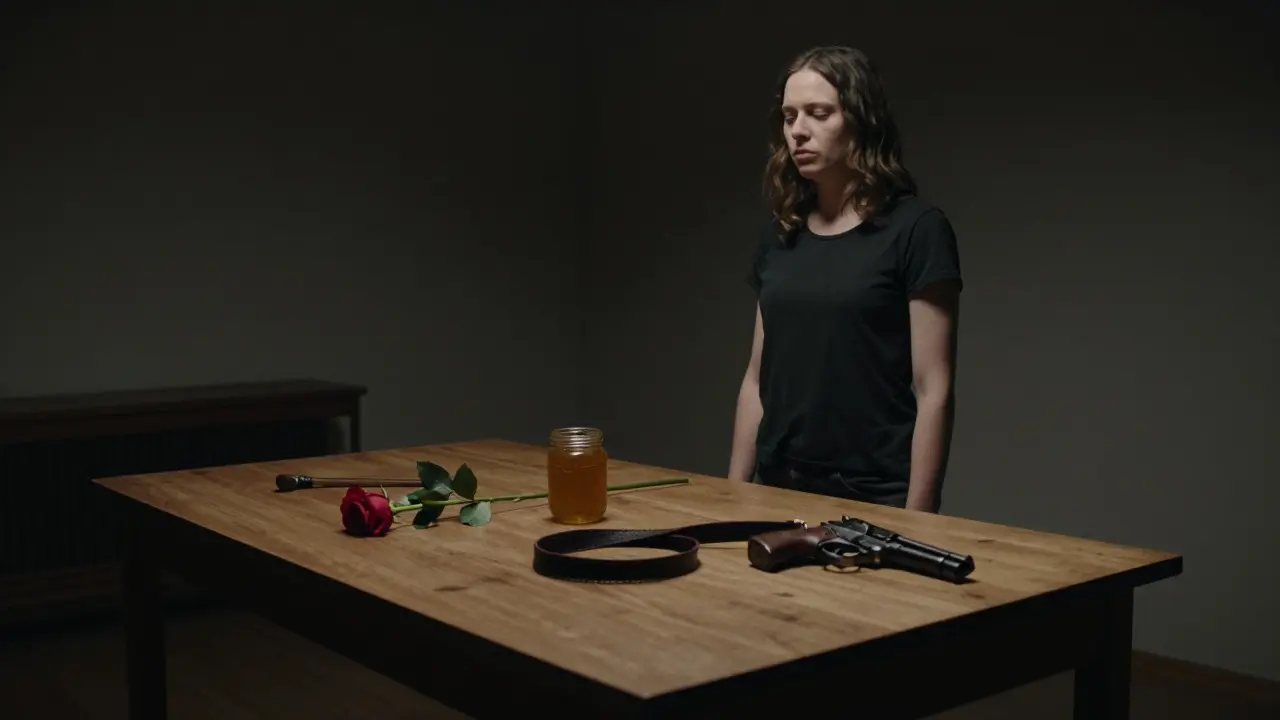
Why do artists do things that seem, frankly, insane? Because performance art is often about testing the boundaries of what society deems "acceptable." It is an unapologetic exercise in freedom. When an artist puts themselves in a vulnerable or dangerous position, they are usually asking a question about power, control, or the fragility of life. Take Marina Abramović, often called the grandmother of performance art. In her 1974 piece "Rhythm 0," she stood still for six hours and invited the public to do whatever they wanted to her using 72 objects she placed on a table-including a rose, honey, a whip, and a loaded gun. The piece started innocently, but as the hours passed, the audience became aggressive. Someone eventually pointed the loaded gun at her head. This wasn't a stunt. It was a brutal experiment in human psychology. By giving up her own agency, Abramović exposed how quickly people can turn cruel when there are no social consequences. That is the power of artistic freedom: the ability to create a mirror that reflects the darkest parts of the viewer back at them.| Feature | Traditional Art (Painting/Sculpture) | Performance Art |
|---|---|---|
| Medium | Pigments, Stone, Metal | Human Body, Time, Sound |
| Longevity | Permanent/Physical Object | Ephemeral/Temporary |
| Viewer Role | Passive Observation | Active Participation/Witnessing |
| Market Value | Sold as a commodity | Sold as documentation or experience |
The Influence of the Avant-Garde and Dadaism
Performance art didn't just appear out of nowhere. It grew from the seeds of the Avant-Garde movements of the early 20th century. Specifically, Dadaism played a massive role. The Dadaists were fed up with the logic and rationality that they believed led to the horrors of World War I. Their response? Anti-art. At the Cabaret Voltaire in Zurich, they performed nonsensical poetry, wore bizarre costumes, and shouted randomly. They wanted to shock the bourgeoisie and break the "rules" of what art should be. This spirit of rebellion is baked into every modern performance piece. When you see a contemporary artist doing something "weird" in a gallery, they are continuing a century-old tradition of questioning authority and mocking the pretension of the art world.Common Misconceptions: "I Could Do That"
One of the most common reactions to performance art is the eye-roll followed by the phrase, "I could do that." And the truth is, physically, you probably could. You could sit in a chair for eight hours or walk in a circle for a day. But the art isn't in the physical act; it's in the intent and the context. When a random person sits in a chair for eight hours, it's just a long wait. When an artist does it within the context of a curated exhibit, it becomes a study on endurance, presence, and the gaze. The "art" happens in the space between the performer and the observer. It's the social contract that is being tested. If you strip away the intention, you're just looking at a person sitting. With the intention, you're looking at a commentary on the human condition.
The Evolution: From Galleries to Digital Spaces
As we move further into the 21st century, performance art is evolving. We aren't just limited to physical galleries anymore. The internet has created a new kind of stage. Social media allows artists to perform for thousands of people simultaneously, turning their daily lives into a conceptual piece. We're seeing a rise in "digital performance," where artists use avatars, VR, and live-streaming to explore identity. For example, an artist might create a fake online persona and interact with real people for months, only to reveal it was a scripted performance to highlight how easily we are deceived by digital facades. The medium is changing, but the goal remains the same: to provoke a reaction and challenge our perceptions of reality.How to Experience Performance Art Without Getting Overwhelmed
If you've never been to a performance piece, it can be intimidating. You might feel like you're "missing the point" or that you're supposed to feel something specific. The first rule is to let go of the need to "get it." Instead of asking "What does this mean?", try asking "How does this make me feel?" Does the silence make you anxious? Does the artist's movement make you feel claustrophobic or liberated? The meaning of the work is often unique to every person who witnesses it. There is no right or wrong answer, only your personal reaction to the stimulus.Is performance art the same as theater?
Not exactly. While both involve a performer and an audience, theater is typically based on a script, a character, and a fictional narrative. Performance art is about the artist's actual identity and real-time actions. In theater, if an actor drinks a glass of water, they are playing a character drinking water. In performance art, the artist is simply drinking water, and the act of doing so becomes the focus of the work.
Why is some performance art so shocking or violent?
Shock is often used as a tool to break through the viewer's complacency. By presenting something visceral or uncomfortable, the artist forces the audience to confront their own biases, fears, or physical reactions. The goal isn't usually to promote violence, but to use it as a metaphor for social or political struggles, or to explore the limits of the human body.
How do artists make money from performance art?
Since you can't sell a "moment," artists often sell the documentation of the performance-such as photographs, videos, or sketches. Some also sell "certificates of authenticity" or scripts. Many are funded through grants, museum commissions, or private patrons who value the conceptual nature of the work over a physical object.
Who are the most influential performance artists?
Marina Abramović is a primary figure, known for her endurance pieces. Other pioneers include Chris Burden, who famously had himself shot in the arm for a project, and Yoko Ono, whose "Cut Piece" allowed the audience to cut away her clothing, exploring themes of vulnerability and gender.
Where can I see performance art today?
You can find it in major contemporary museums like MoMA or Tate Modern, but it's also very common in fringe festivals, independent galleries, and increasingly on digital platforms like Instagram or Twitch where artists stage conceptual live-streams.