Installation Art: How Space Becomes the Artwork
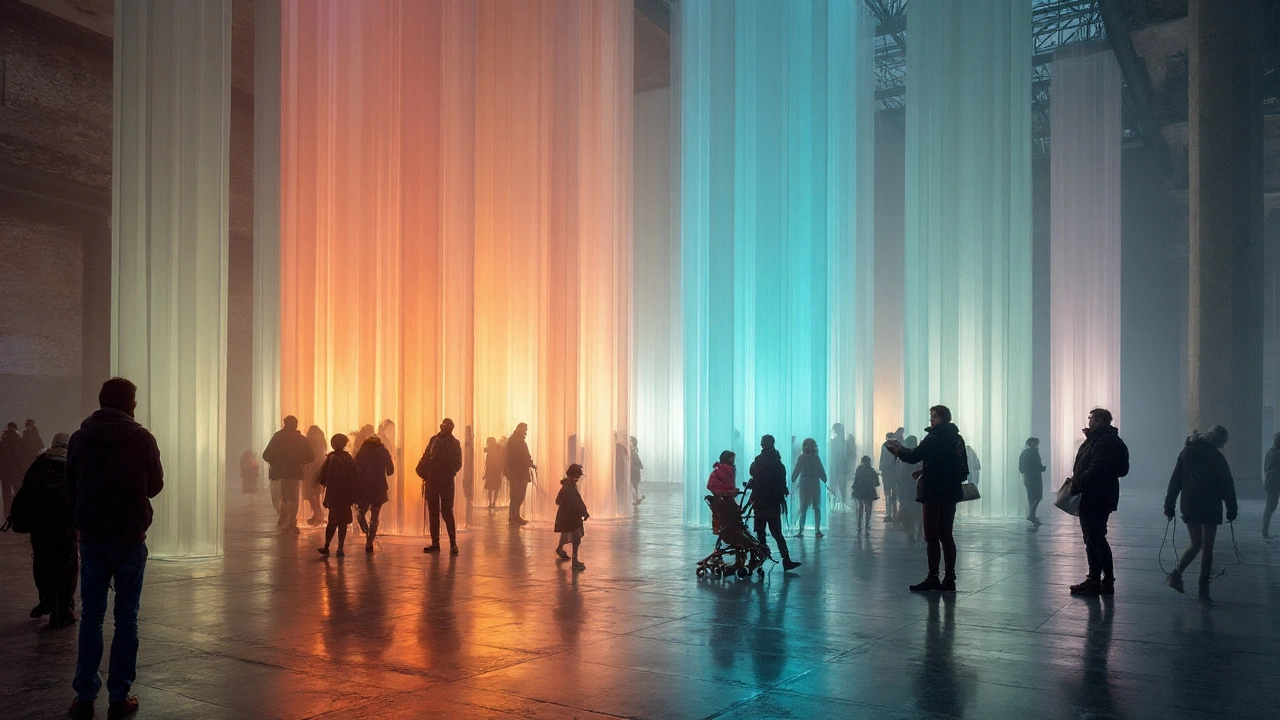
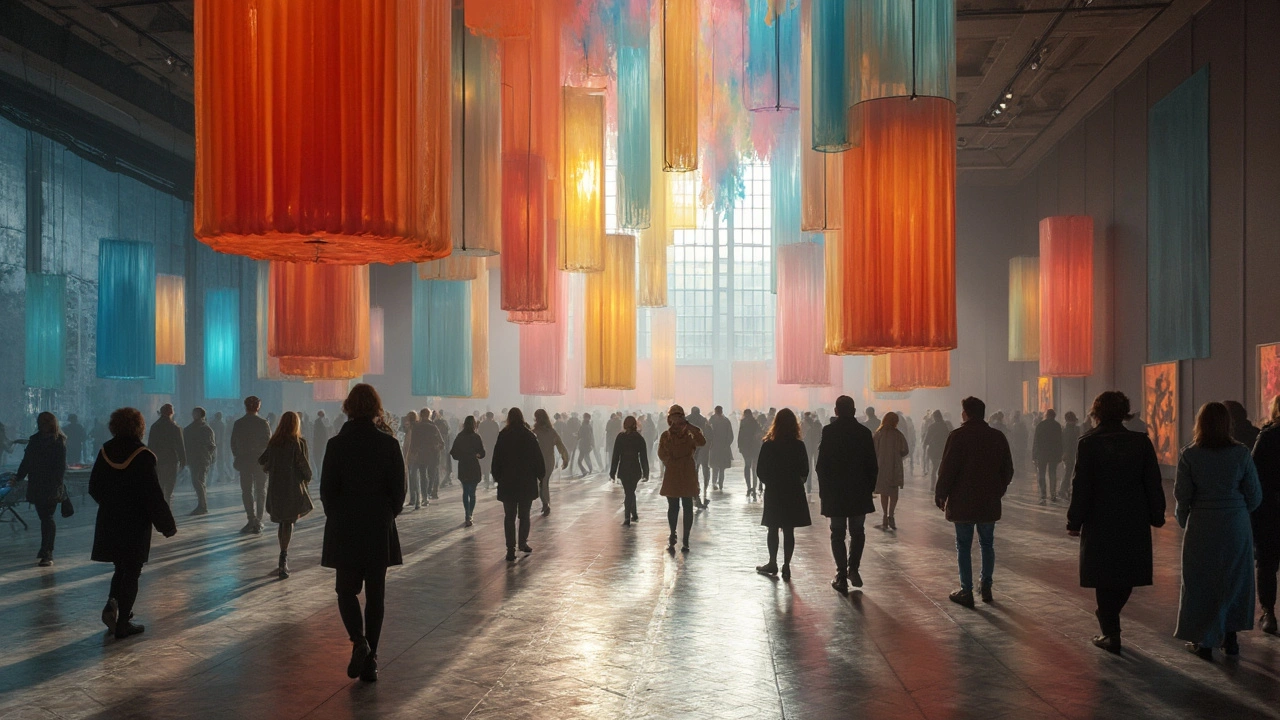
Ever walked into an artwork and felt the rules change? That's installation art. It treats whole rooms, plazas, or landscapes as the canvas and asks you to move, listen, and react.
Installation art began in the 20th century as artists pushed beyond paintings and sculptures. Early work blurred theater, performance, and objects. Over decades it grew into immersive shows, site-specific pieces, and environmental projects that change with light, weather, or audience presence. On this site, you'll find posts about the movement's evolution and its visual and symbolic tools that make installations hit hard.
What makes an installation work? First, scale. Installations use size and placement to shift how you perceive a space. Second, materials. Artists mix wood, metal, fabric, video, sound, and found objects—anything that fits the idea. Third, context. A piece in a gallery reads differently than the same work in a park. Artists think about history, local culture, and how people already use a place.
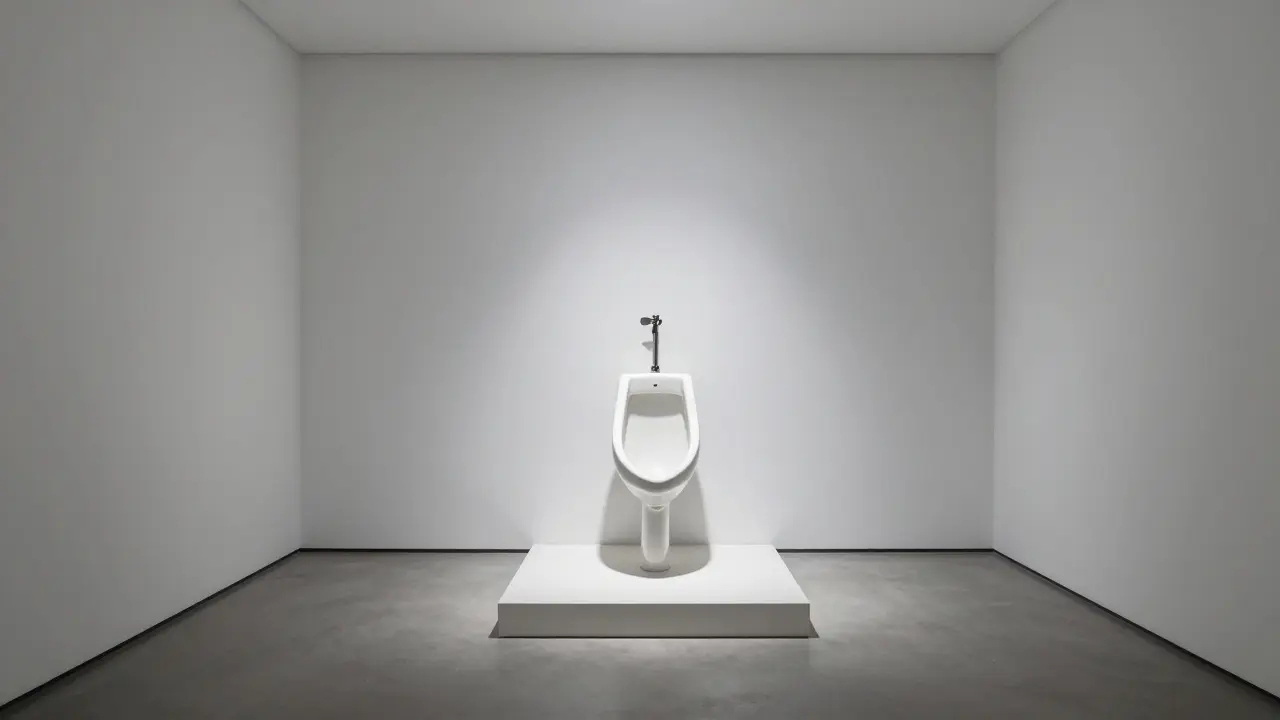
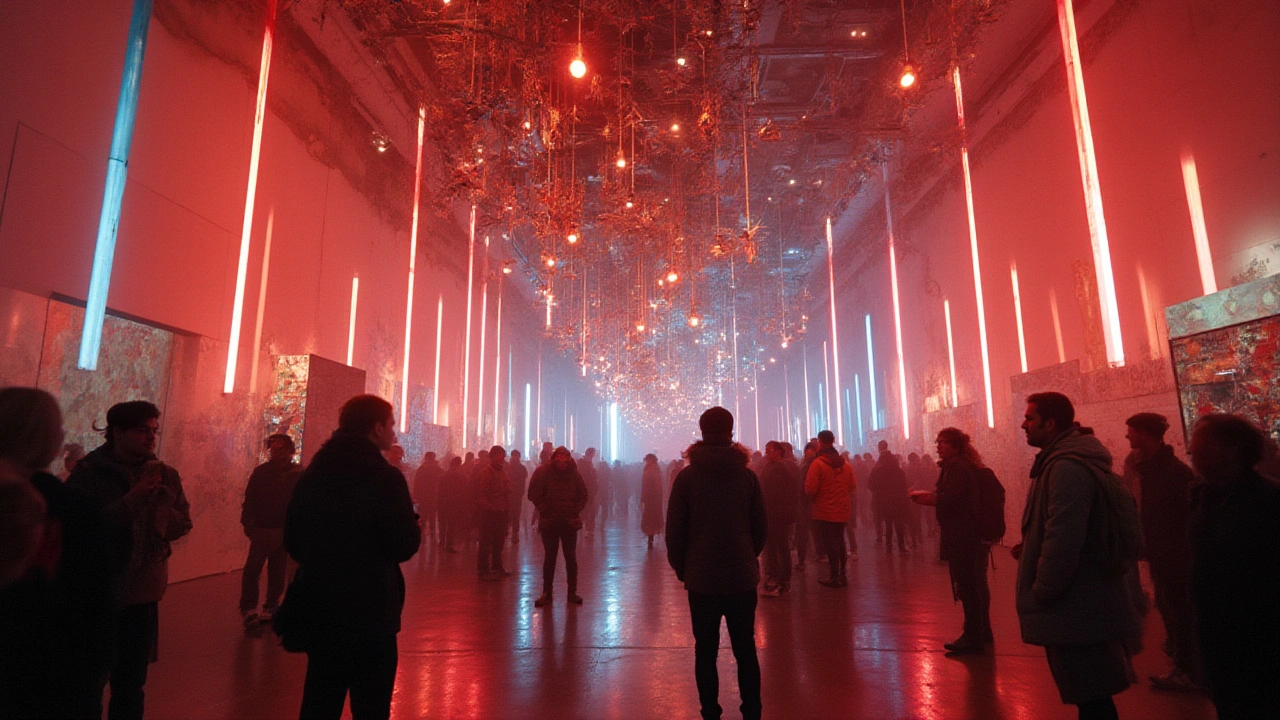
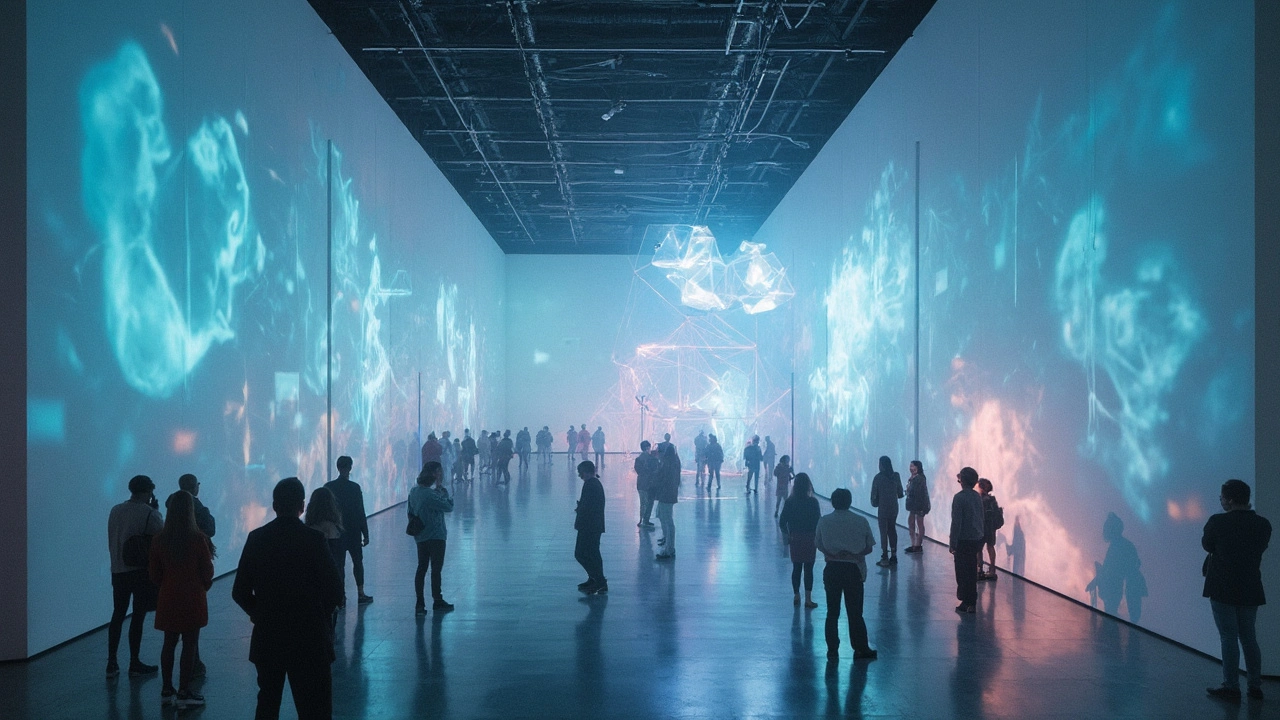
Techniques vary. Some creators build immersive environments that block out distractions with sound and light. Others use ready-made objects to tell a story or trigger memory. Many installations invite touch or movement; interaction becomes part of the work. Land art moves installations outside, using earth, plants, or water to create temporary or lasting interventions in the landscape.
How to Experience Installation Art
Approach installations like a tiny exploration. Start by standing still and letting your eyes adjust. Walk slowly and change your viewing angle—small shifts often reveal hidden details. Use sound and silence: close your eyes for a moment or follow an audio track if the piece has one. If the work asks for interaction, try it. Your action may be the missing element that completes the piece.
Respect the rules. Some installations are fragile or site-sensitive. If signs say "do not touch," don't. Take photos only when allowed, and think about how a picture flattens an experience that was meant to be bodily and temporal.
How Artists Build Installations
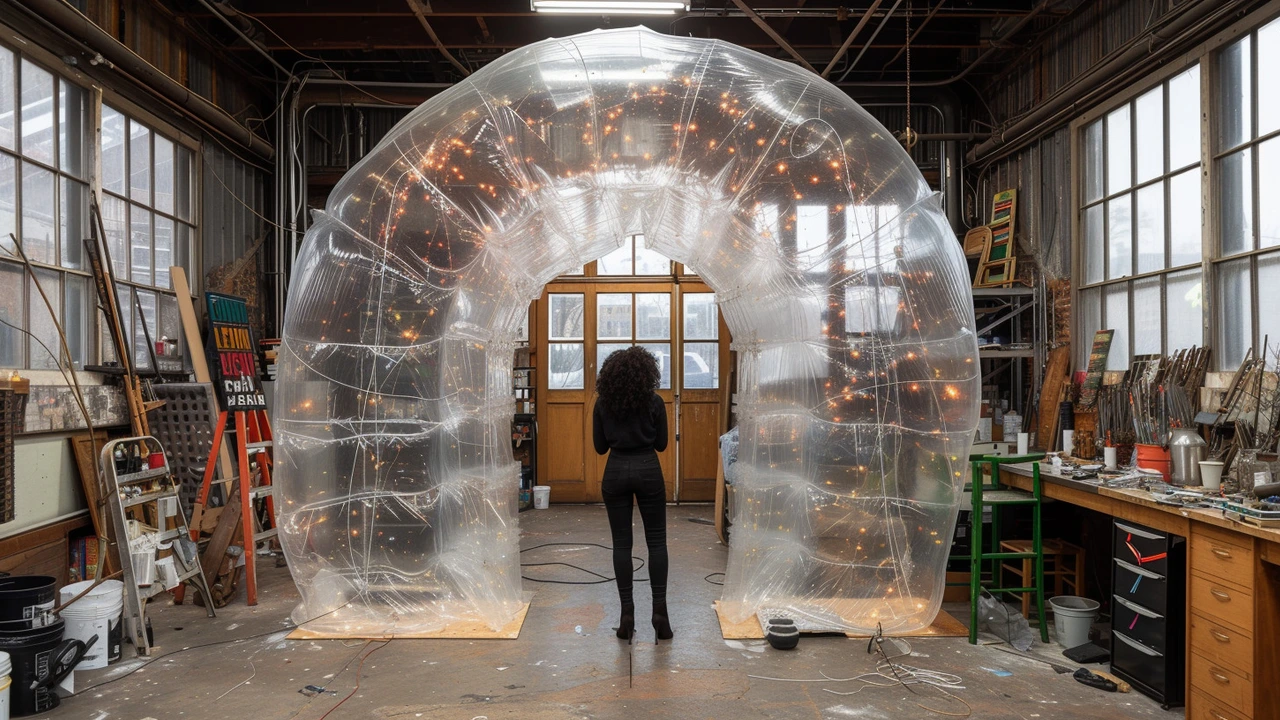
Pick a clear idea first. Then choose a site and test the scale with models or mockups. Think about practical needs: power, mounting, weatherproofing, and safety. Choose materials that fit the concept but can survive the setting. Collaborate—engineers, fabricators, and curators are often necessary. Document thoroughly with photos and video; installations are usually temporary and documentation becomes the archive.
Want examples? Check the site posts on installation art history and symbolism for deep dives. Also look into related topics like land art and Fluxus for different approaches to space and audience. Visiting public art in parks or contemporary galleries will sharpen your sense of how installations shape feelings and behavior.
If you want deeper reading, start with 'Installation Art: Evolution, Techniques, and Famous Works Explained' and 'Installation Art: Aesthetic and Symbolic Elements Unpacked' for history, methods, and standout works to visit or study right now too.
Installation art is a practical, physical way to ask questions the old framed picture never could. Walk in, pay attention, and let the space do the talking.