Earthworks: what land art really is and why it matters
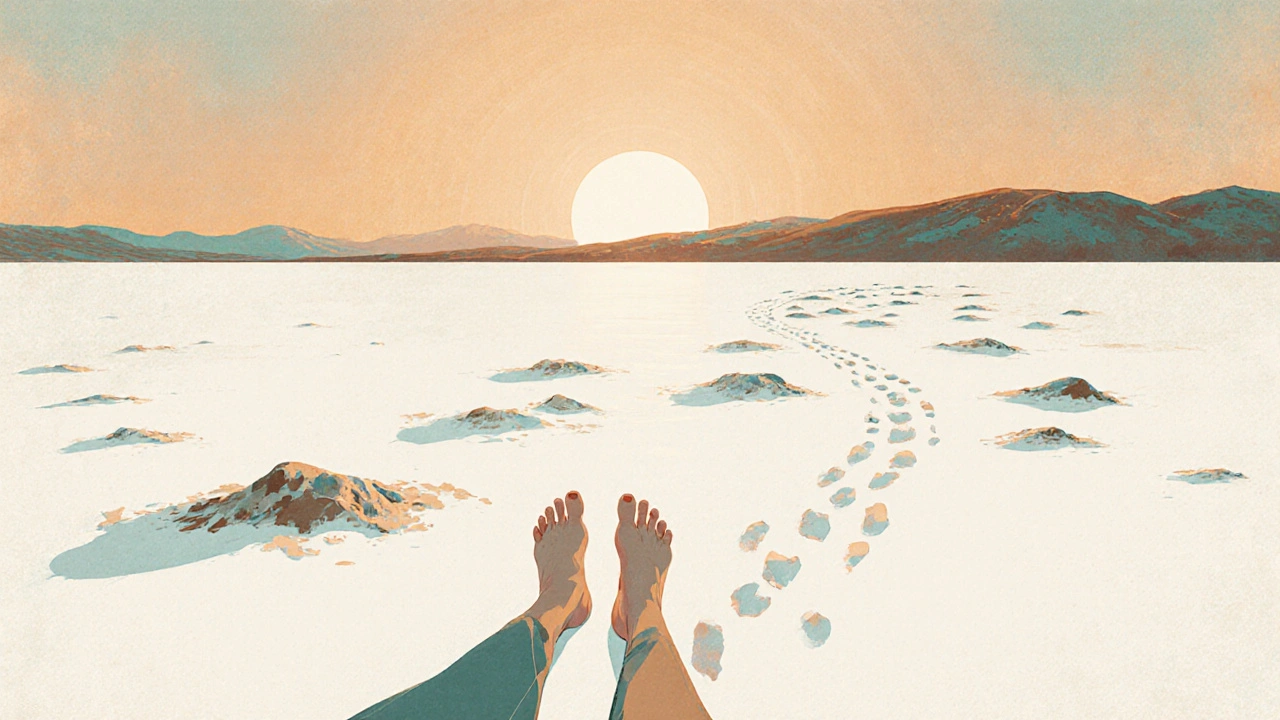
Earthworks — often called land art — are artworks made directly in the landscape using soil, rocks, plants, and other natural materials. They aren’t framed or hung on a wall. Instead, they live in parks, deserts, riverbanks, and city plazas. These pieces change with weather, seasons, and time, so you experience them differently each visit.
What earthworks look like and how artists make them
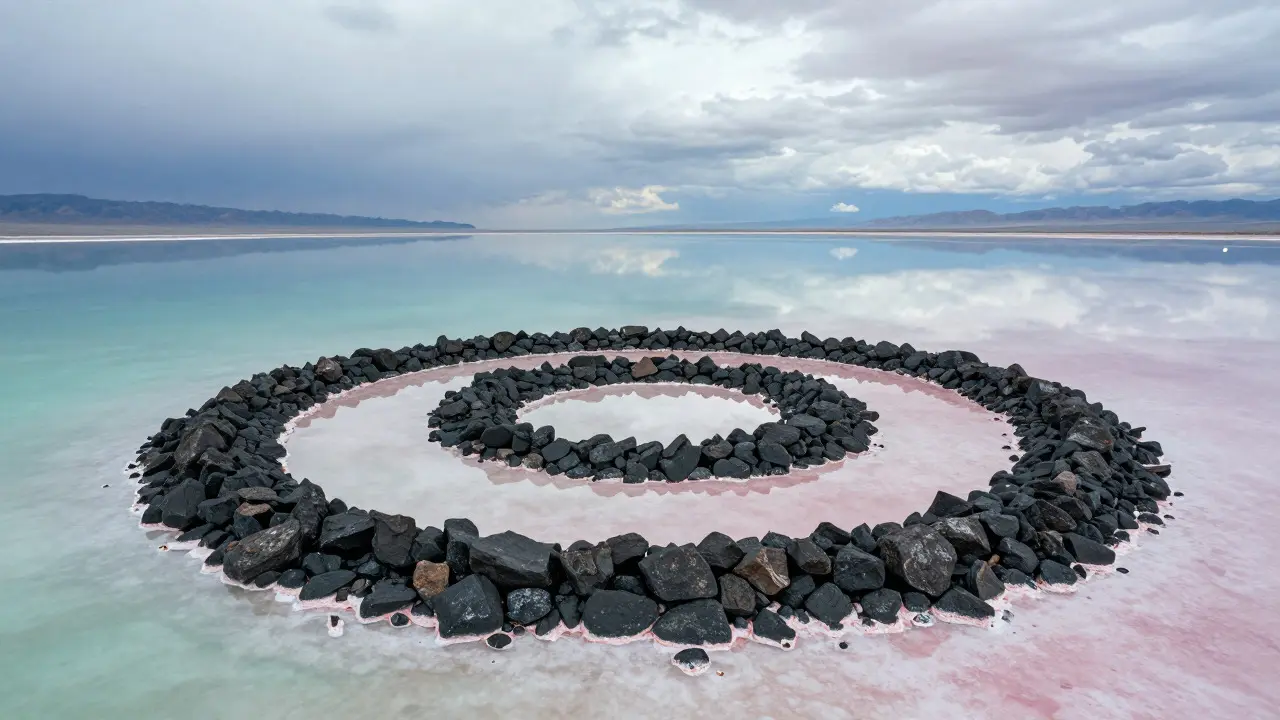
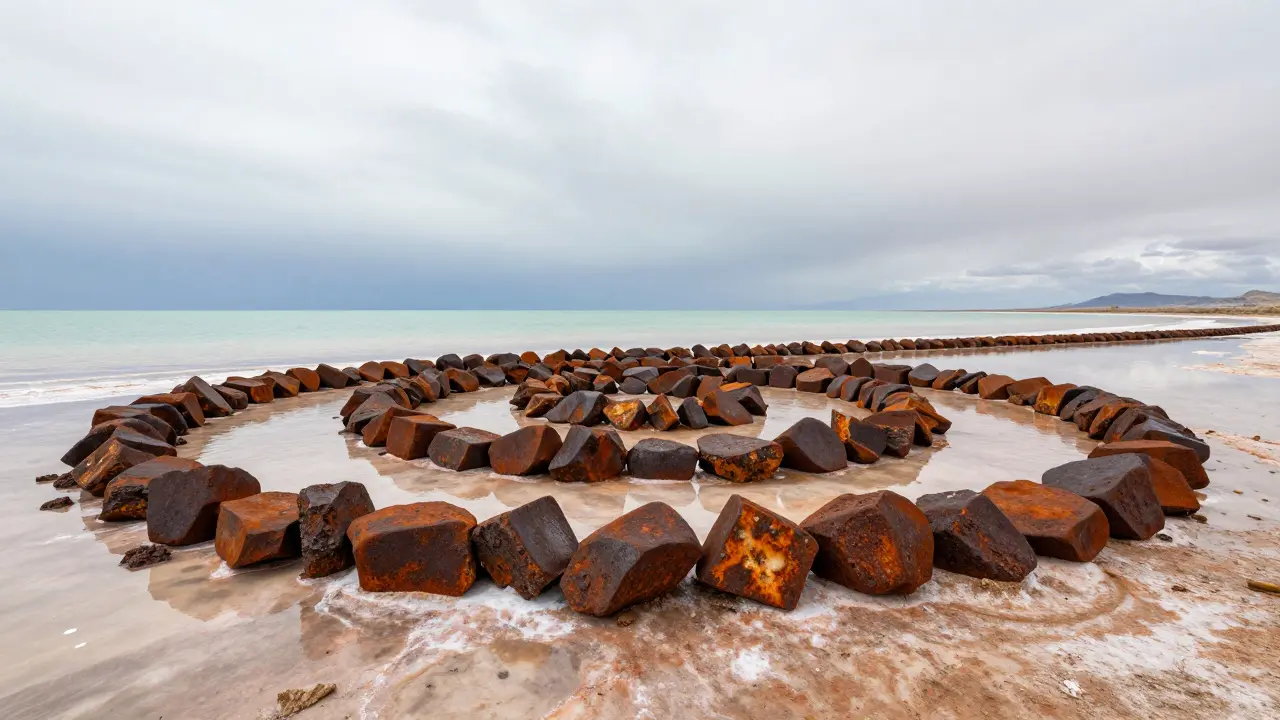
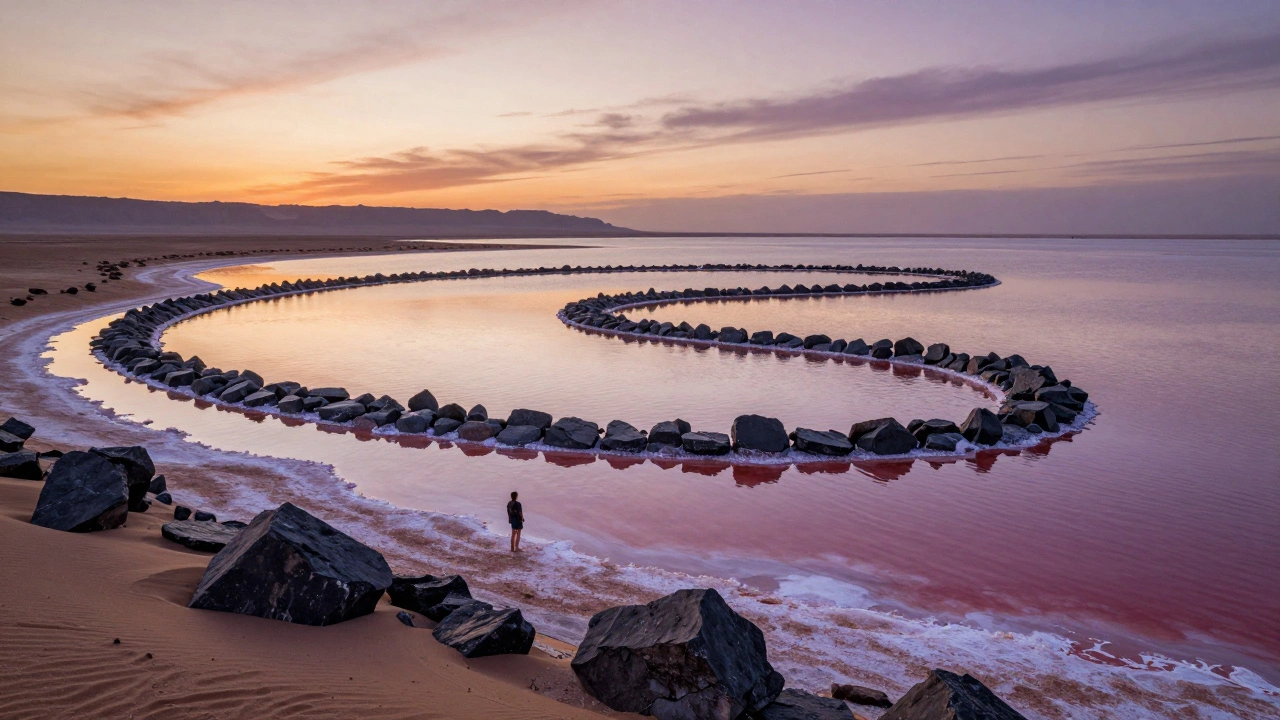
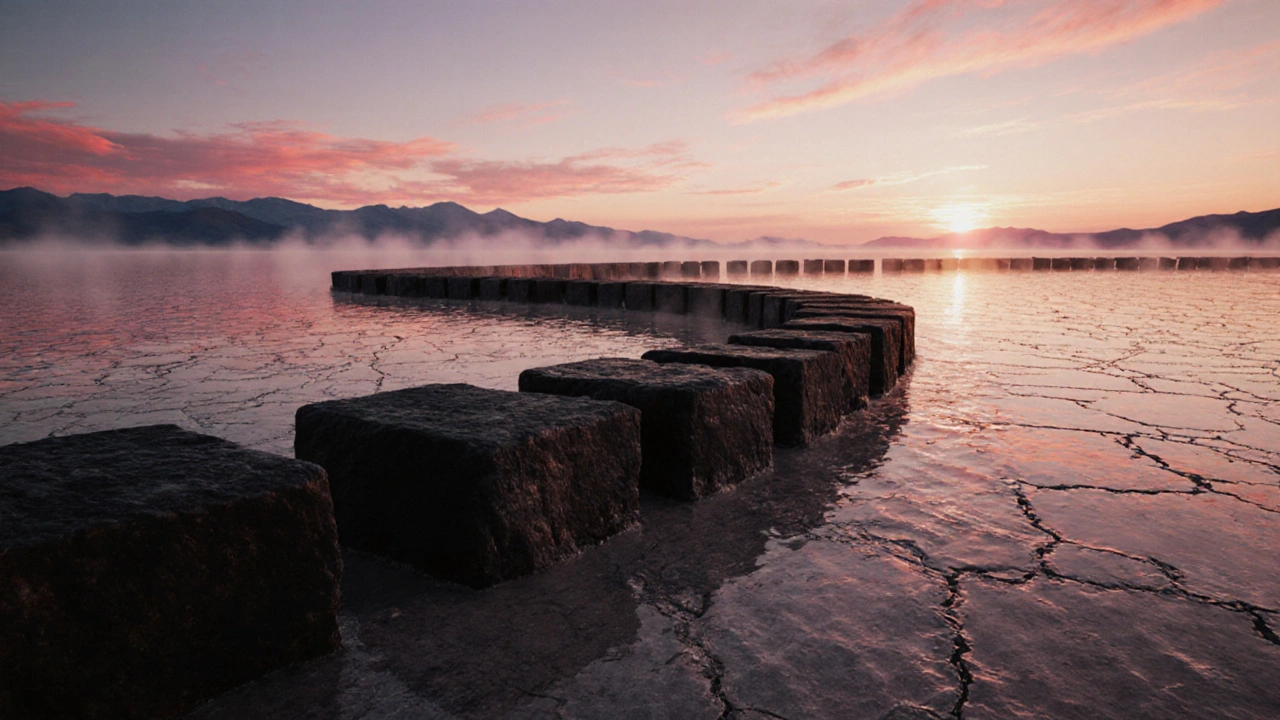
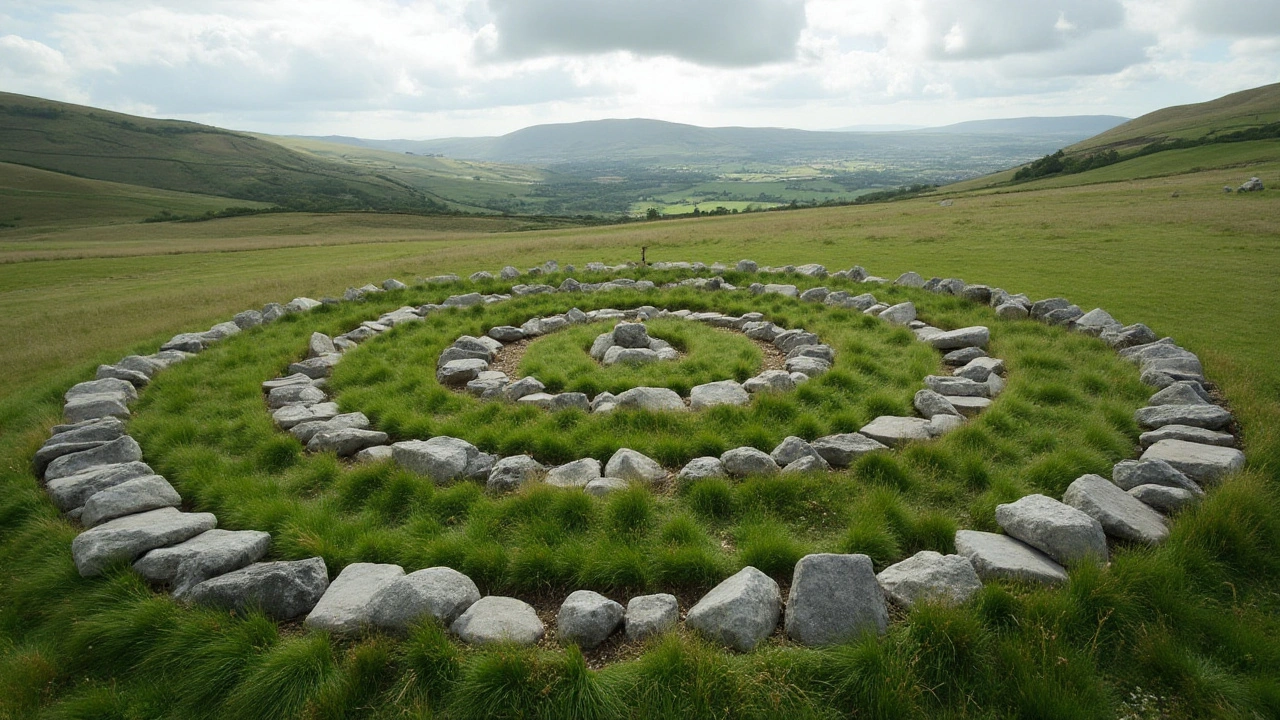
Some earthworks are huge mounds or spirals you can walk through. Others are subtle alterations: a line of stones, carved terraces, or planted patterns visible from above. Artists plan for scale, material, and how nature will alter the work. Tools range from shovels and wheelbarrows to heavy machinery for bigger projects. Many artists choose local materials to connect the piece to its place and reduce transport impact.
Besides materials and tools, permissions matter. Public land often needs permits, and site-specific works should respect local ecology and cultural sites. If you want to learn more about how earthworks interact with cities, check out our piece “Land Art’s Impact on Modern Urban Design” for practical examples of parks and plazas remade by artists.
How to see, photograph, or make your own earthwork
Visiting: Earthworks are best seen in person, but plan ahead. Check access rules, parking, and seasonal conditions. Early morning and late afternoon give the best light and fewer crowds. For aerial views, some sites reveal patterns only from a high point — a hill or drone (if permitted).
Photographing: Use a wide lens for scale shots and a telephoto to pull out details in textures. Include a person or object for scale. Bring sturdy shoes and a weatherproof bag; many sites are rough and exposed.
Making small earthworks: Start small on private land or a community garden. Pick a clear idea: a shape, pathway, or plant pattern. Use local soil, avoid invasive plants, and expect change. Test with sketches and simple models first. If you plan a public piece, talk with land managers and local artists to handle safety and permits.
Why it matters: Earthworks force us to slow down and notice place. They mix art, ecology, and public life in ways that often surprise people. If you like immersive art, also read our articles on installation art and site-based projects to see how earthworks fit into a bigger creative trend.
Quick tips: always respect the site and leave no trace; check permissions before taking drones or heavy gear; and try visiting the same work across seasons to see how it changes. Want local examples or how-tos? Browse Paul Artistry’s posts on land art, installation art, and public design to find guides and real projects you can explore.