Conceptual Art: Why the Idea Often Matters More Than the Object
Conceptual art started as a pushback: make an idea the artwork, not a skillful object. That phrase hooks people because it overturns what many expect from art — beauty, technique, or a painting on a wall. In the 1960s and 70s artists like Sol LeWitt and Joseph Kosuth argued that the concept could be the main work. That didn't mean craft vanished; it meant the making served a message or question.
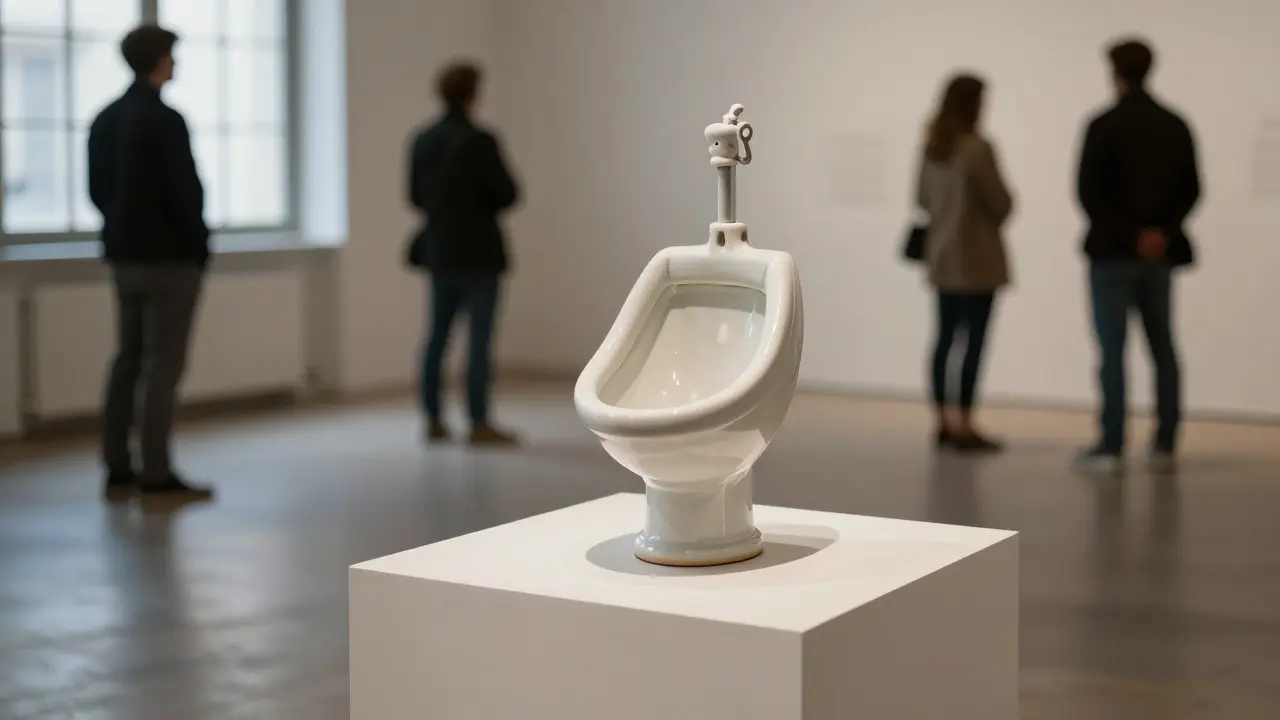
If you want to understand conceptual art, ask: what idea is the artist testing? Sometimes the piece is a written instruction, a performance, a read-aloud, or even an empty room labeled as art. These choices force you to think, not just look. For example, Instruction-based works ask viewers to follow steps; site-specific pieces turn a place into a statement; readymades take everyday objects and change their meaning by placing them in a new context.
How do artists plan conceptual work?
Start with a clear question. Good projects begin with a tight, simple question: What counts as value? Who owns an idea? Can an object speak for a system? Next, choose the format that best tests that question — text, performance, found objects, or digital files. Keep the execution honest and minimal. The trick is to make the question unavoidable for the audience.
Want to spot conceptual art in a gallery?
Look past technique and ask what the work wants you to do. Does it ask you to read, act, recall a memory, or think about politics or language? If you find a piece that is more about the setup than the object, it's probably conceptual. Also notice how documentation works: photos, instructions, and records often are part of the piece. The art sometimes exists only as a set of instructions or as a remembered action.
Practical tips if you make conceptual art: start small. Test an idea with a short performance, a text piece, or a site-specific gesture. Document everything—notes, photos, receipts—because documentation often becomes the public face of the work. Work with collaborators when the idea needs other skills. Finally, expect debate. Conceptual art provokes questions about value, authorship, and the role of galleries and museums. That argument is part of the work.
How conceptual art connects to other movements? It sits next to Fluxus, Duchamp’s readymades, and later installation practices. You’ll see overlaps with installation art, performance, and avant-garde design ideas like Bauhaus or Constructivism when artists use space, text, or everyday objects to push a point. Museums now show instructions, videos, and objects together to build the idea.
If you want a quick exercise: write a single sentence that questions something art usually does well—beauty, craft, or ownership. Then choose the simplest way to make that sentence public. Keep it clear, keep it honest, and let the idea do the heavy lifting.
Curious where to read more? Check essays on Fluxus, installation art, and instruction-based works. Try reading artist statements and exhibition notes; they often show the core idea and how it grew into a public work.