Post-Impressionism: How to Spot It, Key Artists & Simple Studio Tips
Post-Impressionism blew past pretty light studies and turned painting into a tool for feeling, structure, and idea. If a painting grabs you with bold color, odd shapes, or visible brushwork, there's a good chance it's in that family. This page gives fast, usable pointers — who to look for, how to read the work, and quick exercises if you want to try the style.
Who the main players are — and what they did differently
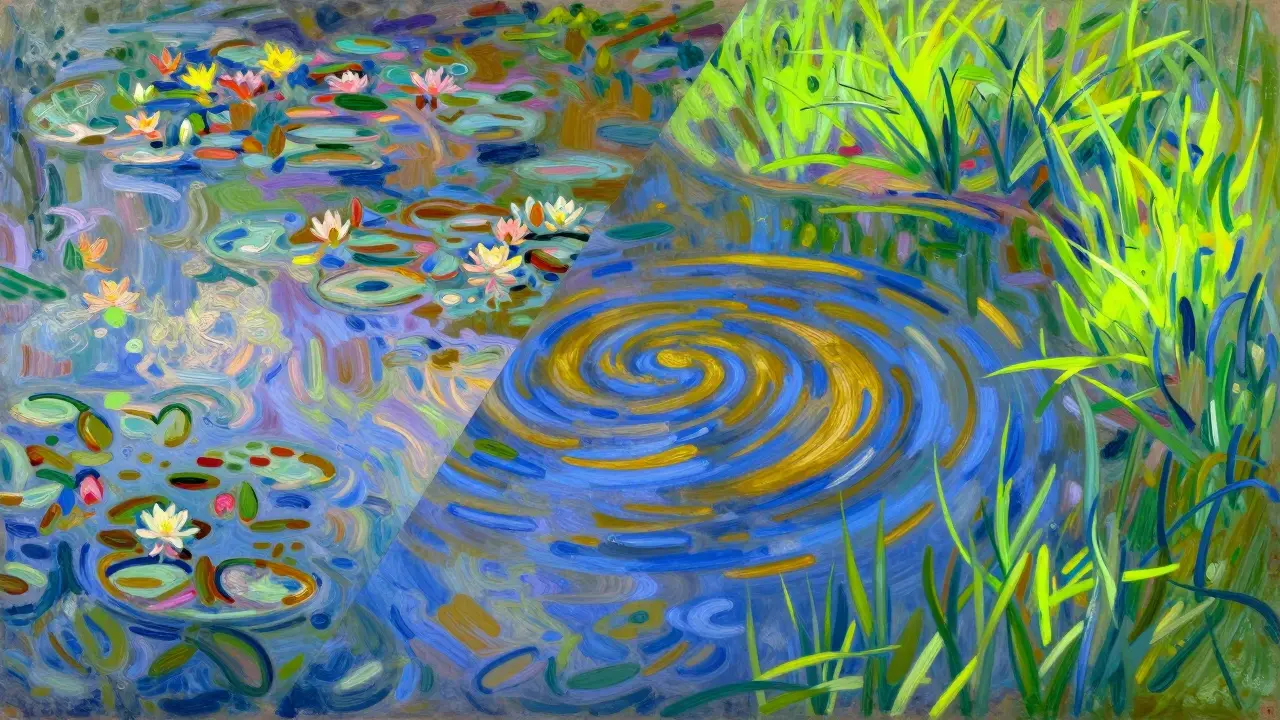
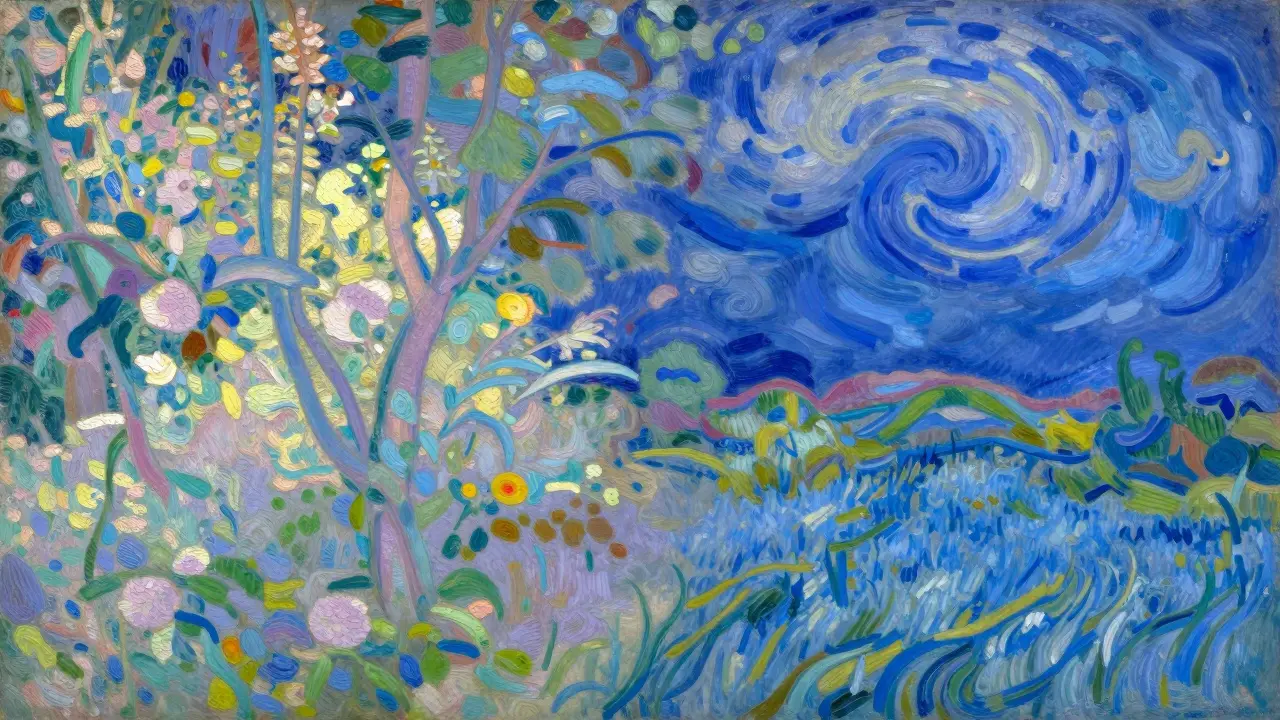
Van Gogh used thick paint and twitchy, emotional strokes. Look for swirling skies, bright yellows, and paint that sticks out from the canvas. Paul Cézanne treated nature like blocks and planes; his work feels built, not just observed — that built quality led straight into Cubism. Georges Seurat invented pointillism: tiny dots that blend at a distance to make color and light. Paul Gauguin left Europe for Tahiti and layered simple shapes, flat color, and symbolic imagery to tell stories beyond the surface.
Each artist had their own reason to move beyond Impressionism. Some wanted structure, others wanted expression or new technical tricks. What ties them together is a move from copying light to exploring color, form, and idea.
How to recognize Post-Impressionism — a short checklist
- Color used for mood, not just realism — expect unusual hues or strong contrasts.
- Visible brushwork or thick paint (impasto) that makes the surface tactile.
- Structure and form emphasized — objects reduced to geometric shapes or planes.
- Pointillism or dot techniques that resolve from a distance.
- Symbolic or personal subject matter — scenes often carry a deeper meaning.
When you visit a gallery, stand close to check the brushwork, then step back to see how color and form come together. If the painting keeps changing as you move, you're looking at deliberate technique, not accident.
Try a quick identification test: see a painting for 10 seconds, then close your eyes. What stuck — color, shape, texture? Post-Impressionist works are built to leave a clear, often emotional memory.
Want to try making Post-Impressionist work? Paint a simple scene in three steps: block in shapes with a limited palette, build form with angled strokes or planes, and finish with a bold color choice that changes the mood. Or experiment with dots: make a study entirely of small dots and step back to watch the image appear.
Curious to learn more? Check related posts on this site about Cubism, Expressionism, and Primitivism to see how Post-Impressionism fed later movements. If you want suggestions for famous works to look up, start with Van Gogh's Starry Night, Seurat's A Sunday on La Grande Jatte, Cézanne's Mont Sainte-Victoire, and Gauguin's Tahitian pieces.
Read, look closely, and try a quick study — that's the fastest way to understand why Post-Impressionism still matters.