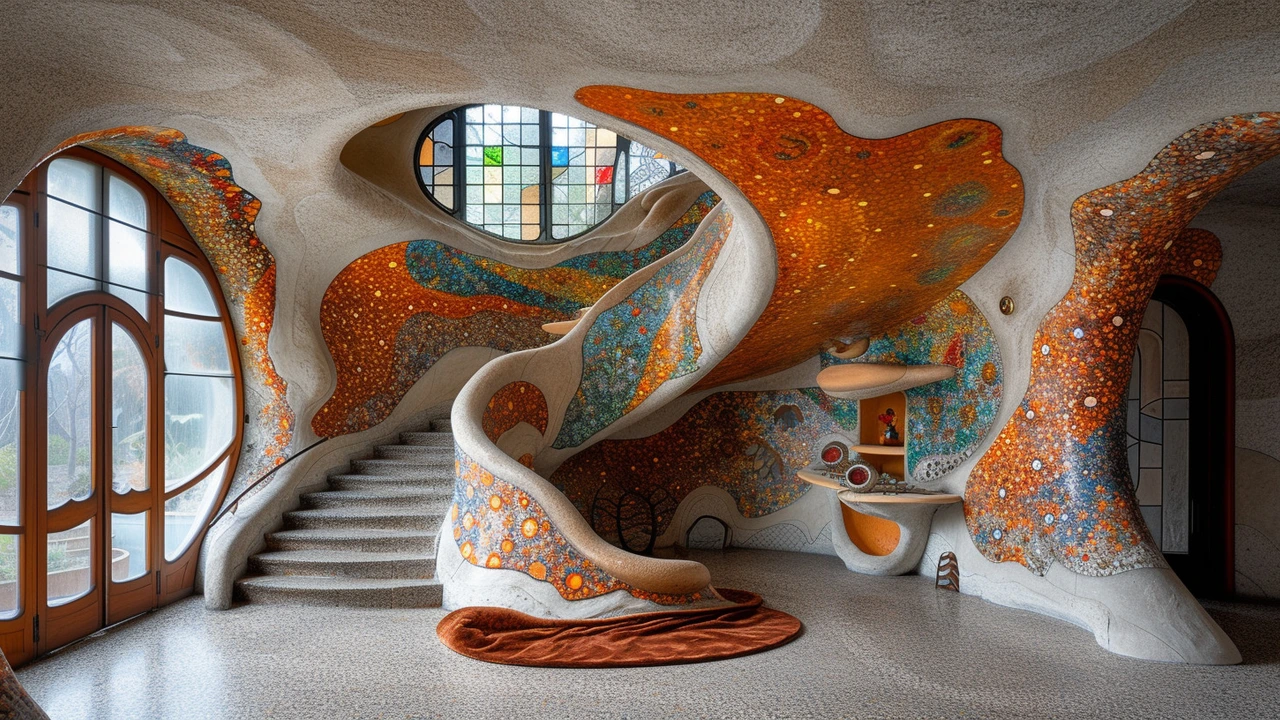
Decorative Arts: Make Everyday Objects Look Like Art
Decorative arts are the small things that change how a room feels—vases, lamps, textiles, ceramics, and even doorknobs. They’re not just pretty; they set mood, tell a story, and pull a room together. Want your space to look thought-out without spending a fortune? Start here.
Why decorative arts matter
Think about the last time a handmade bowl or an unusual lamp caught your eye. That moment is decorative art at work. These items give personality where paint and furniture can’t. They can make a plain shelf interesting, rescue a dull corner, or make a compact apartment feel curated.
Decorative pieces also bridge history and style. A carved frame or a patterned textile connects you to a craft tradition. If you like bold looks, check avant-garde home décor ideas for daring choices. Prefer clean lines? Bauhaus pieces bring function and calm. Mixing eras—say a Baroque mirror with a modern lamp—creates contrast that feels intentional, not accidental.
How to use decorative arts at home
Start with scale. A tiny object on a large shelf gets lost. Group small items into odd-numbered clusters (three or five) and include at least one taller piece to create a focal point. For a coffee table, pick one statement object and pair it with two flatter items like a book and a tray.
Think texture and color. If your room is mostly smooth surfaces, add a tactile piece—woven baskets, a ceramic vase, or a hand-stitched pillow. For neutral rooms, a single colorful ceramic or print can be enough. If your walls are busy, choose simple objects so things don’t fight for attention.
Use function as design. Decorative art doesn't have to be fragile or unused. A handcrafted bowl that holds keys, a sculptural lamp that also lights a corner, or a patterned rug that anchors a seating area all marry beauty and purpose.
Shop with a plan. Start by browsing local craft markets, thrift shops, and online artisan platforms. Look for pieces with visible maker marks or handwork—those details add value and story. If budget is tight, pick one high-impact item and fill the rest with inexpensive finds grouped together.
Care matters. Many decorative pieces are fragile or need simple upkeep—dusting, occasional polishing, or avoiding direct sunlight. A little care keeps them looking intentional instead of neglected.
Want inspiration? Read related posts on Paul Artistry like Avant-Garde Home Décor, Baroque Revival ideas, or Bauhaus Design to see how different styles use decorative arts. Try one new piece this month—a small change can shift the whole vibe of a room.
Decorative arts aren’t about copying a catalog. They’re about picking objects that mean something to you and arranging them so your space feels like you. Start small, stay curious, and have fun with it.