Artistic Freedom: Simple Ways to Make Work That Feels True
What would you make if no one could tell you it was wrong? Artistic freedom isn't about chaos — it's about choosing what matters and committing to it. You don't need permission to try new styles, mix genres, or scrap a piece that isn't working. The point is to build habits that push your edge and keep you honest to your vision.
Practical steps to open up your creativity
Start small and concrete. Pick one of these that fits your schedule and do it today.
- Set a short deadline: A 30–60 minute limit forces choices and cuts perfectionism. Try a one-hour study where you only use three colors.
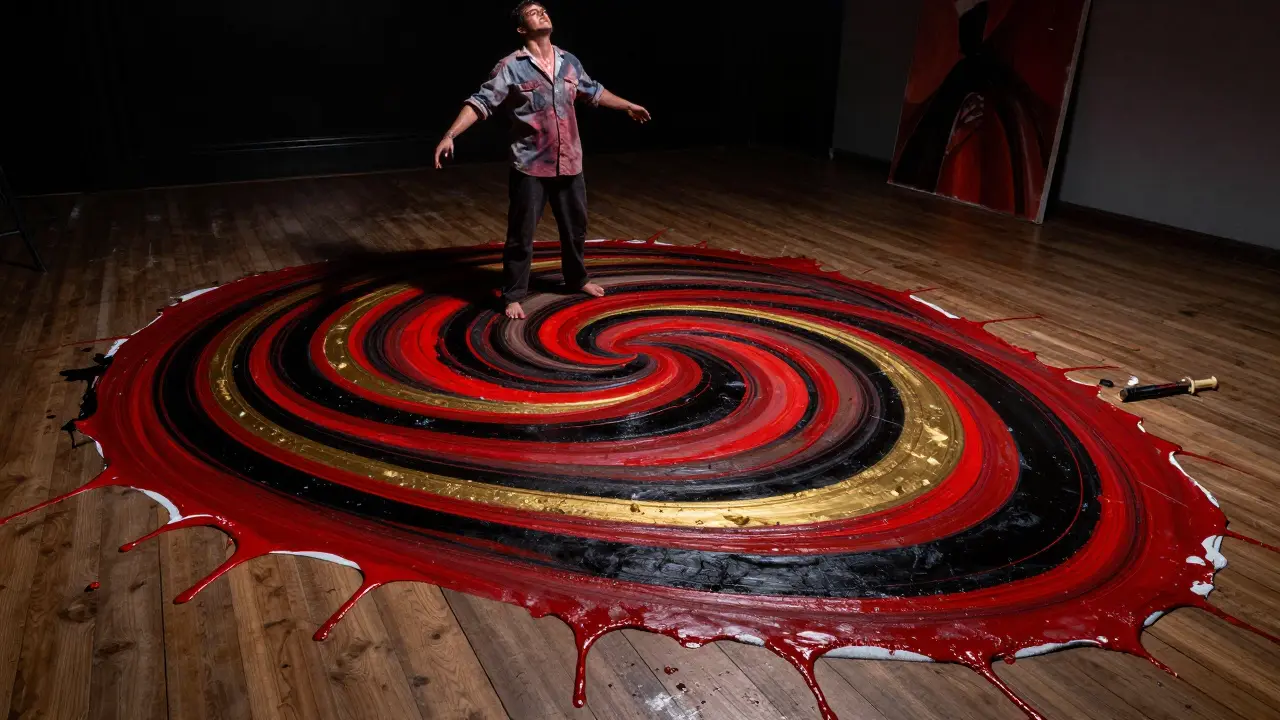
- Copy then change: Recreate a work you admire — like a photorealism study or an Abstract Expressionist piece — then alter one key thing: color, scale, or medium. That teaches technique and helps you find your twist.
- Mix two movements: Combine ideas from different posts you like — say, land art’s outdoor scale with Bauhaus’s simple forms — and sketch three quick concepts that blend them.
- Limit materials: Work with what’s on hand. Limiting tools often boosts inventiveness more than new gear does.
- Make public work small: Try a Fluxus-style performance or a tiny installation in a local cafe. Low stakes, real audience feedback.
These moves are practical, repeatable, and teach you to trust decisions. They let you test what feels right without overthinking.
Dealing with fear, feedback, and staying true
Fear shows up as editing before the work is finished. Try this: finish a rough version, then lock it away for 48 hours. When you return, you’ll see what to keep and what to change. For feedback, ask one clear question — "Does this read as energetic?" — instead of "Do you like it?" Specific questions give useful answers.
Protect your voice by separating who you are from each piece. A bad review doesn't erase your reasons for making art. Keep a short notebook of why you started a project: technique to learn, emotion to express, or rule to break. When choices feel messy, that note guides you back.
Finally, learn from the extremes. Read about photorealism to sharpen technique, then study Abstract Expressionism or Fluxus to loosen control. Mix lessons: precision trains your hand; expressive risk frees your ideas. Try one experiment this week — a timed study, a mixed-genre sketch, or a tiny public piece — and notice how quickly your options expand.
Want a quick next step? Recreate a small photorealistic detail, then rework it into something abstract. That single exercise connects skill-building with fearless change — and it's a clear starter for real artistic freedom.