Motion in Art: How Movement Brings Art to Life
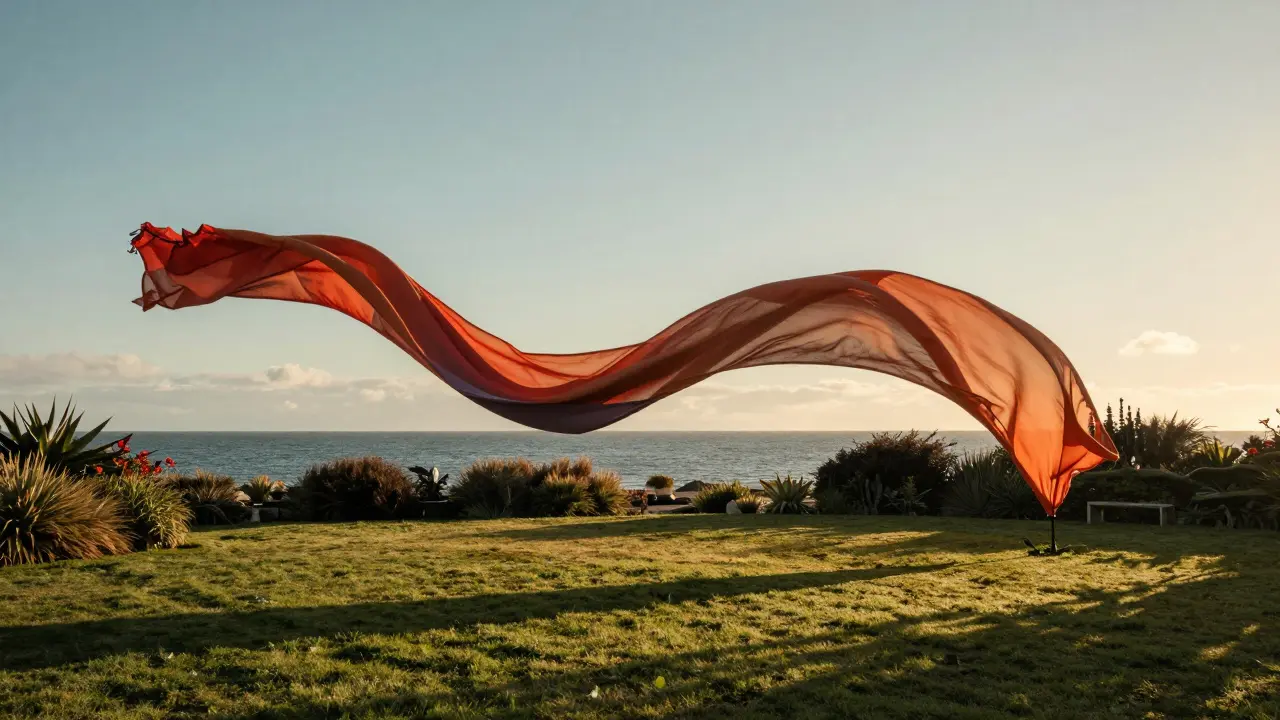
When we talk about motion in art, the deliberate use of movement—real or implied—to create energy, emotion, and life in visual works. Also known as artistic movement, it’s what makes a painting feel like it’s breathing, a sculpture seem to sway, or an installation respond to the wind. This isn’t just about spinning parts or motorized pieces. It’s about how artists trick your eyes, guide your gaze, and make still images feel like they’re in motion.
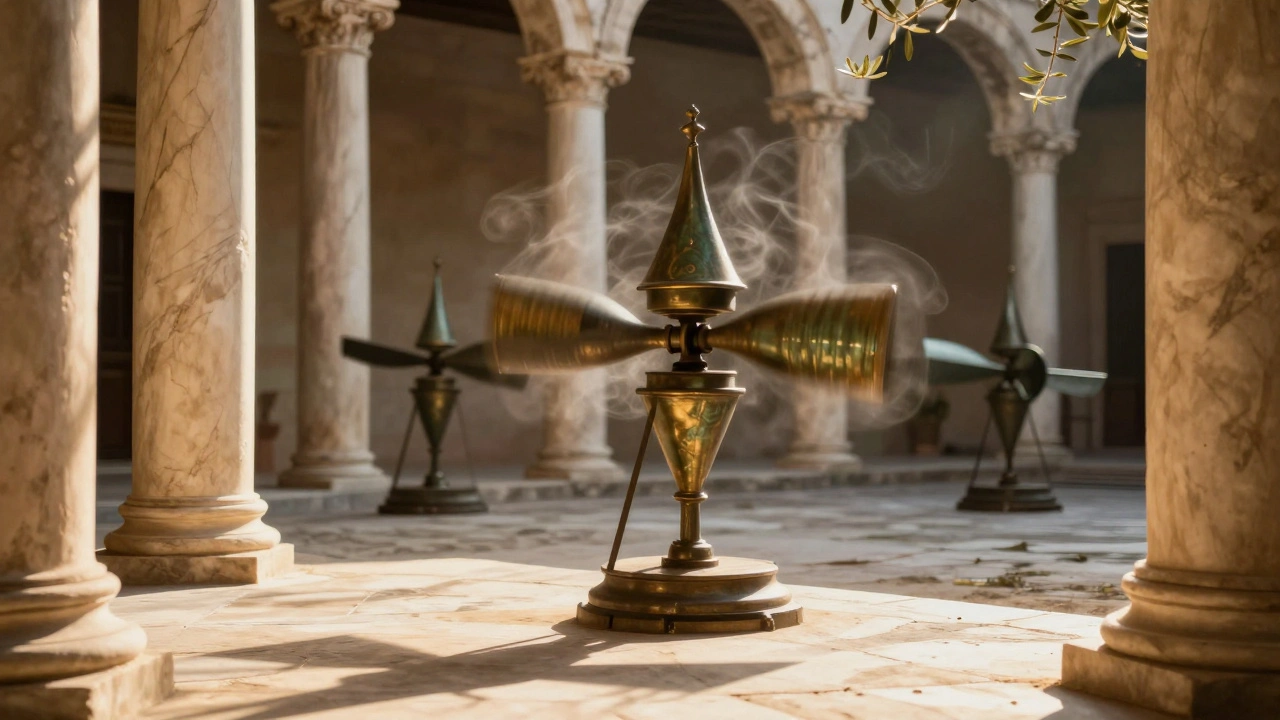
Take kinetic art, sculptures that physically move using wind, water, or mechanical force. Also known as moving sculpture, it turns art from something you look at into something you experience. Artists like Alexander Calder and Jean Tinguely built machines that dance, sway, or clank—blending physics with poetry. Then there’s the kind of motion you can’t touch: the swirl in a Van Gogh sky, the blur in a Degas dancer’s skirt, or the diagonal lines in a Futurist painting. These aren’t real movements, but your brain reads them as such. That’s implied motion, the illusion of movement created through composition, line, and rhythm. It’s how a static image can feel like it’s rushing forward, spinning, or falling.
Motion in art doesn’t live only in galleries. It’s in the way a street mural seems to pulse under city lights, how land art shifts with the seasons, and how modern installations react to your footsteps. It’s why you stop and stare at a piece—not because it’s pretty, but because it feels alive. The posts below dive into exactly that: how artists use wind, light, structure, and perception to make art move. You’ll find deep dives into kinetic installations, the physics behind dynamic sculptures, and how even the quietest paintings hold hidden motion. Whether you’re an artist trying to capture movement or just someone who’s ever felt a painting "come alive," this collection gives you the tools to see it—and feel it—differently.