Impressionism: The Brushstrokes That Changed Art Forever
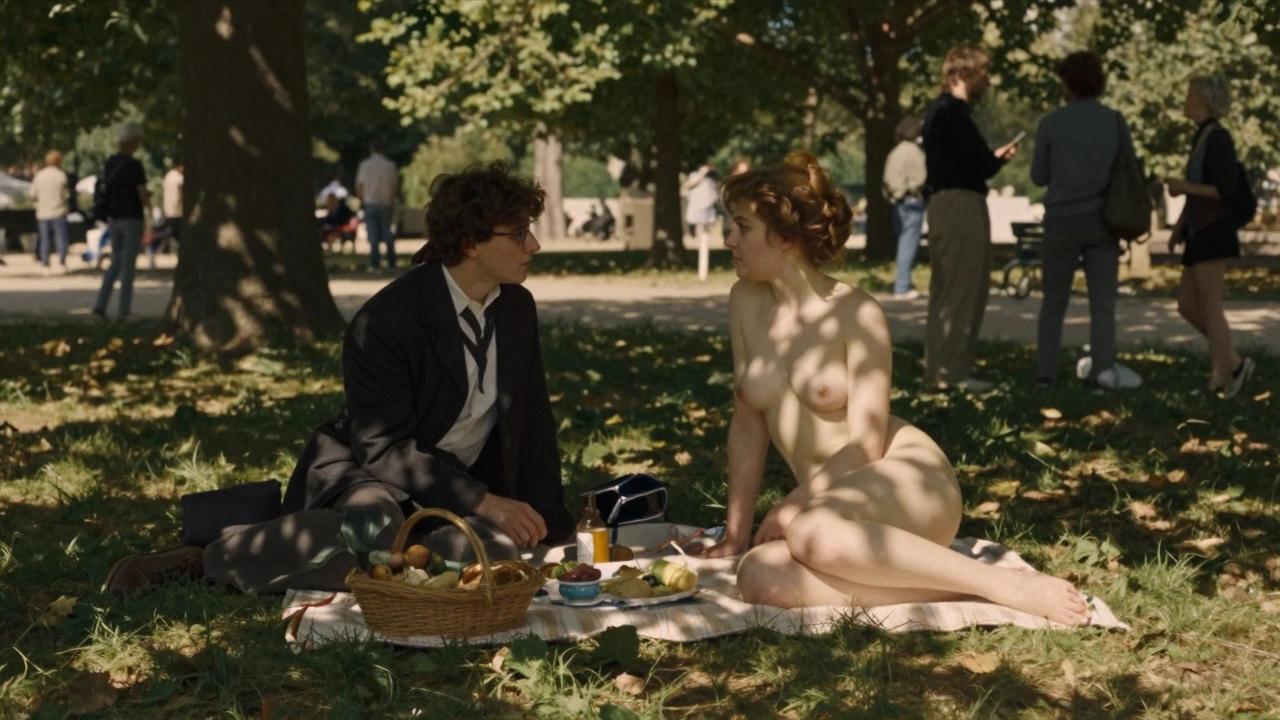
When you think of Impressionism, a 19th-century art movement that captured fleeting moments of light and everyday life through loose brushwork and vibrant color. Also known as modern painting’s first rebellion, it didn’t just change how art looked—it changed how we see the world. Before Impressionism, paintings were polished, staged, and made for museums. Artists spent months in studios, perfecting every detail. Then came a group of painters who grabbed their easels, walked outside, and painted what they saw right then—the way sunlight hit a river, how shadows moved across a sidewalk, the blur of a woman walking in a dress. They didn’t wait for perfection. They chased the moment.
This wasn’t just a style. It was a mindset. Claude Monet, the painter who made water lilies into a lifelong obsession and turned light itself into his subject didn’t care if his brushstrokes looked unfinished. He cared if the painting felt alive. Pierre-Auguste Renoir, who painted people laughing, dancing, and soaking up the sun with warmth and color made ordinary moments feel sacred. And they weren’t alone. Artists like Degas captured dancers mid-movement, Morisot painted quiet interiors with soft light, and Pissarro turned country roads into poetry. They painted outdoors—what’s called plein air painting, the practice of painting directly in nature, often in changing light—because they knew no studio could copy the way sunlight dances on water or how a cloud shadows a field in seconds.
They were rejected. Critics called their work sloppy. Galleries refused them. But they kept going. Why? Because they weren’t trying to impress the academy. They were trying to feel the world. And that’s what makes Impressionism still matter today. It’s not about perfect lines or perfect details. It’s about presence. About noticing the way a coffee cup glows in morning light, or how a child’s laugh looks in motion. The posts below show you how this movement still echoes—in how we photograph moments, how designers use color, how modern artists chase emotion over perfection. You’ll find pieces that trace its roots, its rebels, and the quiet ways it still shapes how we look at the world around us.