Baroque art: how to spot its drama and why it still matters
Baroque art grabs you. It’s the style that trades calm balance for movement, bold light, and emotional punch. If a painting or church makes you feel like you’re part of the action—arms reaching, curtains billowing, light slicing through shadow—you’re probably looking at Baroque.
What makes Baroque art stand out
Start with light. Artists like Caravaggio used chiaroscuro and tenebrism — strong contrasts between light and dark — to focus attention and heighten emotion. Faces and hands often pop out of near-black backgrounds. Movement is next: figures twist in diagonal compositions, not stiff front-facing poses. That energy pulls your eye across the scene, creating a story that feels live and immediate.
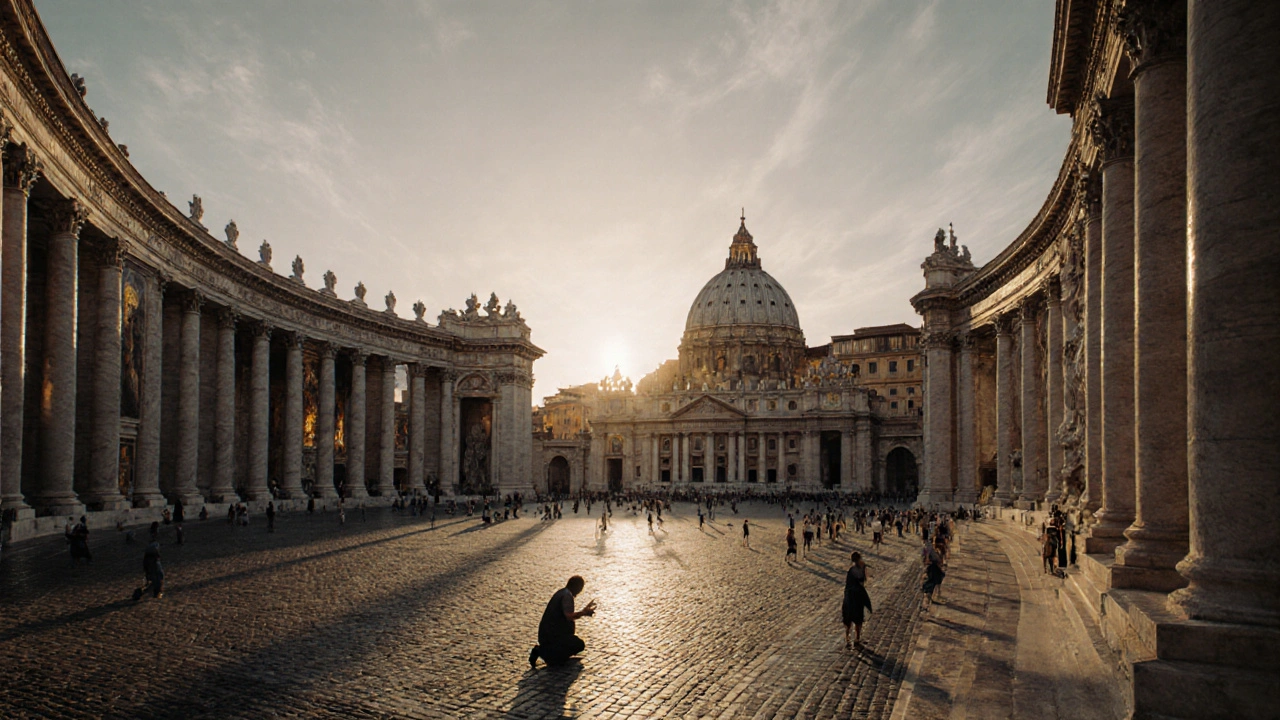
Baroque is also big on theatrical details. Look for sweeping drapery, dramatic gestures, and crowded compositions that push perspective forward. Painters such as Peter Paul Rubens packed canvases with color and muscular motion. Sculptors like Bernini carved dynamic scenes where marble seems to breathe and move. In architecture, Baroque churches use curved surfaces, dramatic stairways, and ornate decoration to create a sense of wonder as you walk through.
Names worth remembering: Caravaggio for raw drama and shadow; Bernini for kinetic sculpture and architecture; Rubens for color and action; Rembrandt for intimate yet powerful lighting. Each approached emotion and storytelling in a slightly different way, but all shared the same appetite for intensity.
How to experience and use Baroque today
Want to recognize Baroque in a museum? Check the Prado, the Vatican Museums, the Louvre, or the Rijksmuseum—each holds strong Baroque collections. Stand back and then move closer: the composition will often reveal hidden gestures or focal points you missed from afar.
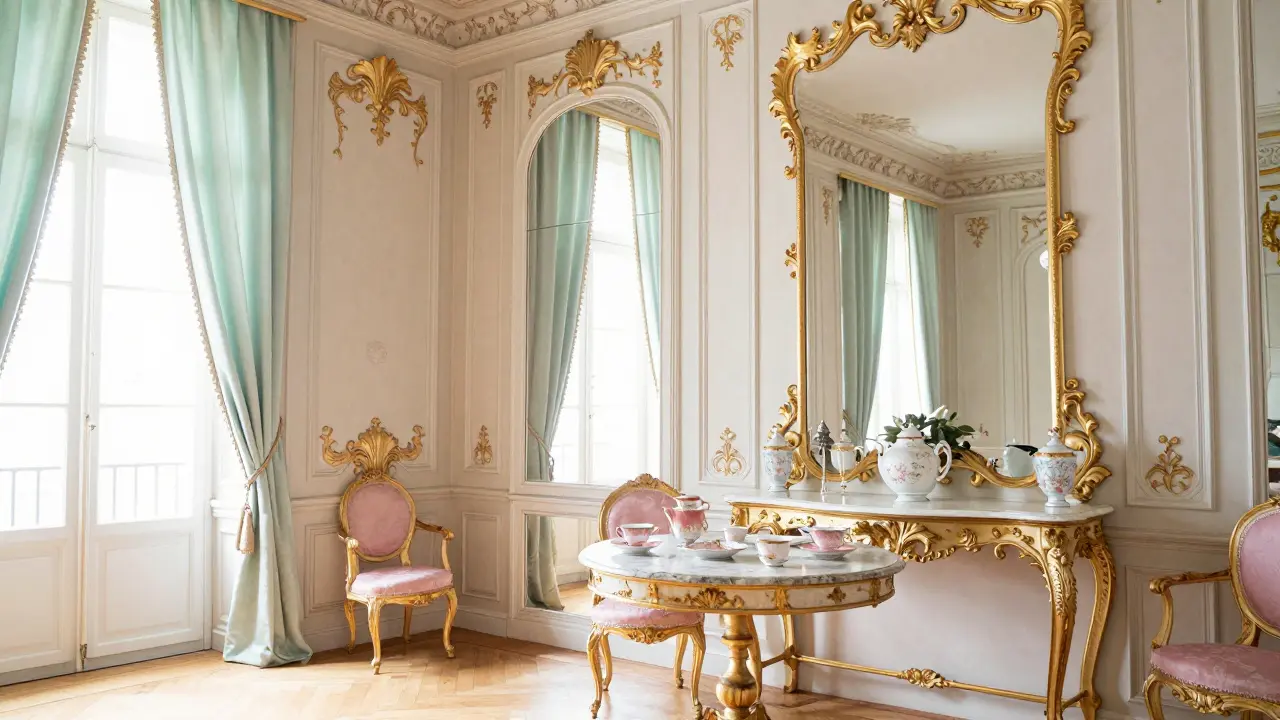
Bringing Baroque into your space doesn’t mean copying a palace. Add one dramatic element: a carved mirror, a richly framed painting, or a chandelier with strong directional light. Use deep colors, layered textures, and a single bold spotlight to recreate that theatrical mood without overdoing it. If you like modern twists, read our piece “Baroque Revival: Bringing Classic Style into the Present” for practical mixing tips.
If you’re collecting, focus on quality over quantity. A single convincing Baroque-era print or a well-chosen reproduction can anchor a room. For study, compare a Caravaggio to a Rubens side by side—notice how both use light and motion but tell different stories. That comparison sharpens your eye faster than reading descriptions.
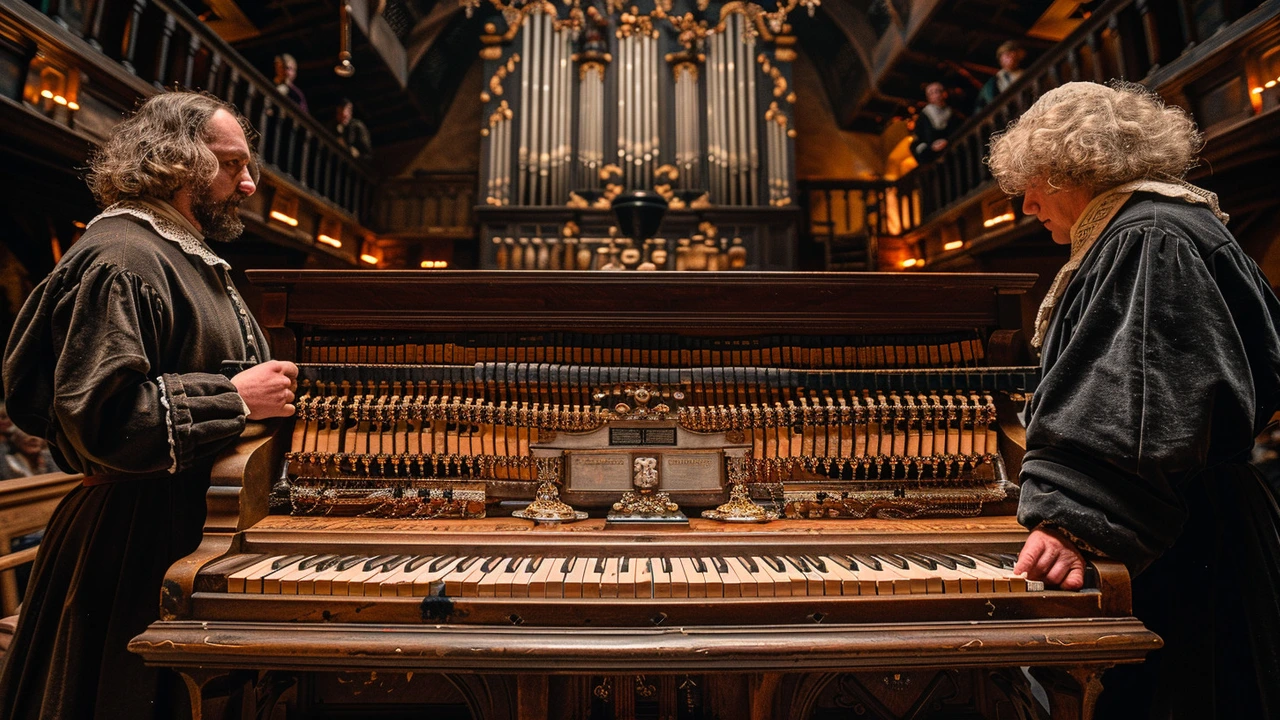
Baroque art still shows up in films, music scores, and interior trends because it knows how to move people. When you want drama, mystery, or a sense of grandeur, Baroque rules are simple: use contrast, build movement, and aim for emotion that hits hard and fast.