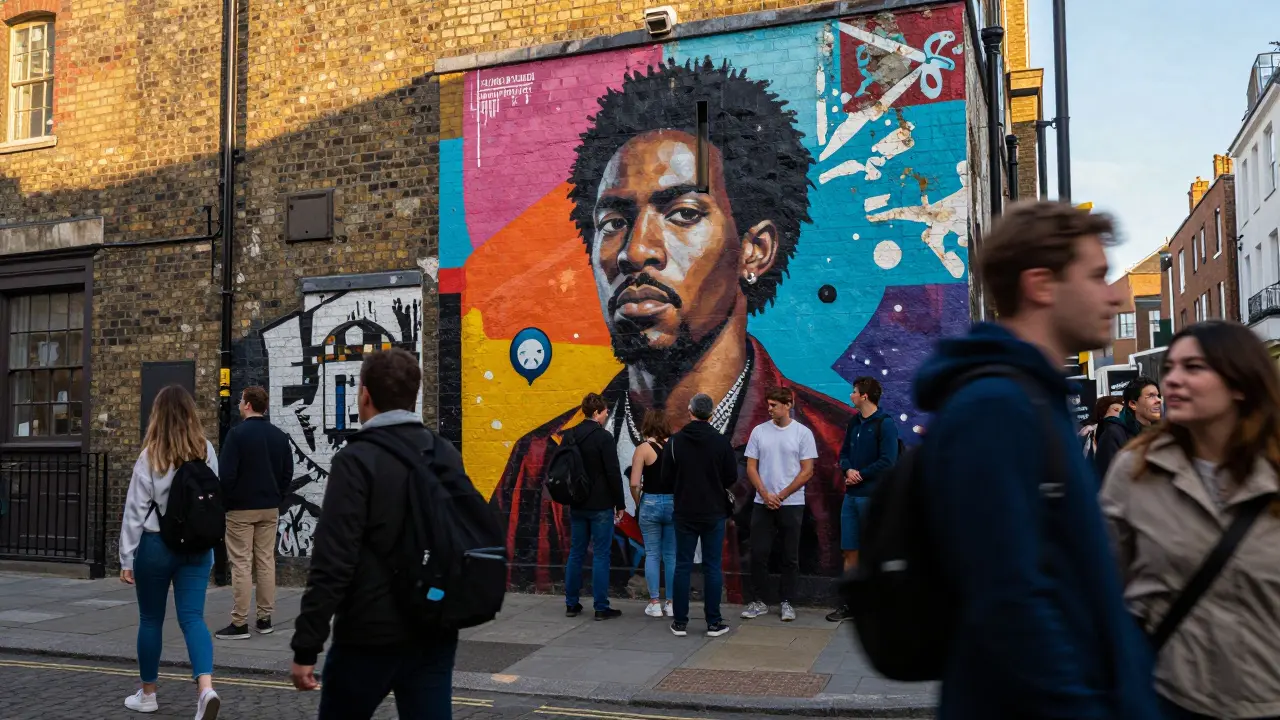
Walk down any major avenue in Portland, London, or Berlin, and you will likely stumble upon a mural that stops you in your tracks. It might be a vibrant portrait of a local hero, a surreal landscape painted on a brick wall, or a witty stencil commenting on current events. This is street art, a dynamic form of visual expression that has evolved from underground rebellion to a cornerstone of urban cultural identity and social commentary. Unlike gallery art, which often feels exclusive and distant, street art lives where we live. It forces a conversation between the creator and the passerby, bridging the gap between high society and everyday creativity.
The Evolution from Vandalism to Cultural Asset
To understand how street art bridges societal gaps, we have to look at where it came from. In the late 1960s and early 1970s, figures like Keith Haring and Jean-Michel Basquiat began using public spaces to challenge the status quo. At the time, this was largely seen as vandalism-a criminal act rather than an artistic one. The city governments fought back with pressure washing and harsh fines.
However, the tide turned as communities began to reclaim their neighborhoods. By the 1980s, hip-hop culture brought graffiti into the mainstream consciousness, highlighting its role as a voice for marginalized groups. Fast forward to today, and cities like Melbourne and Lisbon actively curate street art tours. This shift marks a critical change in perception: what was once erased is now preserved. This evolution allows street art to serve as a historical record of social movements, making history accessible to everyone, not just those who can afford museum tickets.
Democratizing Access to Art
One of the most powerful ways street art connects people is by removing barriers. Traditional art institutions often require specific knowledge, dress codes, or financial resources to access. A ticket to a major exhibition can cost upwards of $30, excluding travel and time off work. Street art costs nothing. It is available 24/7 to anyone walking, biking, or driving past.
This accessibility democratizes the creative experience. When a resident sees a mural reflecting their own struggles or joys on the side of a building, they feel seen. For example, during the pandemic, murals honoring healthcare workers appeared overnight in cities worldwide. These weren't commissioned by corporations; they were spontaneous acts of gratitude from artists wanting to lift community spirits. This direct line of communication fosters a sense of shared humanity that galleries rarely achieve.
Community Engagement and Local Identity
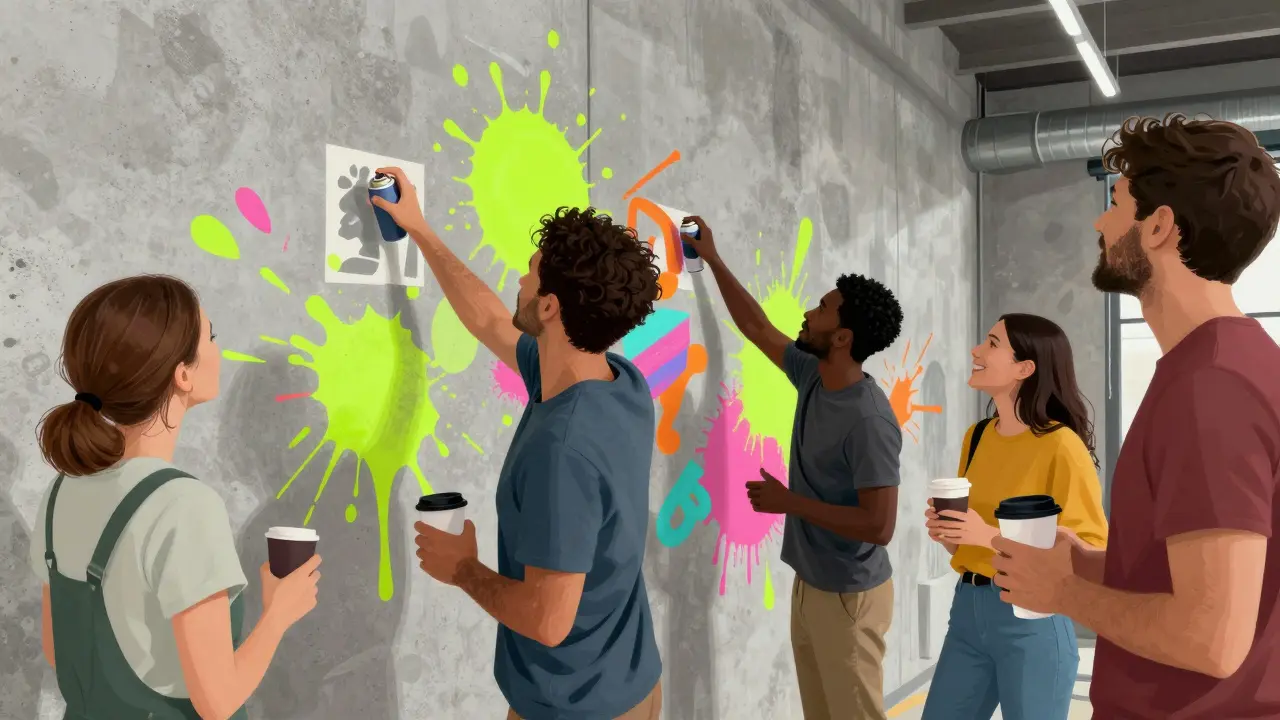
Street art is no longer just about individual expression; it is increasingly about community collaboration. Many modern projects involve local residents in the planning and painting process. This participatory approach transforms a blank wall into a canvas for collective memory.
- Neighborhood Revitalization: Murals can turn neglected areas into destinations, boosting local pride and even small business revenue.
- Cultural Preservation: Artists often depict local folklore, historical figures, or indigenous patterns, keeping heritage alive in modern settings.
- Social Dialogue: Controversial topics like climate change or racial justice are addressed openly, sparking conversations among neighbors who might not otherwise discuss them.
In Portland, for instance, the annual Pow! Wow! festival brings together international artists and local volunteers. The result is a vibrant tapestry of styles that reflects the diverse makeup of the city. This collaborative model ensures that the art belongs to the community, not just the artist, strengthening social bonds and reducing alienation.
The Legal Landscape and Ethical Debates
Despite its growing acceptance, street art exists in a legal gray area. The distinction between "graffiti" (often unauthorized) and "street art" (often permitted) is blurry and subjective. This tension creates ongoing debates about property rights versus public expression.
| Approach | Permission Status | Primary Goal | Risk Level |
|---|---|---|---|
| Unauthorized Graffiti | No permission | Personal tag or message | High (legal consequences) |
| Commissioned Mural | Full permission | Beautification or branding | Low |
| Guerrilla Art | No permission | Political or social critique | Medium-High |
| Community Project | Permitted + Collaborative | Engagement and unity | Low |
Cities are responding with designated "free walls" or permit systems. While some purists argue that permission kills the rebellious spirit of street art, others believe that legalization allows for larger, more impactful works that benefit the public. Finding this balance is crucial for maintaining the authenticity of the medium while respecting private property.
Digital Integration and Global Reach
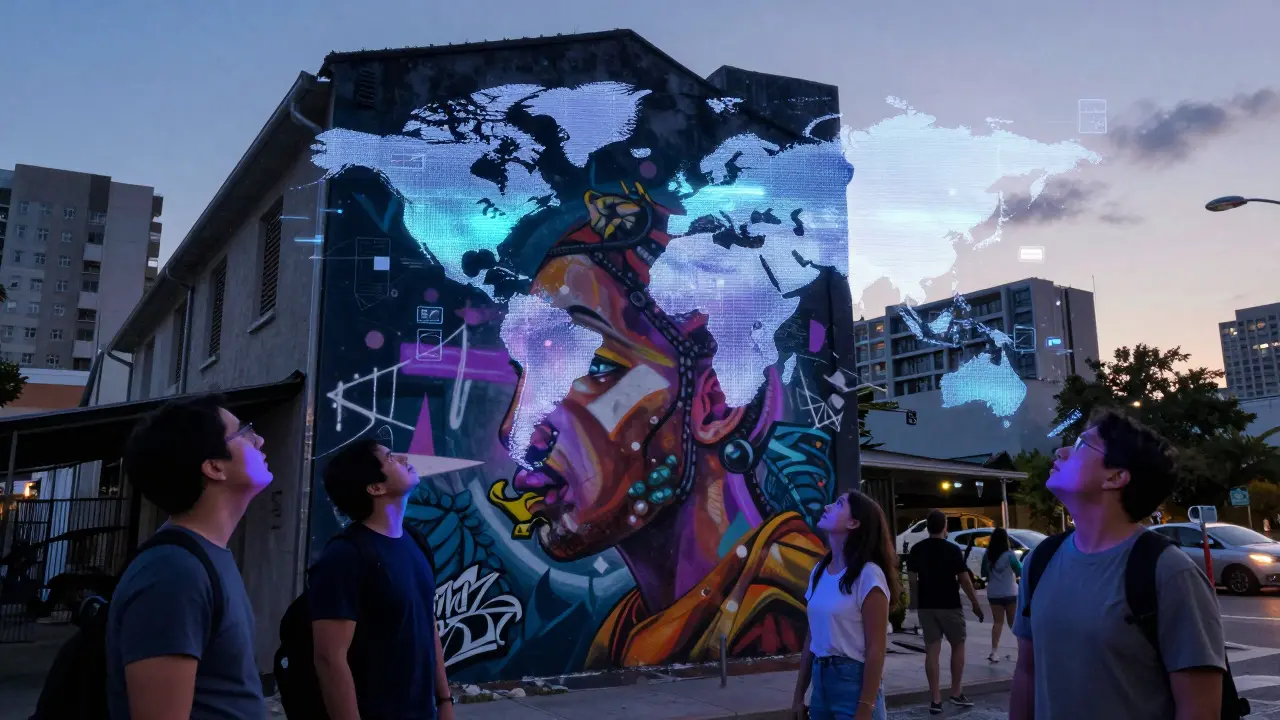
Technology has amplified the reach of street art beyond its physical location. Social media platforms like Instagram and TikTok allow users to share images of murals instantly, creating viral trends. An artist in São Paulo can gain fame in Seoul without ever leaving their neighborhood. This digital layer adds a new dimension to the art, turning local spots into global landmarks.
Moreover, augmented reality (AR) apps are beginning to overlay digital animations onto static murals, creating interactive experiences. This fusion of physical and digital art engages younger audiences and introduces them to the history and context behind the visuals. It also helps preserve ephemeral works; if a mural is painted over, its digital twin remains accessible online.
Challenges: Gentrification and Authenticity
As street art becomes more popular, it faces the risk of being co-opted by gentrification. Developers sometimes use murals to make up-and-coming neighborhoods appear trendy, attracting higher rents and displacing the very communities that inspired the art. This phenomenon, known as "art-washing," undermines the authentic connection between street art and society.
Artists and activists are pushing back by advocating for community-led initiatives and anti-displacement policies. They emphasize that true street art should reflect the voices of long-term residents, not just serve as marketing for luxury condos. Maintaining this integrity requires vigilance and ongoing dialogue between artists, residents, and policymakers.
The Future of Public Creativity
Looking ahead, street art will continue to evolve as a vital tool for social cohesion. As urban populations grow, the need for expressive, inclusive public spaces increases. We can expect more interdisciplinary projects combining art with technology, sustainability, and education. Schools are already integrating street art into curricula to teach students about civic engagement and creative problem-solving.
Ultimately, street art reminds us that creativity is not confined to elite circles. It is a fundamental human impulse that thrives in the open, connecting strangers through shared visual language. Whether it’s a small sticker on a bus stop or a massive mural spanning a skyscraper, every piece invites us to pause, reflect, and engage with the world around us.
Is all street art legal?
No, not all street art is legal. Unauthorized painting on private or public property without permission is considered vandalism in many jurisdictions. However, many cities now offer permits, designated walls, or commission programs that allow artists to create legally.
How does street art differ from graffiti?
While the terms are often used interchangeably, graffiti typically refers to stylized lettering or tags created for personal recognition, often without permission. Street art usually involves imagery, stencils, or murals intended to convey a message or aesthetic appeal to a broader audience, and it is more likely to be permitted or commissioned.
Can street art increase property values?
Yes, high-quality street art can boost property values by making neighborhoods more attractive and vibrant. However, this can also lead to gentrification, displacing original residents. The impact depends on whether the art is community-driven or imposed by developers.
How can I support local street artists?
You can support street artists by attending local festivals, purchasing prints or merchandise directly from them, sharing their work on social media, and advocating for public funding for arts programs. Engaging respectfully with the art and the community also helps sustain the culture.
What materials do street artists commonly use?
Common materials include spray paint, acrylics, brushes, rollers, and stencils. Some artists also use wheatpaste posters, chalk, stickers, or yarn bombing (knitted installations). The choice of material often depends on the surface, desired effect, and speed of execution.