
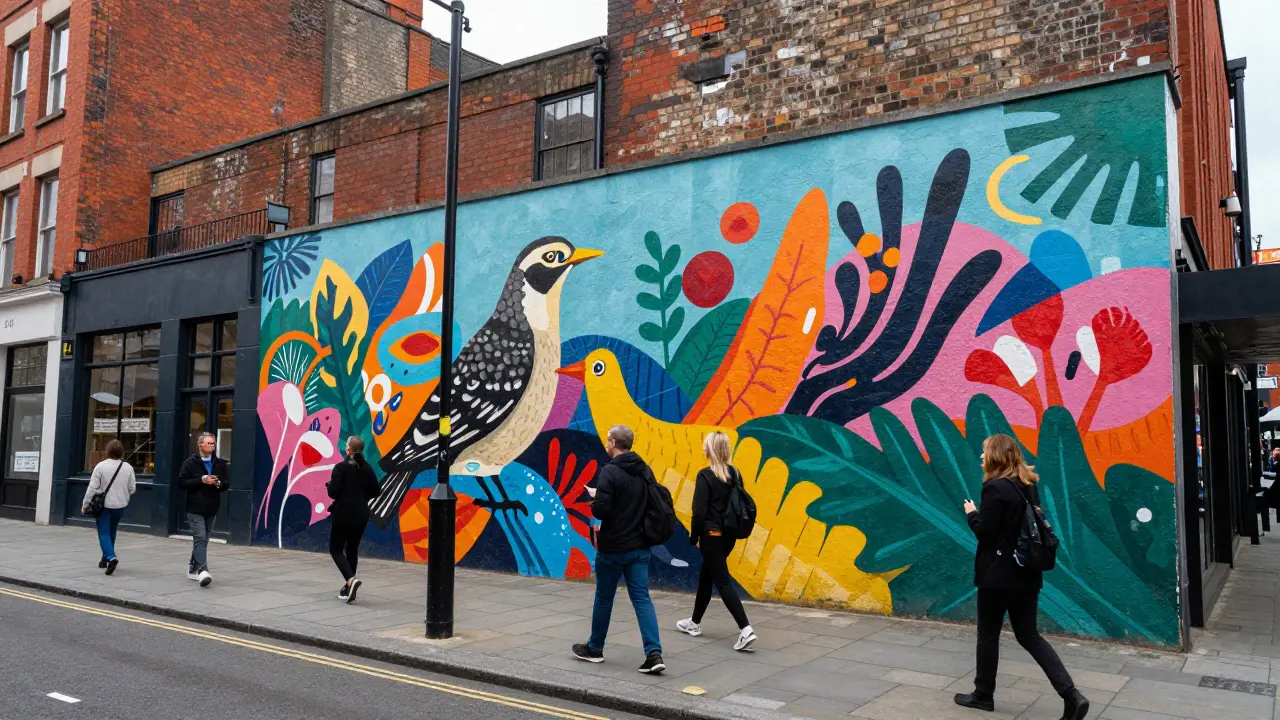
Walk down any major street in a city like Brisbane, London, or New York, and you will likely encounter a splash of color on a brick wall. It might be a massive mural depicting local wildlife, a witty stencil commenting on politics, or an intricate tag that looks like abstract calligraphy. This is street art, a form of visual expression that exists outside the traditional walls of museums and galleries. For decades, this medium was dismissed as vandalism or mere decoration. Today, it is recognized as a powerful tool for social commentary, community building, and urban revitalization. But how exactly does paint on a wall bridge the gap between society and creativity? The answer lies in accessibility, dialogue, and the reclamation of public space.
The Evolution from Vandalism to Cultural Asset
To understand where we are, we need to look at where we started. In the 1970s and 80s, graffiti emerged primarily in New York City as a way for marginalized youth to claim visibility in a city that often ignored them. It was raw, fast, and illegal. At that time, the dominant view was that defacing property was a crime, not art. However, as artists like Keith Haring and Jean-Michel Basquiat moved their work from subway cars to canvas, the perception began to shift. They proved that the energy and style of the streets could translate into high-value cultural artifacts.
This transition wasn't instant. For years, there was tension between "graffiti writers," who focused on lettering and style, and "street artists," who used stencils, wheat paste, and murals to convey images and messages. By the 2000s, cities began to realize that banning street art entirely was impossible and perhaps undesirable. Instead, they started designating legal walls. This shift marked the beginning of street art being viewed as a legitimate part of urban culture rather than just a nuisance to be cleaned up.
Democratizing Art Through Accessibility
One of the most significant ways street art bridges the gap between society and creativity is by removing barriers to entry. Traditional art institutions often feel exclusive. You have to know when to go, what to wear, and how to interpret complex historical contexts. Museums charge admission fees, which can exclude lower-income populations. Street art, by contrast, is free and available to everyone, regardless of background or education level.
When you walk to work or take the bus, you are engaging with art without even trying. This constant exposure normalizes creative expression. It tells people that art isn't just something for the elite; it's part of daily life. For example, in neighborhoods undergoing gentrification, large-scale murals often become focal points. Residents who might never visit a gallery suddenly have a conversation starter right outside their door. This democratization helps dissolve the hierarchy that often separates "high art" from "popular culture."
Social Commentary and Public Dialogue
Street art is rarely just about aesthetics. It is frequently a vehicle for political and social commentary. Because it appears in public spaces, it forces viewers to confront issues they might otherwise ignore. Artists use walls to discuss climate change, racial injustice, gender equality, and economic disparity. Unlike a newspaper article that you can choose not to read, a mural cannot be easily avoided if it is on your commute route.
This immediacy creates a unique form of public dialogue. A well-placed piece can spark conversations among neighbors, locals, and tourists alike. In many cases, these artworks reflect the specific struggles or triumphs of the local community. When residents see their stories depicted on the walls around them, it fosters a sense of identity and belonging. It validates their experiences and gives them a visual voice in the urban landscape. This is why street art is often more impactful in its immediate context than in a curated exhibition space.
Community Engagement and Local Identity
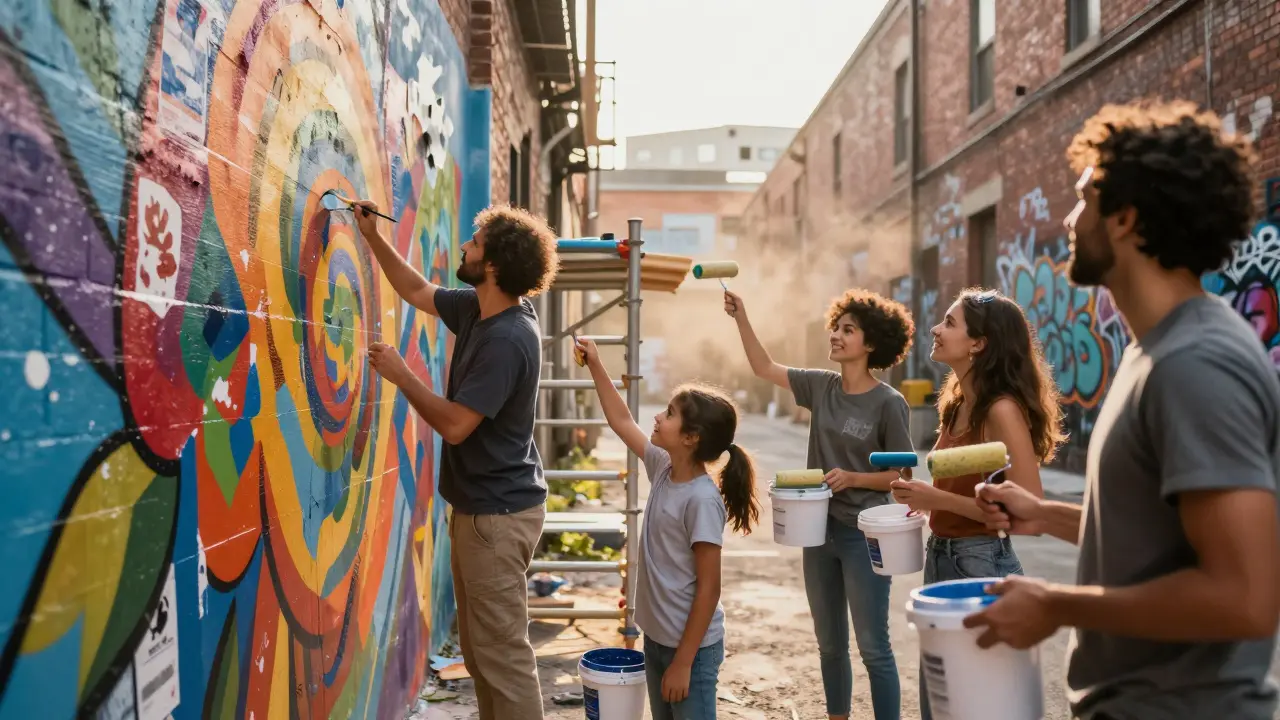
Beyond individual expression, street art plays a crucial role in community engagement. Many contemporary projects involve collaborative efforts between artists and local residents. These initiatives, often called community murals, allow people of all ages and skill levels to contribute to a shared creative vision. Participating in such a project can strengthen social bonds and reduce isolation within a neighborhood.
Furthermore, street art helps define local identity. Cities compete for tourism and talent, and a vibrant street art scene is a major draw. Areas like Wynyard Quarter in Auckland or Hosier Lane in Melbourne have become iconic destinations specifically because of their dynamic street art cultures. These locations showcase how creativity can transform neglected industrial zones into thriving cultural hubs. The art reflects the history, values, and aspirations of the place, creating a distinct character that sets it apart from other cities.
| Feature | Traditional Gallery Art | Street Art |
|---|---|---|
| Accessibility | Limited by hours, location, and cost | Free, 24/7, located in public spaces |
| Audience | Often self-selecting art enthusiasts | General public, including non-art consumers |
| Permanence | Preserved and protected | Ephemeral, subject to weather and removal |
| Message Delivery | Contextualized by curators | Direct, unfiltered, often provocative |
| Community Role | Observer-focused | Participant-focused, often collaborative |
The Tension Between Legality and Authenticity
Despite its growing acceptance, street art remains fraught with tension regarding legality and authenticity. Many purists argue that true street art must be unauthorized. If an artist has permission, they lose the rebellious spirit that defines the medium. This debate highlights the complex relationship between artists, property owners, and municipal authorities. On one hand, cities want the aesthetic benefits and economic boost of street art. On the other hand, they struggle with controlling where and how it appears.
This tension also affects the commercialization of street art. As brands recognize the appeal of street-style aesthetics, they often co-opt the look for advertising campaigns. While this brings financial opportunities to some artists, it risks diluting the subversive nature of the movement. Critics worry that when corporations fund murals, the art becomes less about social critique and more about brand alignment. Navigating this balance is one of the biggest challenges facing the street art community today.
Preservation and the Ephemeral Nature of Street Art
Another unique aspect of street art is its impermanence. Unlike paintings in a museum, street art is exposed to the elements, vandalism, and urban development. Some pieces last only days before being painted over or weathered away. This ephemerality adds to the allure of the medium. It reminds us that art is fleeting and that the moment of viewing is precious. However, it also raises questions about preservation. Should historically significant street art be saved? Who decides what is worth preserving?
In recent years, efforts have been made to document and preserve important works. Digital archives capture images of pieces before they disappear. In some cases, entire walls have been physically relocated to museums or private collections. While these measures help maintain the legacy of street art, they also strip it of its original context. Removing a mural from its neighborhood changes its meaning, turning a piece of public dialogue into a static object. This dilemma underscores the difficulty of fitting street art into traditional frameworks of art conservation.
Future Directions: Technology and Interaction
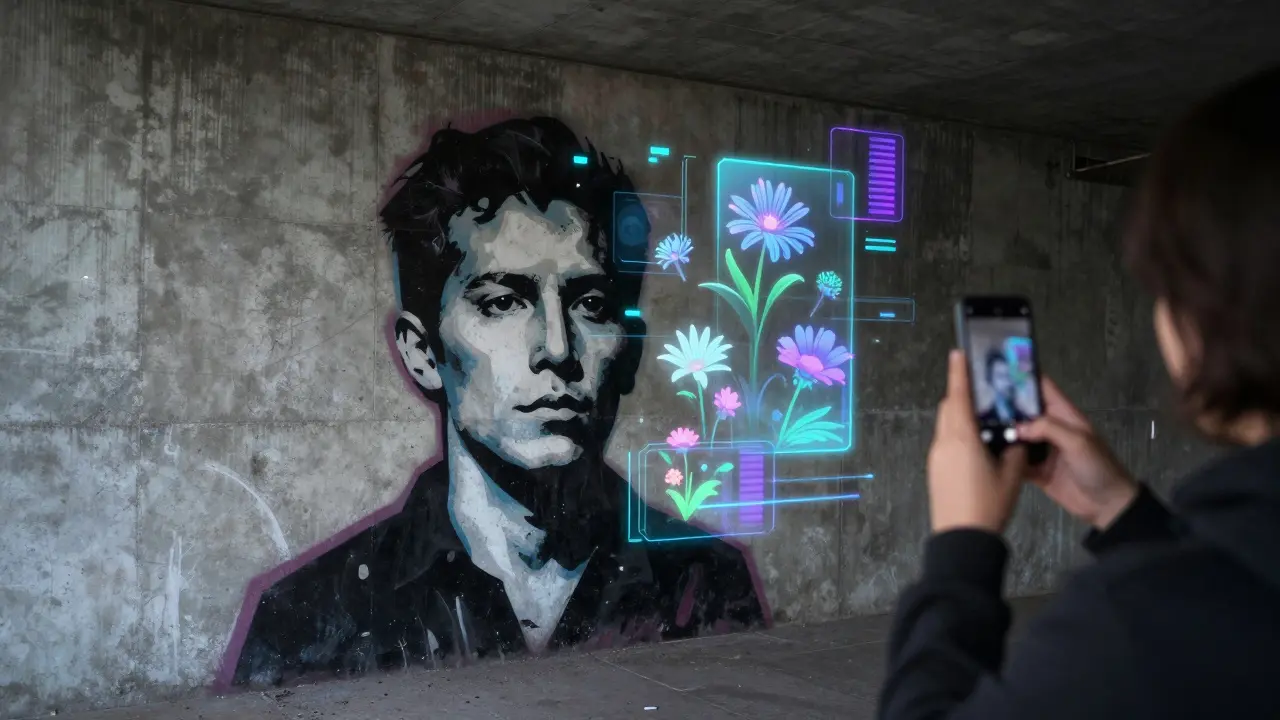
As technology advances, street art is evolving in new directions. Augmented reality (AR) apps now allow viewers to point their phones at a mural and see animated versions or additional layers of information. This interactivity enhances the viewer experience and opens up new possibilities for storytelling. Additionally, digital projections are becoming a popular form of temporary street art, allowing artists to create large-scale visuals without leaving a physical trace. These innovations continue to push the boundaries of what street art can be, ensuring its relevance in an increasingly digital world.
The future of street art also depends on how cities integrate it into urban planning. Rather than treating it as an afterthought, forward-thinking municipalities are incorporating public art into infrastructure projects from the start. This proactive approach ensures that creativity is woven into the fabric of the city, benefiting both residents and visitors. By embracing street art as a vital component of urban life, societies can continue to bridge the gap between creativity and everyday existence.
Is street art considered vandalism?
The classification of street art as vandalism depends largely on legality and context. Unauthorized painting on private or public property without consent is technically vandalism and can result in fines or legal action. However, many cities now designate legal walls or commission murals, making those instances of street art fully lawful and celebrated as cultural assets. The distinction often lies in whether the artist had permission from the property owner.
How does street art impact property values?
High-quality, commissioned street art can significantly increase property values by attracting tourism, boosting local businesses, and improving neighborhood aesthetics. Areas known for vibrant street art scenes often see increased foot traffic and investment. Conversely, unauthorized graffiti or tags associated with neglect can decrease property values if perceived as signs of disorder. The key factor is whether the art is seen as intentional beautification or unwanted defacement.
What is the difference between graffiti and street art?
While the terms are often used interchangeably, there are subtle differences. Graffiti traditionally focuses on stylized lettering, tags, and crew names, rooted in hip-hop culture and emphasizing writer recognition. Street art is broader, encompassing murals, stencils, wheat-paste posters, and installations that prioritize imagery, narrative, and social message over text. Both forms share roots in urban expression, but street art tends to be more accessible to general audiences due to its figurative nature.
Can street art be preserved permanently?
Preserving street art is challenging due to exposure to weather, pollution, and human interference. While protective coatings can extend longevity, most outdoor works degrade over time. Some significant pieces are documented digitally or physically removed and displayed indoors, though this removes them from their original context. True permanence is rare; instead, the ephemeral nature of street art is often embraced as part of its artistic value, reflecting the transient nature of urban life.
How can communities get involved in street art projects?
Communities can engage with street art by participating in local mural festivals, volunteering for cleanup and preparation work, or collaborating directly with artists on design concepts. Many organizations facilitate community-led projects where residents contribute ideas, colors, or even paint sections themselves. Attending workshops and supporting local street art tours also helps sustain the ecosystem. Engaging early in the planning process ensures the final artwork reflects the community’s identity and values.