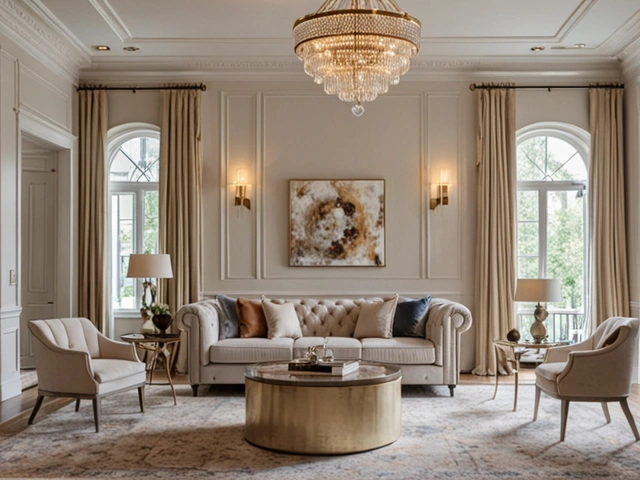

Walk into any major museum in the world today, and you will likely encounter a wall dominated by a massive canvas. It might be a chaotic web of splattered paint or a vast field of deep, meditative color. This is Abstract Expressionism, an art movement that emerged from the ashes of World War II and fundamentally changed how we understand painting. But why does it still matter? Why do we continue to hang these works in our homes, study them in classrooms, and debate their meaning decades after their creation?
The answer isn't just about the visual impact. It’s about the shift in power. Before this movement, art was largely about representing the visible world-people, landscapes, objects. Abstract Expressionists flipped the script. They argued that the act of painting itself, the physical gesture, and the raw emotion behind it were the subject. This wasn't just a new style; it was a philosophical revolution that placed the artist's inner experience at the center of the universe.
The Birth of a Movement in Post-War New York
To understand the appeal, you have to look at where and when it started. The mid-1940s in New York City was a specific moment in history. Europe was devastated by war, and its cultural centers like Paris were no longer the undisputed capitals of art. Meanwhile, American artists were looking for a new language to express the anxiety, freedom, and existential dread of the post-war era.
This group of artists, often referred to as the New York School, gathered in places like Peggy Guggenheim’s gallery "Art of This Century" and studios in Greenwich Village. They weren't trying to create pretty pictures. They were trying to capture the sublime-the overwhelming, terrifying, and beautiful aspects of existence that words couldn't describe. Key figures included Jackson Pollock, Willem de Kooning, Mark Rothko, and Arshile Gorky. Each brought a different approach, but they shared a common goal: to make art that felt immediate and authentic.
Action Painting vs. Color Field: Two Sides of the Same Coin
While we often lump Abstract Expressionism together, it actually had two distinct branches that appeal to different sensibilities. Understanding this split helps explain why the movement remains so versatile and enduring.
On one side, you had Action Painting. Led by Jackson Pollock, this style was about energy, movement, and the physical act of creating. Pollock famously laid his canvases on the floor and dripped, poured, and splashed paint onto them. He didn't touch the canvas with a brush in the traditional sense. Instead, he moved around it, dancing with the paint. The result was a complex web of lines and colors that recorded his every move. It was art as performance, capturing a moment of pure kinetic energy.
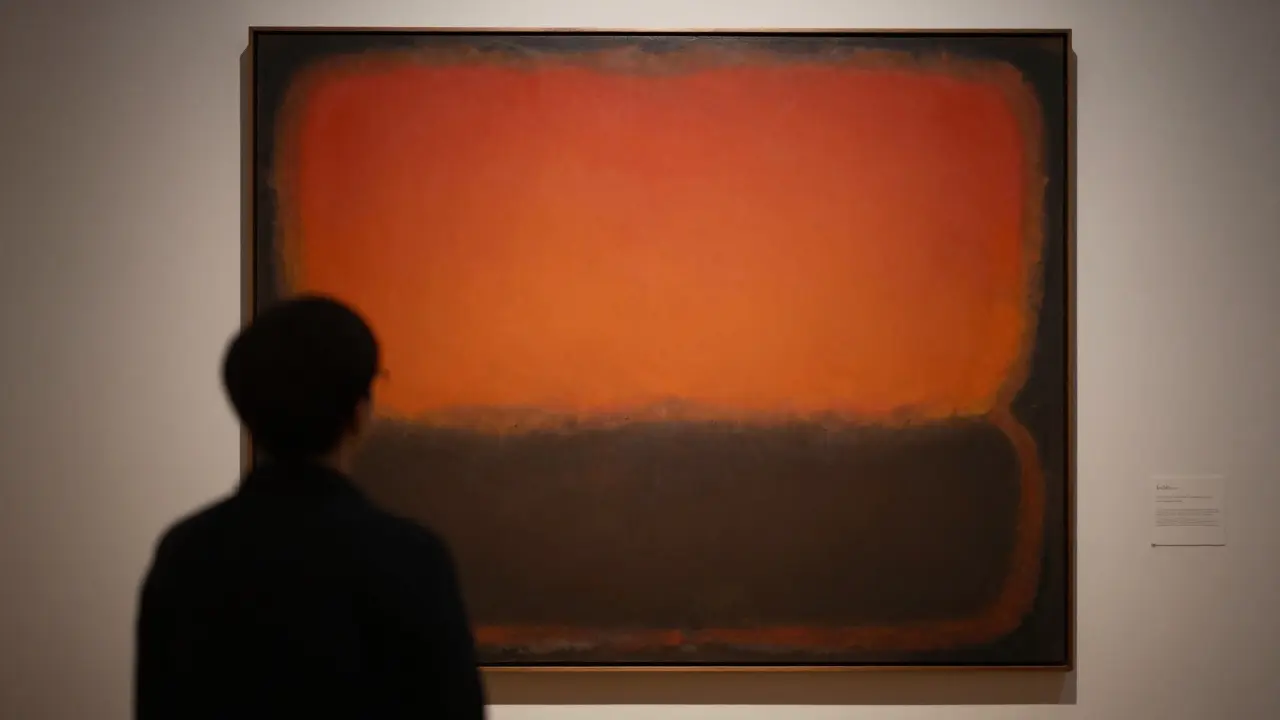
On the other side, you had Color Field painting. Artists like Mark Rothko and Barnett Newman rejected the frenetic energy of Action Painting. Instead, they focused on large areas of solid color. Rothko’s paintings, for example, consist of soft-edged rectangles of color floating against a darker background. These weren't just decorative choices. Rothko wanted viewers to stand close to the work, to feel immersed in the color, and to experience a profound emotional or spiritual response. It was quiet, meditative, and deeply personal.
| Feature | Action Painting | Color Field Painting |
|---|---|---|
| Primary Focus | Physical gesture and energy | Emotional resonance through color |
| Key Technique | Dripping, pouring, splashing | Large washes of blended color |
| Viewer Experience | Dynamic, chaotic, energetic | Meditative, immersive, quiet |
| Representative Artist | Jackson Pollock | Mark Rothko |
The Emotional Resonance: Why We Connect With Abstraction
One of the most compelling reasons for the timeless appeal of Abstract Expressionism is its ability to bypass logical interpretation. When you look at a realistic portrait, you analyze the face, the clothing, the setting. You try to figure out who the person is and what story they are telling. But with a Rothko or a Pollock, there is no narrative to decode. There is only feeling.
This ambiguity is powerful. It allows the viewer to project their own emotions onto the canvas. A red field might feel passionate to one person and aggressive to another. A chaotic splash of black and white might represent chaos to someone having a bad day, but freedom to someone breaking free from constraints. The artwork becomes a mirror for the viewer’s internal state. In a world that is increasingly complex and noisy, this kind of open-ended emotional space is rare and valuable.
Moreover, the sheer scale of these works contributes to their impact. Many Abstract Expressionist paintings are enormous, sometimes covering entire walls. This size forces you to engage with the work physically. You can’t just glance at it from across the room. You have to step back, step forward, and let the image envelop you. This creates a visceral connection that smaller, more detailed works often lack.

From Rebellion to Mainstream: The Cultural Legacy
When Abstract Expressionism first emerged, it was controversial. Critics called it messy, unintelligible, and even anti-art. But over time, it became the dominant force in the Western art world. This shift wasn't accidental. During the Cold War, the United States government subtly promoted Abstract Expressionism as evidence of American freedom and creativity. Unlike Soviet Socialist Realism, which dictated exactly what art should look like, Abstract Expressionism celebrated individual expression and spontaneity. It became a symbol of democratic values.
This political context helped cement the movement’s place in history, but its artistic merit ensured its longevity. Today, Abstract Expressionism is not just a historical footnote; it’s a living influence. You can see its DNA in contemporary practices like Neo-Expressionism, gestural abstraction, and even digital art that mimics fluid dynamics. The idea that art doesn't need to represent reality to be meaningful is now a fundamental principle of modern culture.
How to Appreciate Abstract Expressionism Today
If you’ve ever stood in front of an Abstract Expressionist painting and thought, "I could do that," you’re not alone. It’s a common reaction. But appreciating this art form requires shifting your perspective. Here are a few ways to deepen your engagement:
- Focus on the Process: Look closely at the brushstrokes, drips, and layers. Try to imagine the artist’s body moving as they created the work. Notice the texture and the depth of the paint application.
- Let Go of Meaning: Don’t try to find a hidden message or object. Instead, ask yourself how the colors and forms make you feel. Do they calm you? Excite you? Unsettle you?
- Consider the Scale: If possible, view the works in person. The physical presence of a large canvas is something photographs cannot fully capture. Stand close enough to see the details, then step back to take in the whole composition.
- Explore the Context: Learn about the artists’ lives and the historical moment they worked in. Understanding the post-war anxiety and the desire for new forms of expression adds layers to the viewing experience.
Abstract Expressionism invites us to slow down and pay attention. In a fast-paced digital age, this invitation is more relevant than ever. It reminds us that art can be a direct channel for human emotion, unmediated by symbols or stories. That is why, nearly eighty years later, we are still drawn to these bold, brave, and beautiful canvases.
Who are the most famous Abstract Expressionist artists?
The most prominent figures include Jackson Pollock, known for his drip paintings; Mark Rothko, famous for his color field works; Willem de Kooning, recognized for his expressive figurative abstractions; Barnett Newman, noted for his "zip" paintings; and Clyfford Still, who used jagged shapes and dark colors. These artists defined the movement in the 1940s and 1950s.
What is the difference between Abstract Expressionism and Surrealism?
Surrealism, which preceded Abstract Expressionism, often depicted dream-like scenes with recognizable objects arranged in illogical ways. Abstract Expressionists moved away from depicting objects entirely. While some early Abstract Expressionists were influenced by Surrealist automatism (creating without conscious control), they focused more on the physical act of painting and abstract forms rather than symbolic imagery.
Why did Abstract Expressionism start in New York?
World War II disrupted the European art scene, causing many European artists to flee to the United States. At the same time, New York had a growing community of avant-garde artists seeking new directions. The city’s energy, combined with the availability of new materials and galleries like Peggy Guggenheim’s, created a fertile ground for the movement to emerge and thrive.
Is Abstract Expressionism still popular today?
Yes, its influence is widespread. While the original movement peaked in the 1950s, its principles of gestural freedom and emotional intensity continue to inspire contemporary artists. Works by Abstract Expressionists also remain highly valued in the art market, with paintings by Pollock and Rothko selling for tens of millions of dollars.
How can I tell if a painting is Abstract Expressionist?
Look for large-scale canvases with non-representational forms. Key indicators include visible brushstrokes, drips, or splatters (Action Painting) or large, flat areas of color designed to evoke emotion (Color Field). The work should prioritize the artist’s gesture and emotional expression over depicting a recognizable subject.