Expressionism didn’t just change how artists painted-it changed how we feel when we look at art. In the early 1900s, painters in Germany and Austria started rejecting the calm, realistic scenes that dominated galleries. Instead, they twisted colors, warped shapes, and poured raw emotion onto canvas. They weren’t trying to show the world as it was. They wanted to show how it felt. That shift didn’t fade with time. Today, you can see Expressionism’s fingerprints everywhere-from the bold brushstrokes of contemporary street art to the moody lighting in films and even in the way people use color in digital design.
What Expressionism Actually Is
Expressionism isn’t a single style. It’s a mindset. Artists used distortion, vivid colors, and exaggerated forms to communicate inner feelings rather than outer reality. Think of Edvard Munch’s The Scream. That figure isn’t just scared-it’s screaming into a world that feels like it’s collapsing. That’s the heart of Expressionism: art as emotional testimony.
Unlike Impressionism, which captured fleeting light and atmosphere, Expressionism dug deeper. It came from a place of anxiety, alienation, and urgency. World War I, industrialization, and the breakdown of traditional social structures pushed artists to reject beauty for truth. They painted what they felt in their bones: fear, rage, longing, despair.
The Birth of German Expressionism
The most explosive branch of Expressionism emerged in Germany around 1905. Two groups led the charge: Die Brücke (The Bridge) in Dresden and Der Blaue Reiter (The Blue Rider) in Munich.
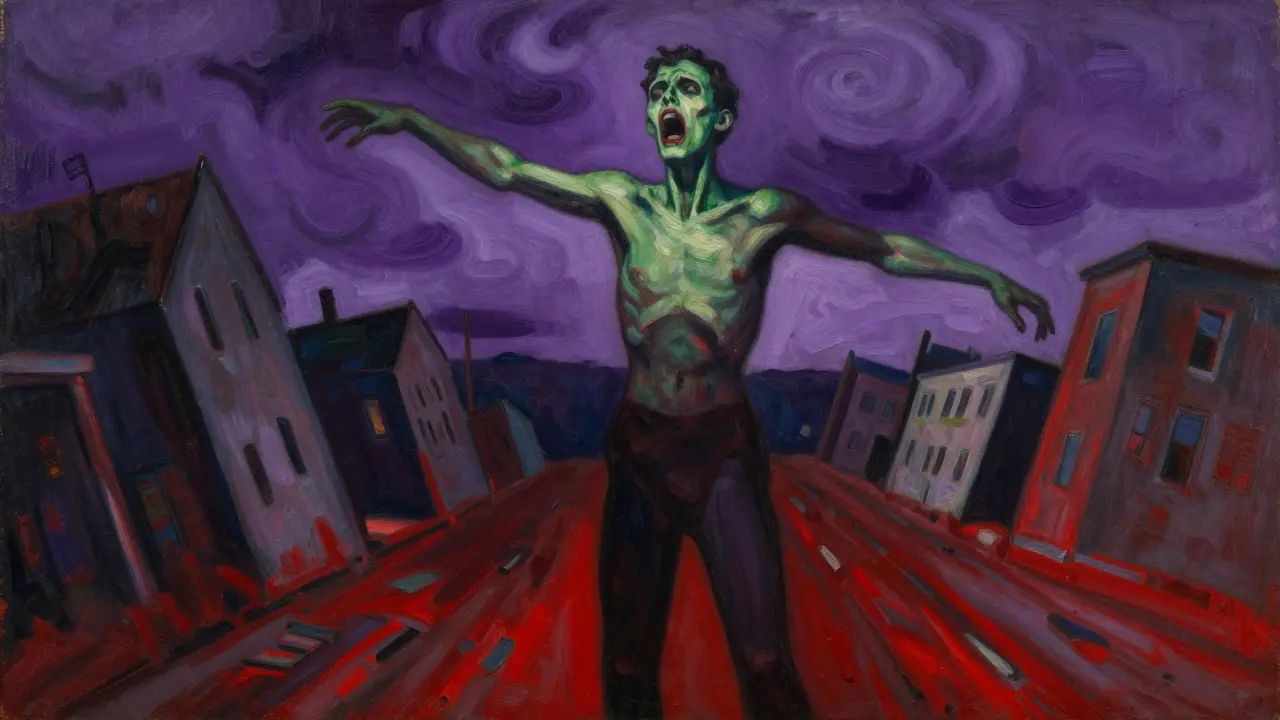
Die Brücke, founded by Kirchner, Heckel, and Schmidt-Rottluff, used harsh woodcuts and jagged lines. Their colors weren’t natural-they were emotional. A face might be green with tension. A street might pulse red with energy. They wanted art to be raw, urgent, and accessible to everyone, not just the elite.
Der Blaue Reiter, led by Kandinsky and Marc, took a more spiritual path. They believed color and form could carry spiritual meaning. Kandinsky’s abstract paintings weren’t random. They were symphonies of feeling. Marc painted blue horses and red cows because, to him, blue meant spirituality and red meant violence. These weren’t just choices-they were declarations.
How Expressionism Spread Beyond Painting
Expressionism didn’t stay on canvas. It exploded into theater, film, literature, and music.
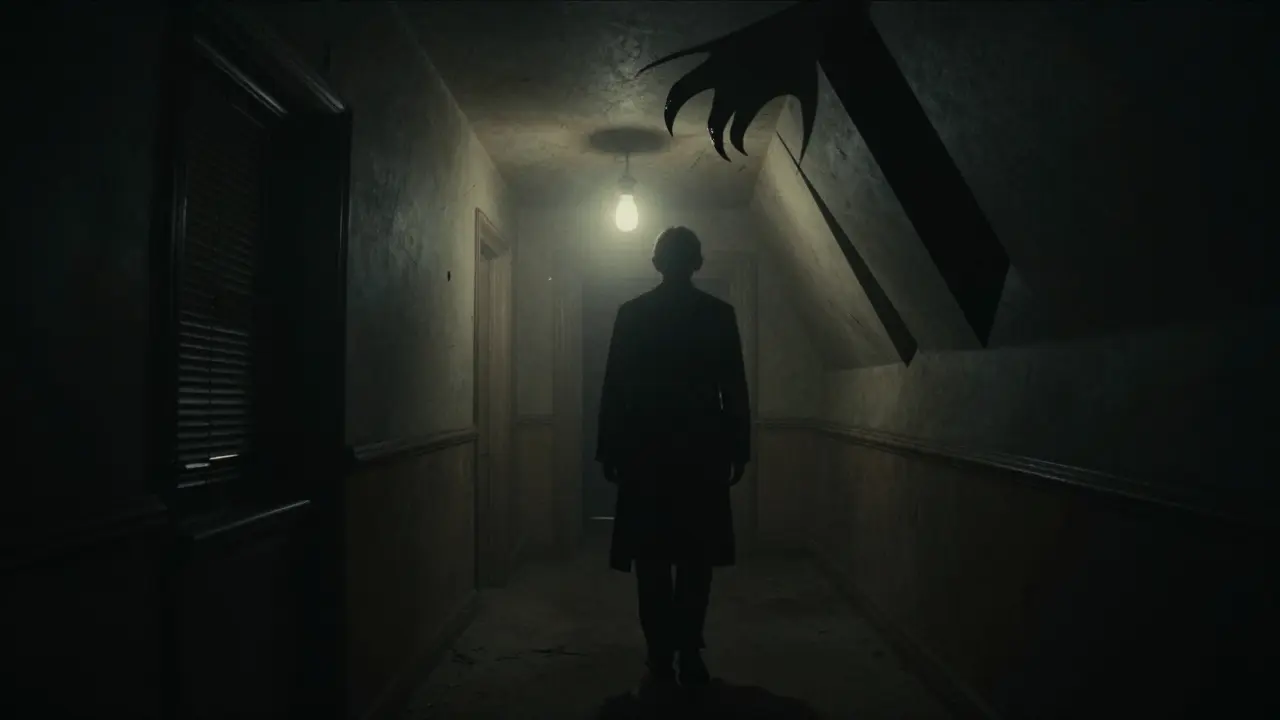
In German cinema, films like The Cabinet of Dr. Caligari (1920) used tilted walls, sharp shadows, and impossible architecture to show a mind unraveling. The set wasn’t a backdrop-it was a psychological state. That visual language later influenced film noir and even modern horror.
In literature, writers like Franz Kafka didn’t describe offices-they described the crushing weight of bureaucracy as a living, breathing monster. In music, Schoenberg abandoned traditional harmony for atonal pieces that sounded like emotional breakdowns.
Expressionism became a language for the disoriented. And that language still speaks today.
Expressionism in Contemporary Art
Look at the work of artists like Jean-Michel Basquiat or Anselm Kiefer. Their paintings don’t just depict pain-they erupt with it. Basquiat’s scrawled text, crowns, and skeletal figures aren’t decorative-they’re cries from the margins. Kiefer’s massive, ash-covered canvases don’t just reference Nazi history-they make you feel its weight in your chest.
Even in abstract art, the legacy is clear. Artists like Julie Mehretu layer chaotic marks and architectural fragments not to confuse, but to convey the turbulence of modern life. The brushstroke isn’t about technique-it’s about transmission.
Street artists like Banksy use Expressionist tactics too. A rat with a crown, a girl releasing a heart-shaped balloon-these aren’t just clever images. They’re emotional punchlines. They’re meant to unsettle, to make you feel something before you think about what it means.
Why Expressionism Still Matters
Why do we still care about art from a century ago? Because we’re still living in a world that feels overwhelming.
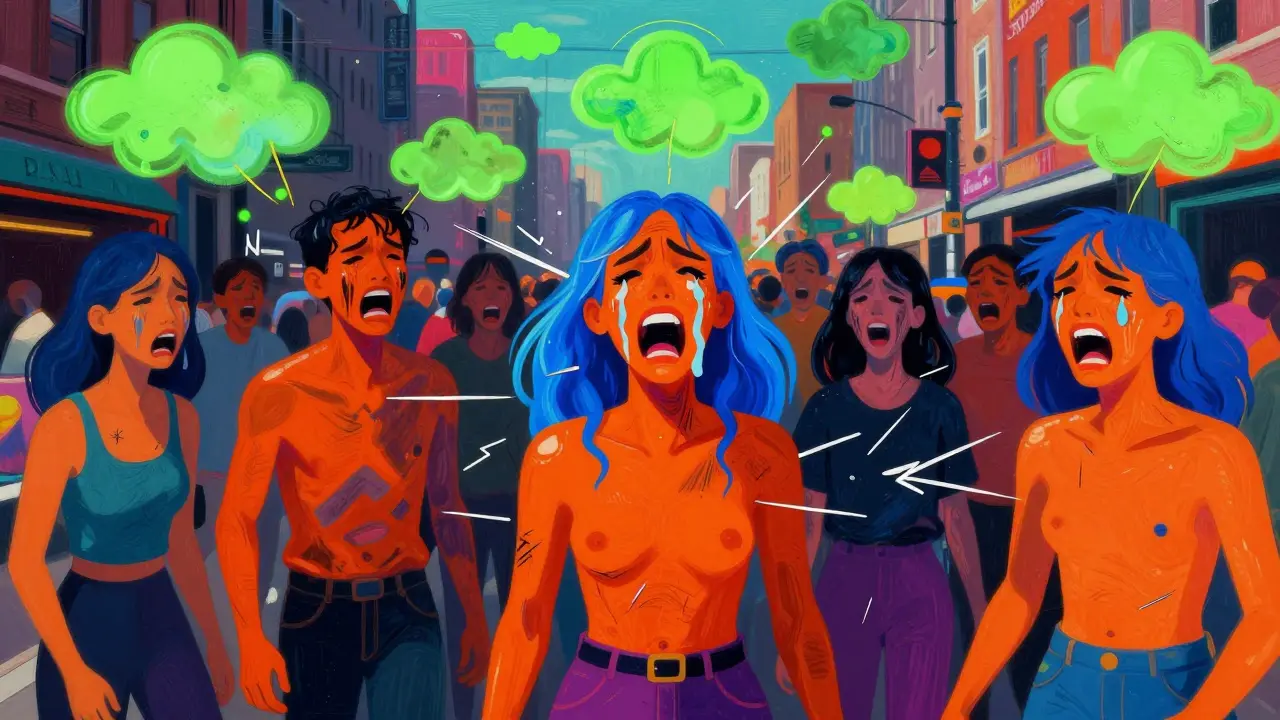
Today’s artists face climate anxiety, digital overload, political fracture, and social isolation. Expressionism gives them a toolkit: distort the form, amplify the color, break the rules. It tells them: if reality feels broken, don’t paint it faithfully-paint how it hurts.
Think about the rise of digital art and NFTs. Many of the most viral pieces use intense, unnatural color palettes and exaggerated forms. That’s not a coincidence. It’s Expressionism reborn in pixels.
Even in advertising, brands use Expressionist techniques to cut through the noise. A soda ad with a swirling, neon sky isn’t selling sugar-it’s selling euphoria. A car commercial with a lone figure driving through a storm isn’t about tires-it’s about freedom.
The Emotional Blueprint
Expressionism taught us that art doesn’t have to be beautiful to be powerful. It can be ugly, chaotic, terrifying-and still move us deeply. That’s its greatest gift.
When you stand in front of a Munch or a Kirchner and feel a shiver, you’re not just seeing paint. You’re seeing someone else’s inner world laid bare. And that connection-raw, unfiltered, real-is what modern art still chases.
Expressionism didn’t end. It just went underground. It’s in the way we scream into social media. It’s in the way we use color to signal mood in apps and websites. It’s in the way we still reach for art that doesn’t comfort us-but speaks to us.
How to Recognize Expressionism Today
If you want to spot Expressionism in modern work, look for these signs:
- Colors that don’t match reality (a sky painted purple, skin in orange)
- Distorted figures-faces stretched, bodies twisted
- Brushstrokes that look urgent, almost frantic
- Subjects that feel emotionally charged, not just visually interesting
- A sense of unease, tension, or inner turmoil
It’s not about how well something is drawn. It’s about how deeply it hits you.
Where Expressionism Lives Now
You don’t need to visit a museum to find Expressionism. Walk through any major city’s art district. Look at the murals. Check out indie galleries. Scroll through Instagram art accounts. You’ll see it in the work of young artists who refuse to paint pretty scenes.
It’s alive in the way fashion designers use asymmetry and clashing prints. In the way filmmakers use lighting to make a character’s loneliness feel physical. In the way video games like Inside or Pathologic use oppressive environments to convey psychological dread.
Expressionism isn’t a relic. It’s a living response to a world that still doesn’t make sense.