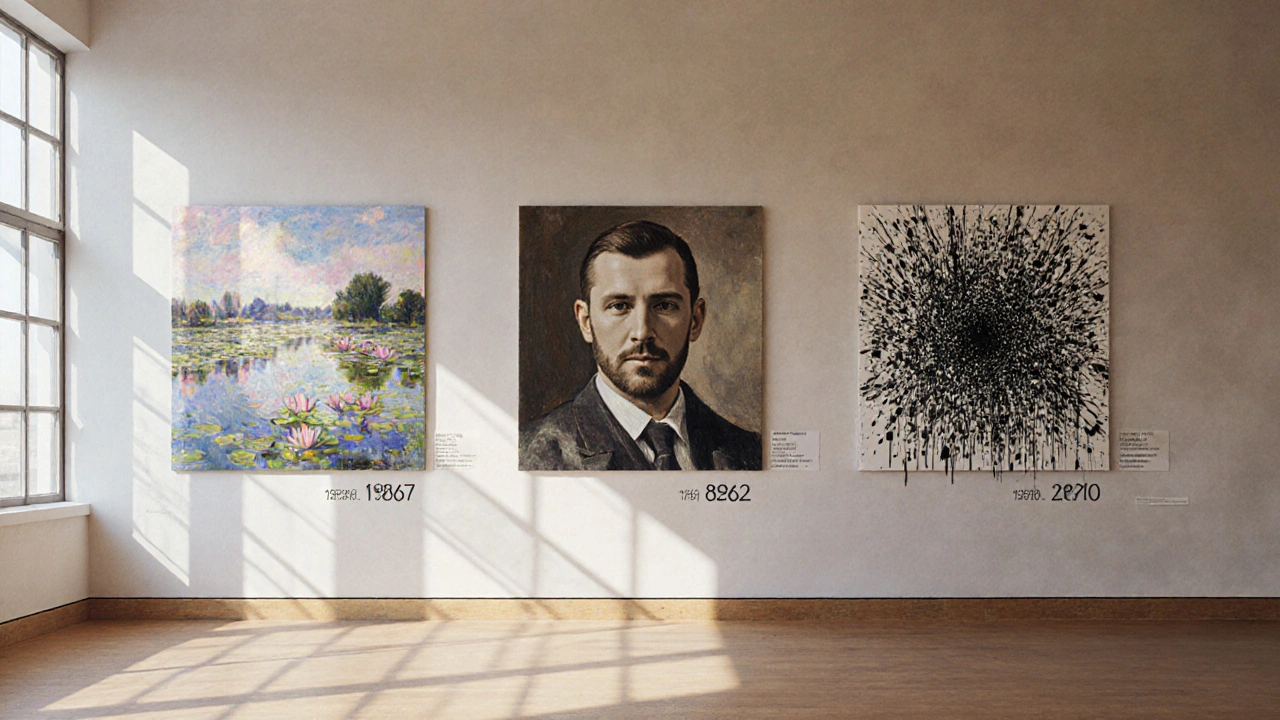
Modern Art: What It Is and How to Actually Enjoy It
Modern art can feel confusing or exciting depending on where you start. Some works look like a mess, others like a photo—but both can have big meaning. Think of modern art as a set of bold experiments: Bauhaus changed design, Abstract Expressionism pushed emotion, Photorealism chased detail, and movements like Fluxus turned everyday life into performance. You don’t need to memorize dates to get it—just learn a few simple moves to see more in each piece.
How to read modern art
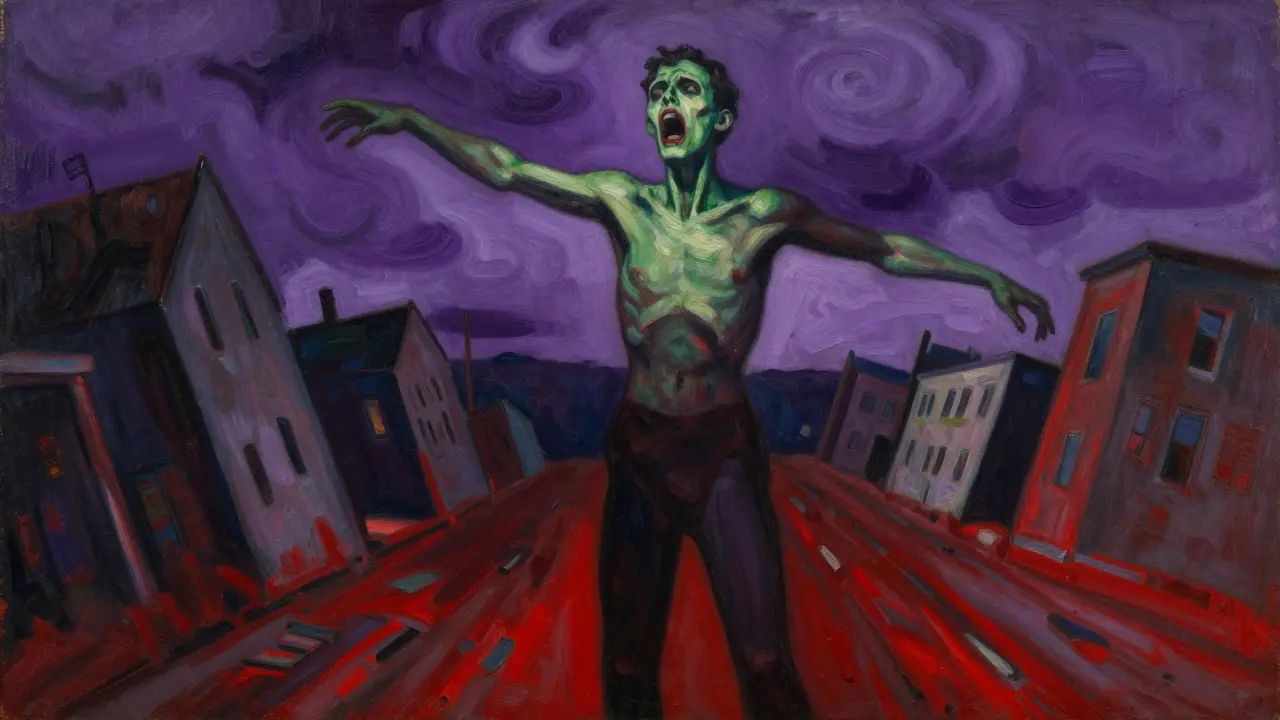
Start with your eyes, then ask three quick questions: What do I see (shapes, color, scale)? How does it make me feel (calm, tense, curious)? What might the artist be saying (politics, identity, play)? Look for materials and method—paint splatters, found objects, precise brushwork—and that tells you if the artist cares about gesture, concept, or detail. For example, a Pollock-like canvas emphasizes motion and chance; a photorealistic portrait shows craft and observation. Labels help, but let your first reaction stand for a minute before you read the explanation.
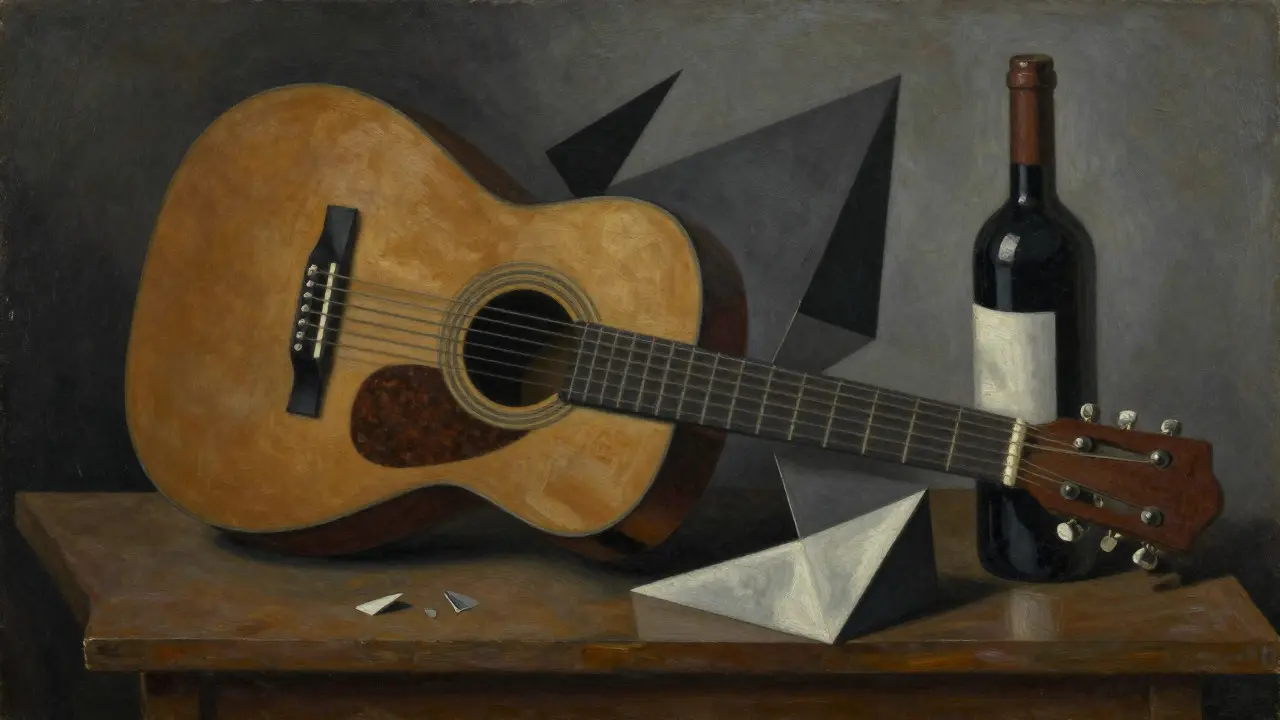
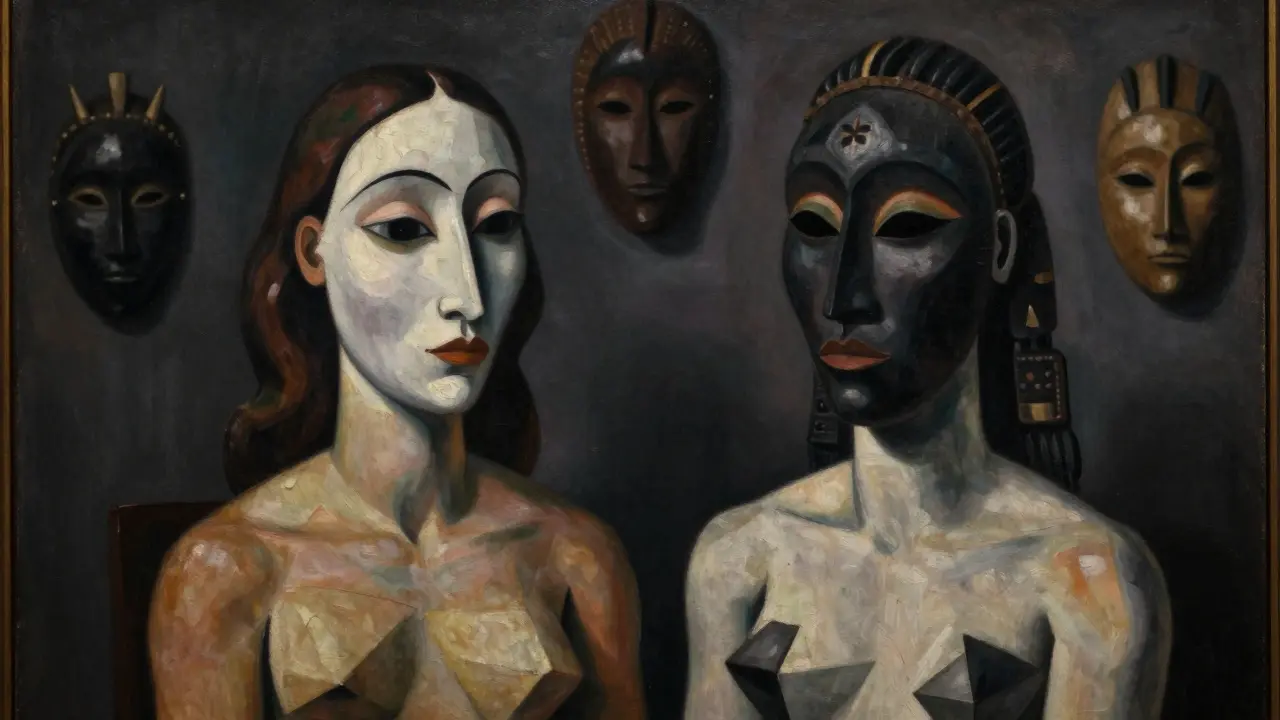
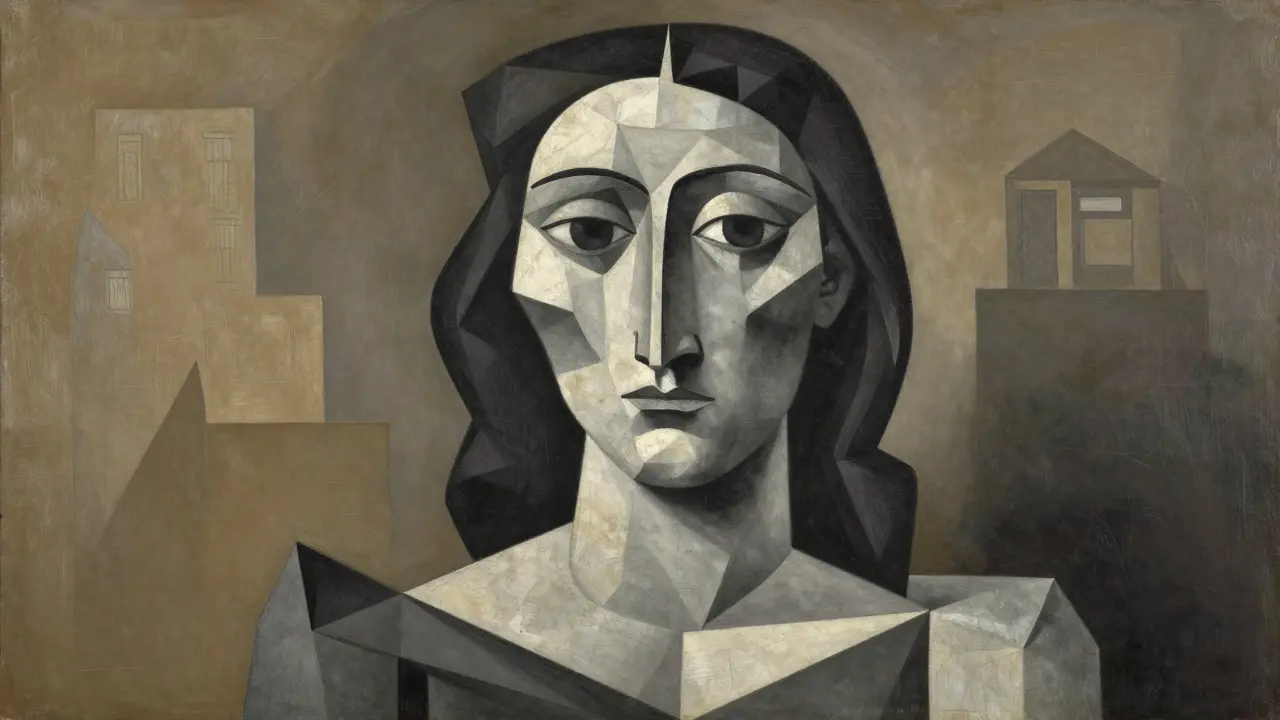
Context matters. Knowing a little about movements helps: Bauhaus focused on function and simple forms; Constructivism mixed art and politics; Cubism broke objects into shapes to show multiple views at once. If a piece seems odd, it might be reacting to history, technology, or city life—think of land art changing parks or futurism imagining smart cities. Use free tools: museum audio guides, short essays, or a quick search for the artist to get the backstory without getting lost in jargon.
Ways to enjoy, show, or collect modern art
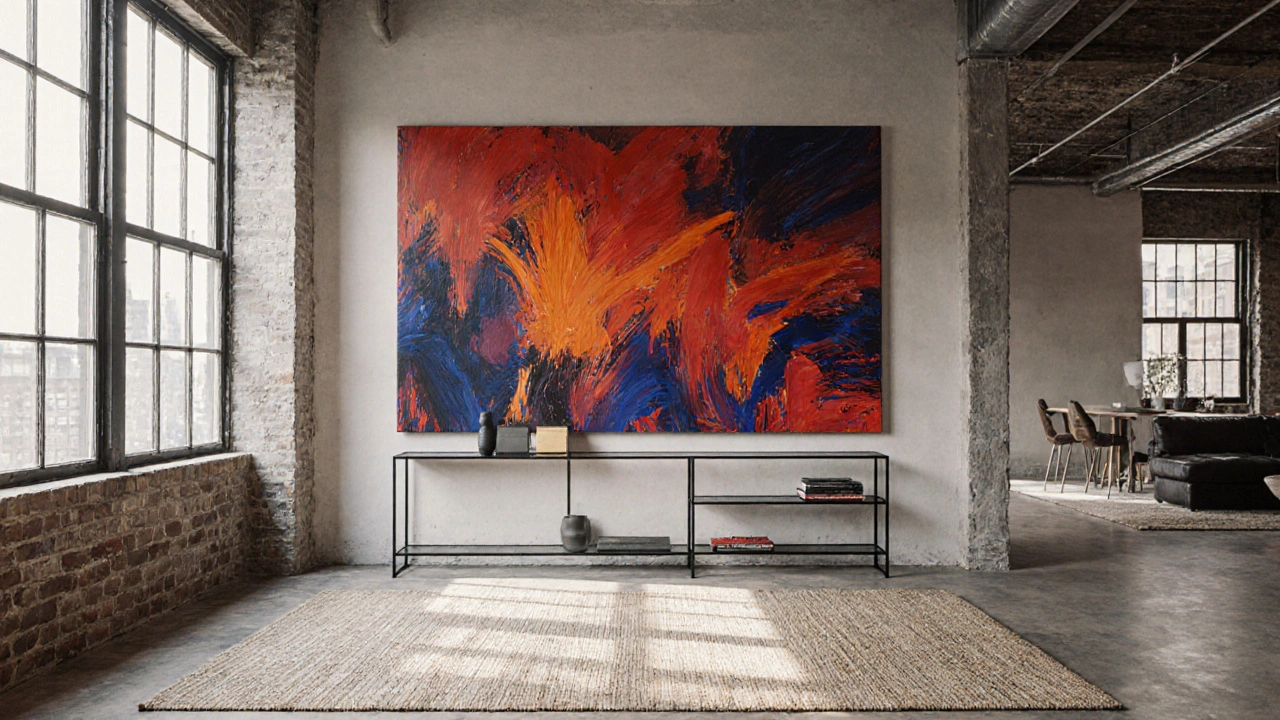
Want to enjoy modern art more often? Spend five minutes with one work. Walk closer, then step back. Take a photo for later. Go to smaller galleries—local shows often host big ideas for less money. If you want to decorate, mix a bold modern piece with simple furniture: a Bauhaus print looks great beside plain wood shelves. For collecting on a budget, buy limited prints, student work, or small pieces from local artists. Always check condition and ask about provenance—receipts or artist statements matter.
Visiting tips: go early or late to avoid crowds, use museum maps to pick one or two sections, and read one label fully rather than skimming many. If a work bothers you, that’s useful too—modern art often aims to provoke. Join a gallery talk or a casual tour; hearing one smart line from a curator can change how you see an entire room.
Modern art is less about getting the right answer and more about noticing how things change the way you look at life. From Bauhaus furniture to photorealistic portraits, these works ask you to slow down, question, or laugh. Try one of the steps above next time you pass a gallery—the art will do the rest.