Mechanical Art: Where Machines Become Art
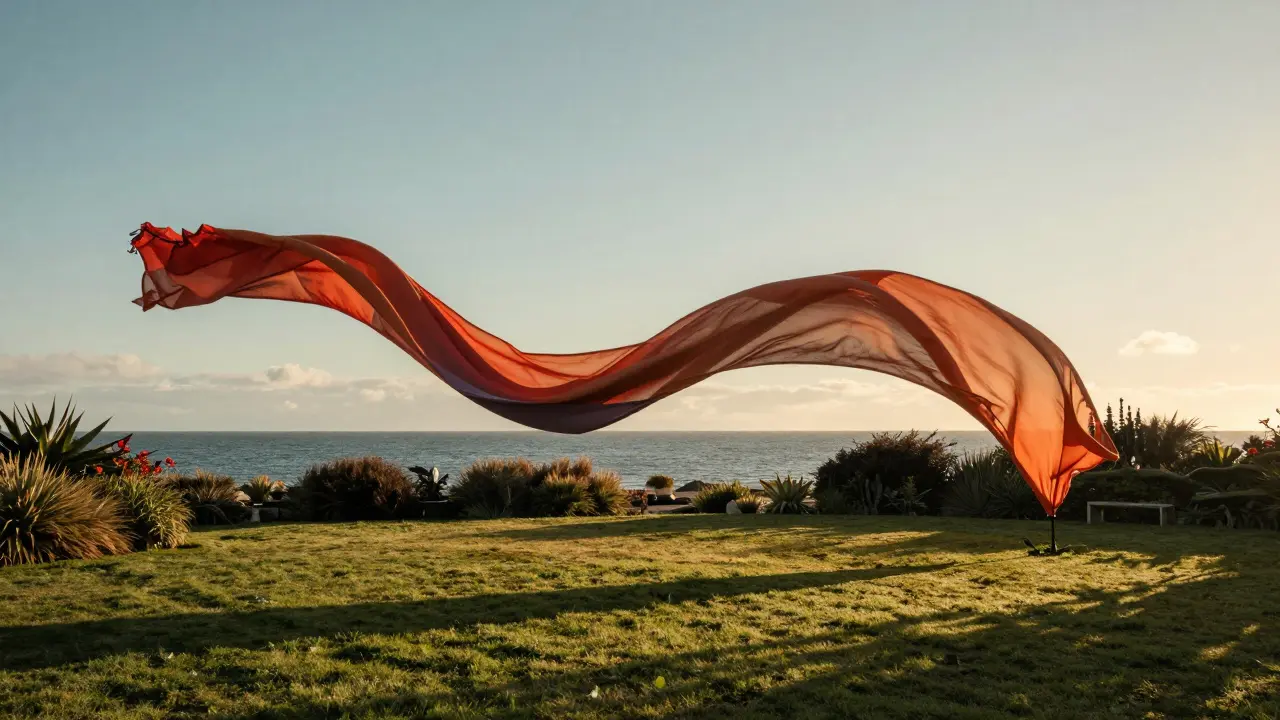
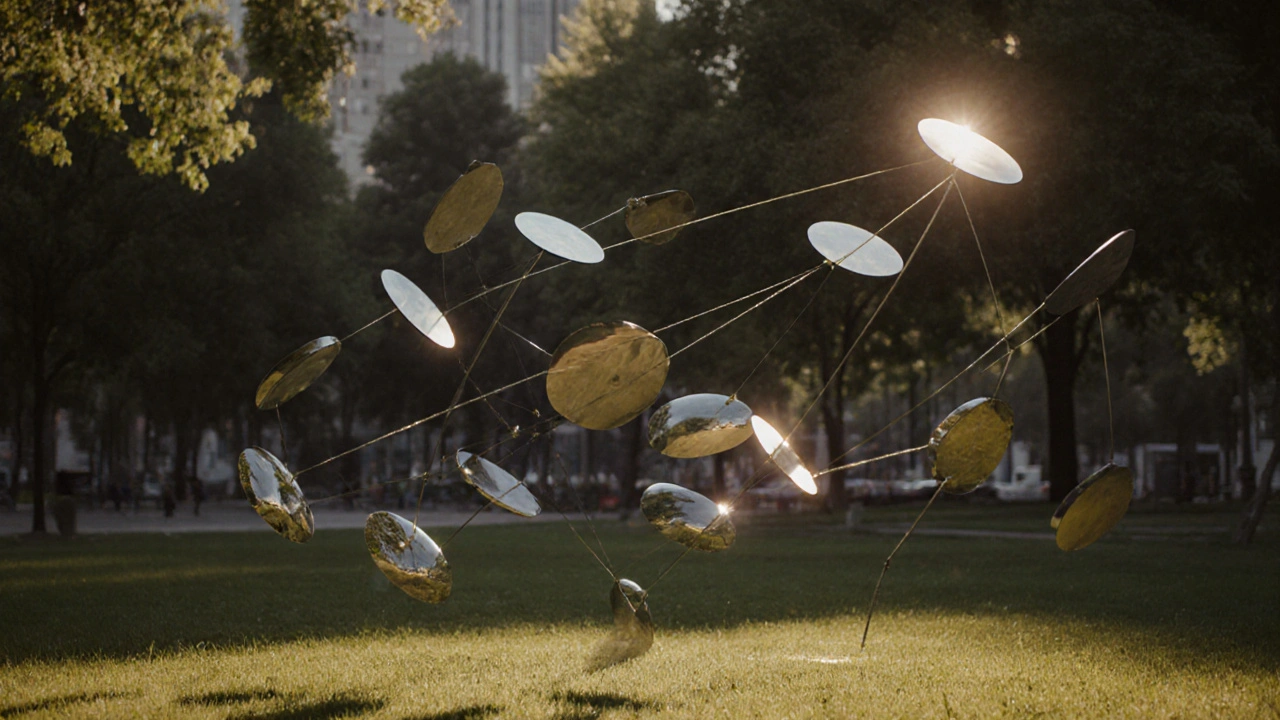
When you think of art, you probably imagine a painting on a wall or a statue in a museum. But mechanical art, a form of visual expression that uses moving parts to create emotion, rhythm, and wonder. Also known as kinetic art, it’s not about stillness—it’s about what happens when steel, wood, and gears start to move. This isn’t just engineering with a pretty face. It’s art that breathes, turns, clicks, and sometimes even sings. You’ve seen it in clock towers, wind sculptures in public parks, or those mesmerizing desk toys that never get old. But real mechanical art goes deeper. It asks questions: Can a machine feel? Can motion tell a story? Can something built for function become something that moves you?
automata, self-operating machines designed to mimic life, often with intricate craftsmanship, have been around since ancient Greece, but they exploded in the 18th and 19th centuries as luxury items for royalty. Today, artists are bringing them back—not as toys, but as powerful statements. Think of a bird that flaps its wings using only springs and levers, or a human figure that writes poetry with a pen, powered by a hidden clockwork. These aren’t just gadgets. They’re quiet protests against a digital world that’s lost touch with touch, with texture, with the slow beauty of a gear turning.
And it’s not just about old-school wind-up wonders. Modern industrial design, the practice of shaping functional objects with both utility and aesthetic intention has blurred the line between machine and art. Bauhaus and Constructivist artists didn’t just design chairs or posters—they imagined a world where every object had soul. That same spirit lives in today’s mechanical artists who use scrap metal, old radios, and bicycle parts to build sculptures that dance in the wind or respond to your presence. This isn’t about perfection. It’s about honesty. You can see the welds. You hear the friction. You feel the weight. That’s what makes it real.
What you’ll find in the posts below isn’t a history lesson. It’s a collection of people who turned wrenches into brushes and motors into mood. From the dramatic motion of Baroque-inspired machines to the clean lines of Bauhaus-inspired movement, these works show how mechanical art isn’t just a niche—it’s a quiet revolution. You’ll learn how artists build these pieces, why they matter, and where you can see them in the wild. No theory. No fluff. Just real creations that move—in every sense of the word.