Kazimir Malevich: the man behind Suprematism
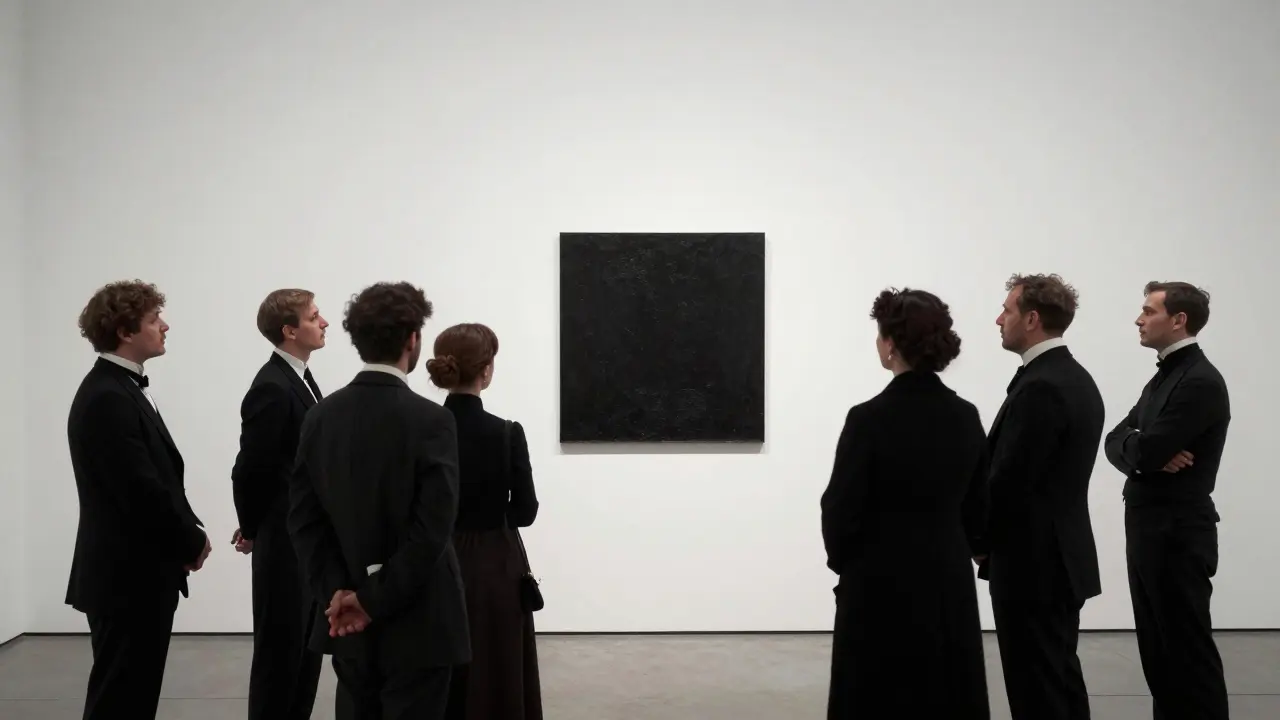
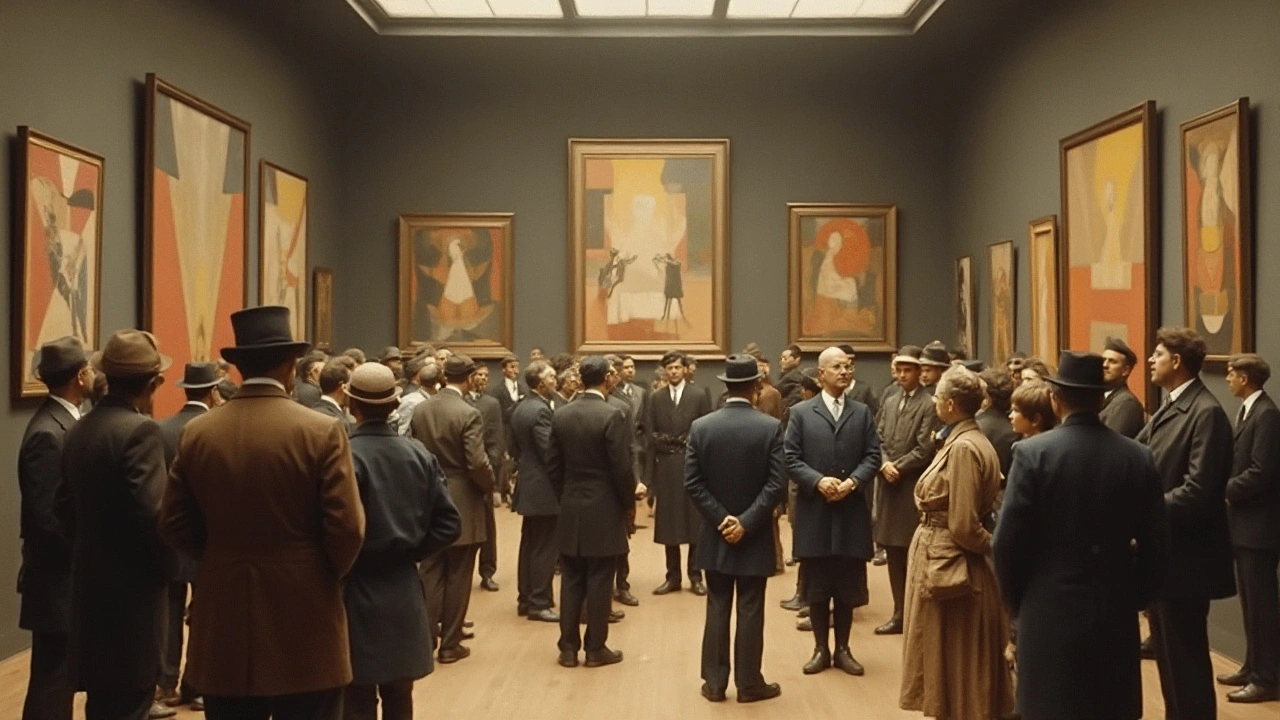
Kazimir Malevich rewired what painting could be. Born in 1879, he pushed art away from copying the world and toward pure feeling expressed through shape and color. If you know one image tied to him, it’s probably Black Square — a bold, plain black square painted in 1915 that shocked audiences and changed art conversations forever.
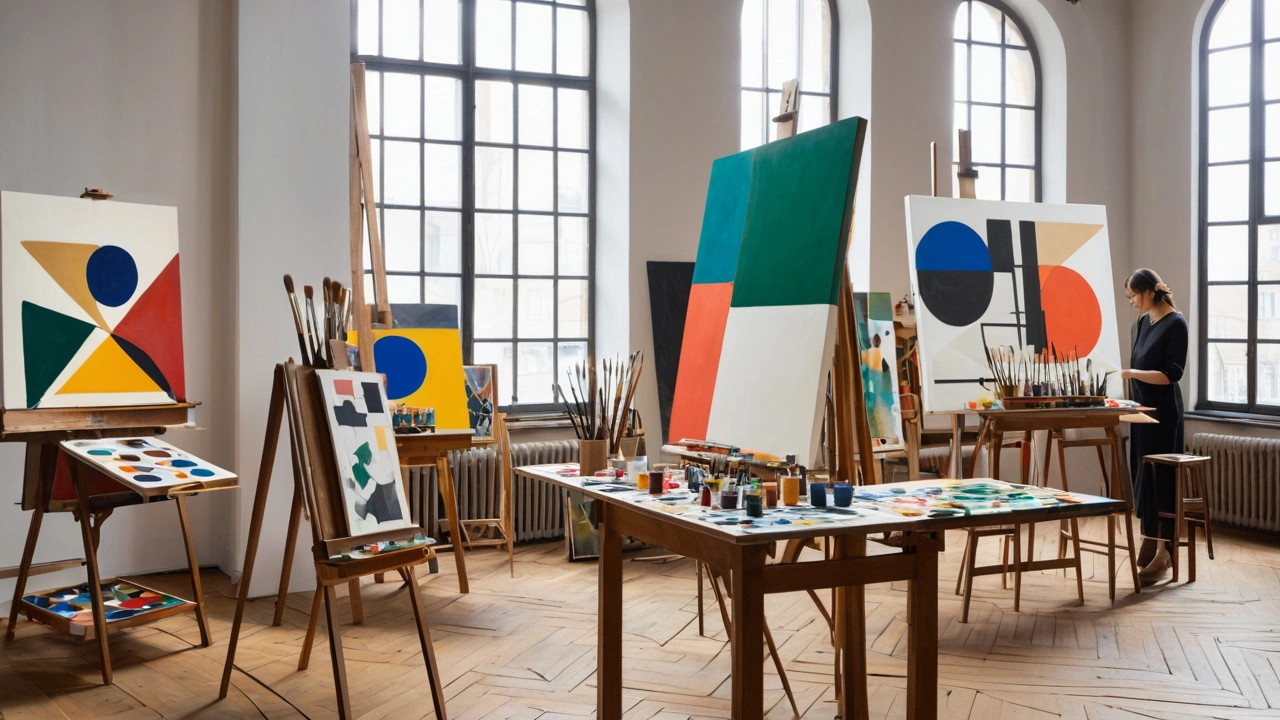
Malevich didn't just paint; he launched Suprematism, an art approach that focuses on basic geometric forms—squares, circles, lines—and their emotional power. Suprematism isn’t about depicting objects. It’s about using form and color as their own language. That idea fed later movements in design, architecture, and even digital art.
Key works and what to look for
When you look at Malevich, watch for tight geometry and limited palettes. Early pieces still show Cubist and Futurist touches, but by 1915 he stripped everything down. Black Square (1915) is plain at first glance, but it’s meant as a visual full stop — an end to old pictorial rules. Other important works include White on White (1918), which takes reduction further, and various Suprematist compositions that mix floating squares, crosses, and circles.
Dates help: Suprematism emerged around 1913–1915; Black Square appeared in 1915; White on White followed a few years later. Malevich also wrote manifestos explaining his ideas, so reading a short essay of his can clarify what he wanted the shapes to do: act like pure feeling, not like a window to reality.
How to read and use Malevich’s work today
Want to spot Malevich influence in everyday design? Check logos, minimalist posters, and modern architecture for simple blocks of color and bold geometry. These are direct descendants of Suprematist thinking. If you’re studying art, compare a representational painting to a Suprematist piece and ask: What feeling does form alone create? That question sharpens your eye.
Collecting advice: major Malevich works are rare and usually in museum collections, so start with good catalogues, reputable galleries, and museum archives. For prints and authorized reproductions, verify provenance and condition. If you can, see works in person—scale and brushwork matter. Online high-res images help, but they don’t replace a real view.
Curious where to see his work? Check major modern art museums and museum websites for verified images and essays. Reading short museum labels or audio guides will give you context without needing academic books.
Malevich changed how artists thought about painting. You don’t have to love a black square to see why it mattered: it asked a simple, sharp question about what art can be, and that question still pushes creators today.