Harlem Renaissance: How It Remade Black Identity, Art, and Music
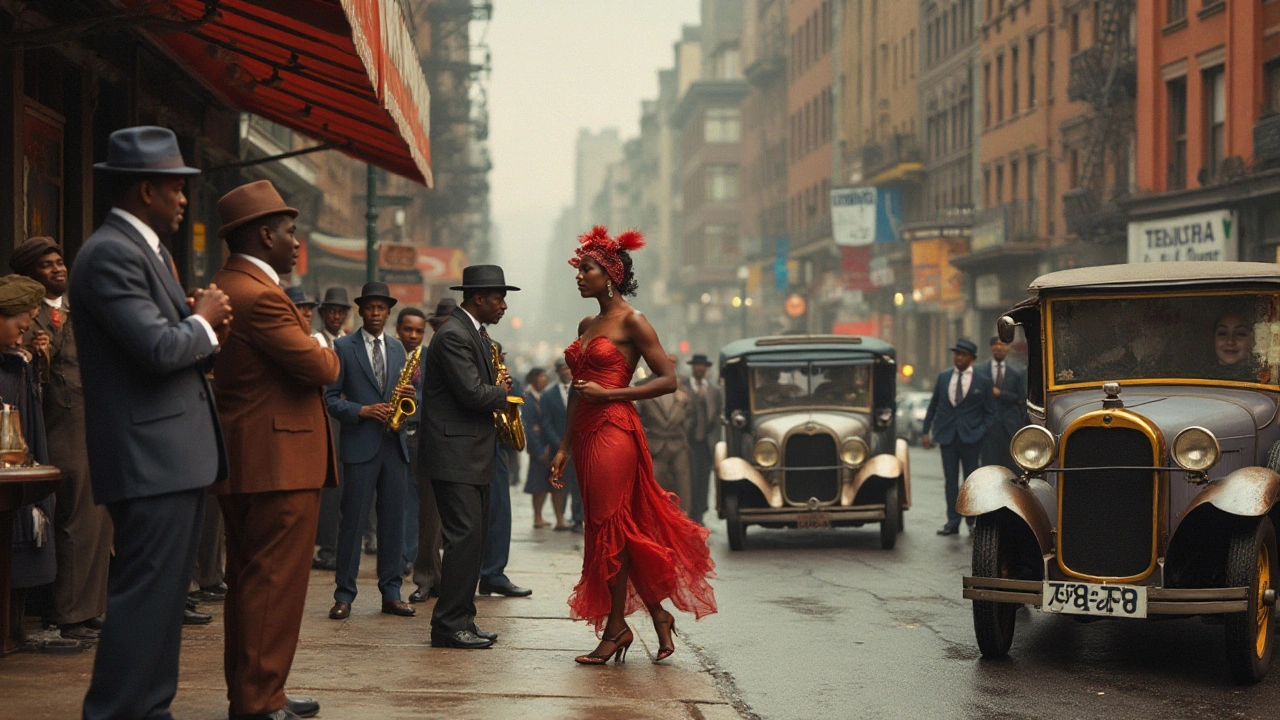
Harlem in the 1920s sparked a cultural explosion that still shapes art and identity today. What started as a neighborhood gathering of Black writers, musicians, and artists became a national shift in how Black life, creativity, and politics were seen. If you want clear entry points into the Harlem Renaissance, this page gives names, works, themes, and ways to experience it now.
Key figures and standout works
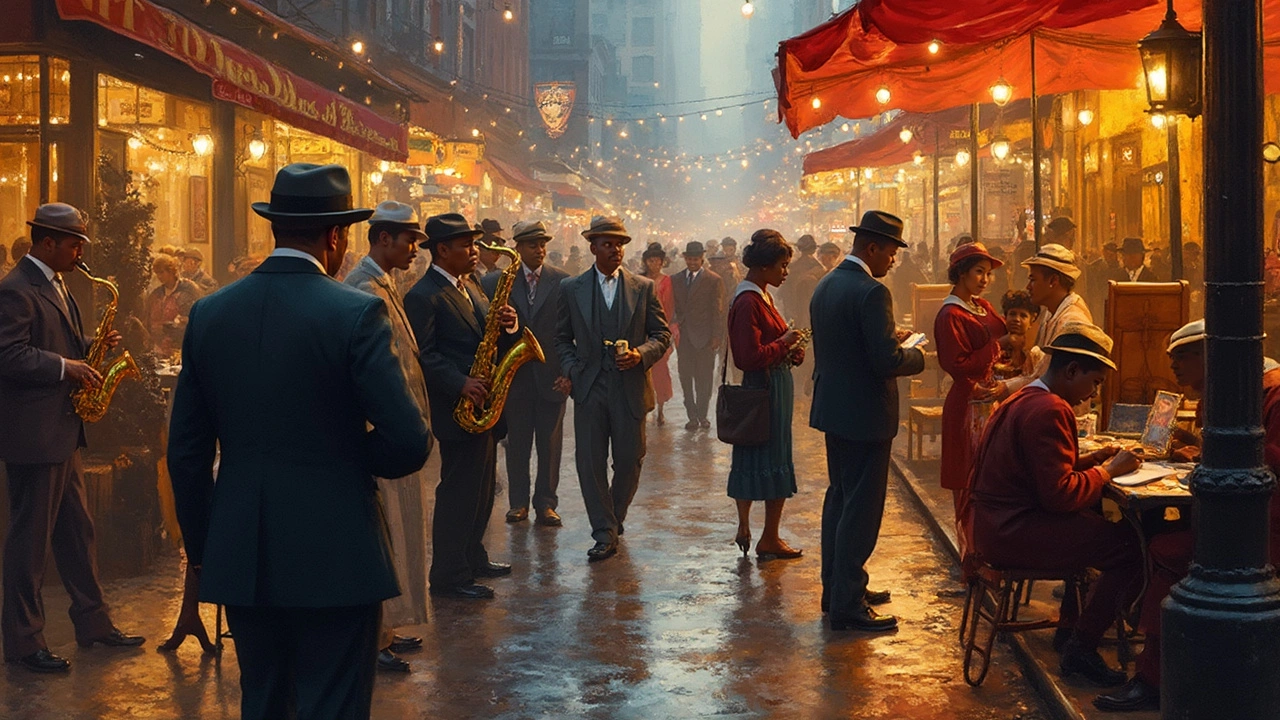
Know the names. Langston Hughes wrote poems that mixed everyday speech with big ideas about pride and struggle. Zora Neale Hurston captured Black life in novels like Their Eyes Were Watching God and used folklore as cultural proof. In music, Duke Ellington and Louis Armstrong turned jazz into a global language—listen to their recordings and you’ll feel the era. Visual artists like Aaron Douglas used bold silhouettes and African motifs to create a new Black visual style. Writers such as Claude McKay and Jean Toomer pushed boundaries with poetry and experimental prose that challenged stereotypes.
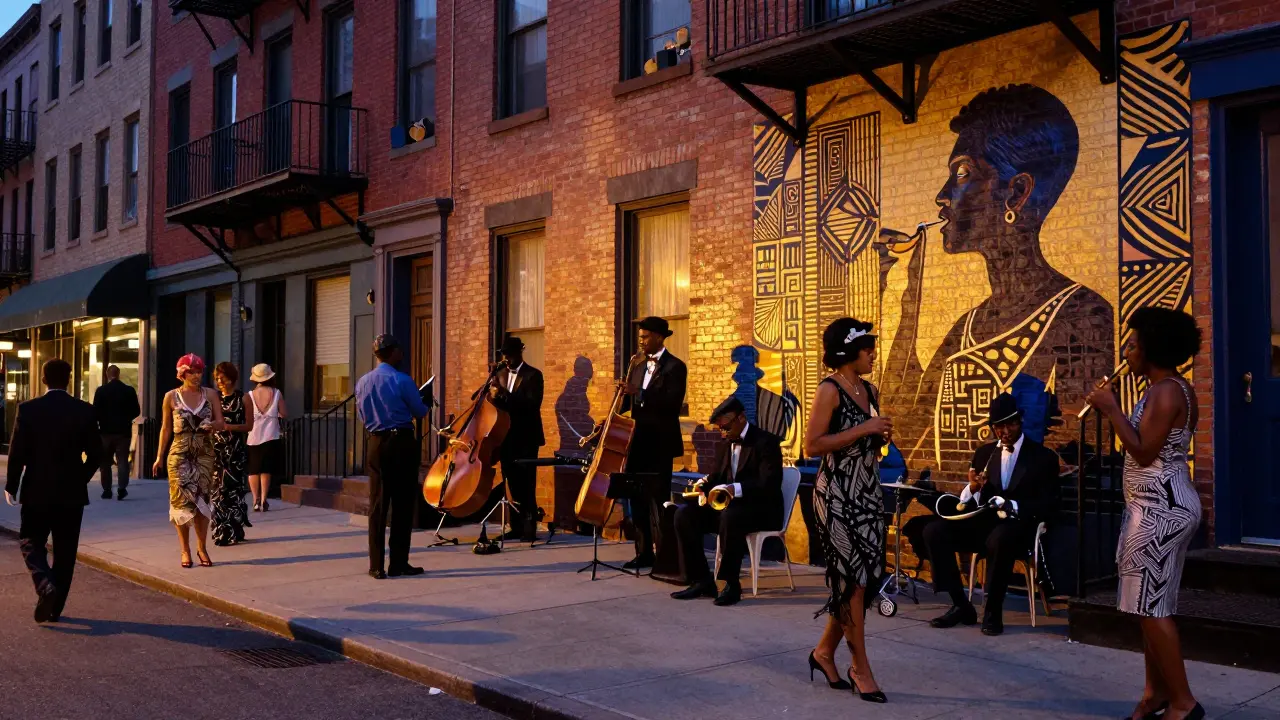
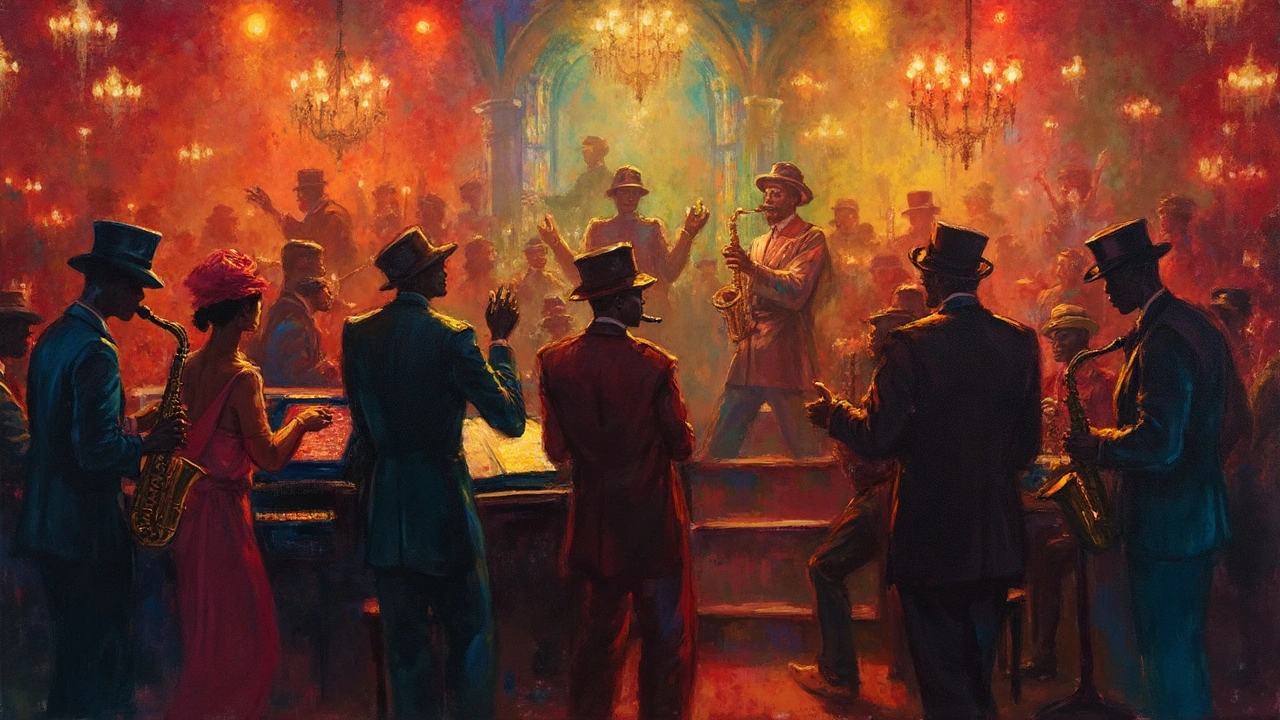
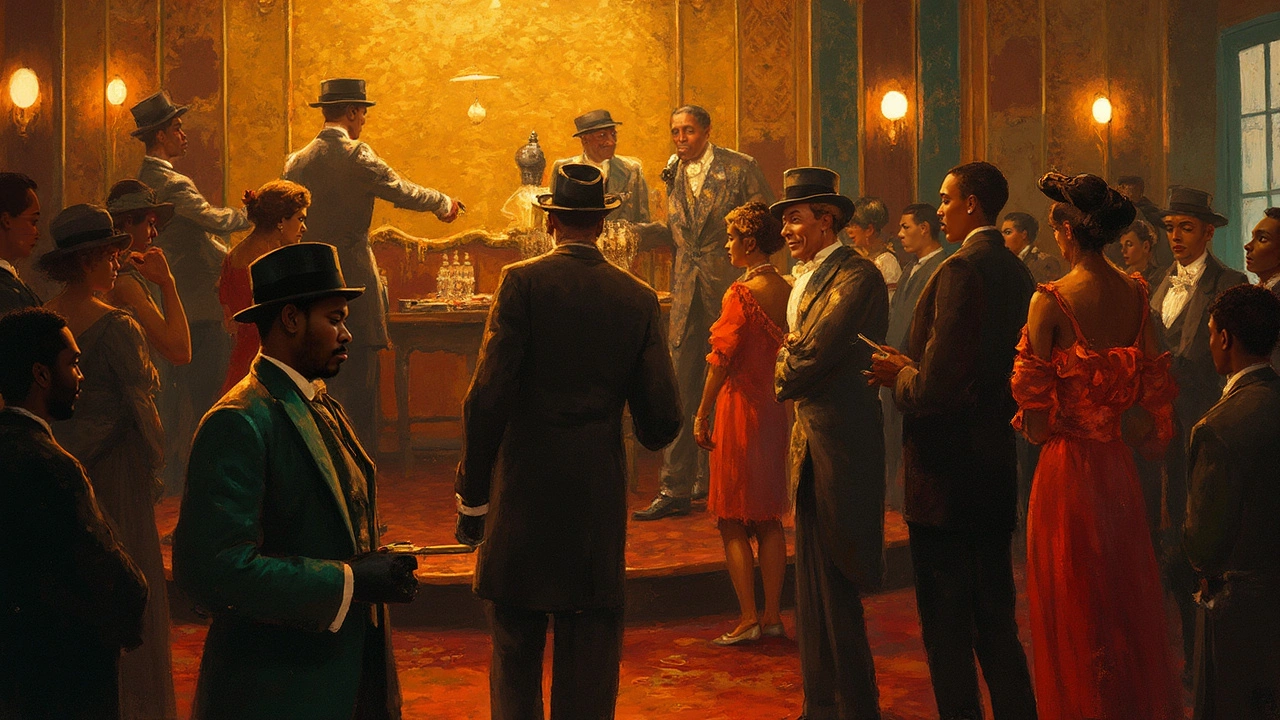
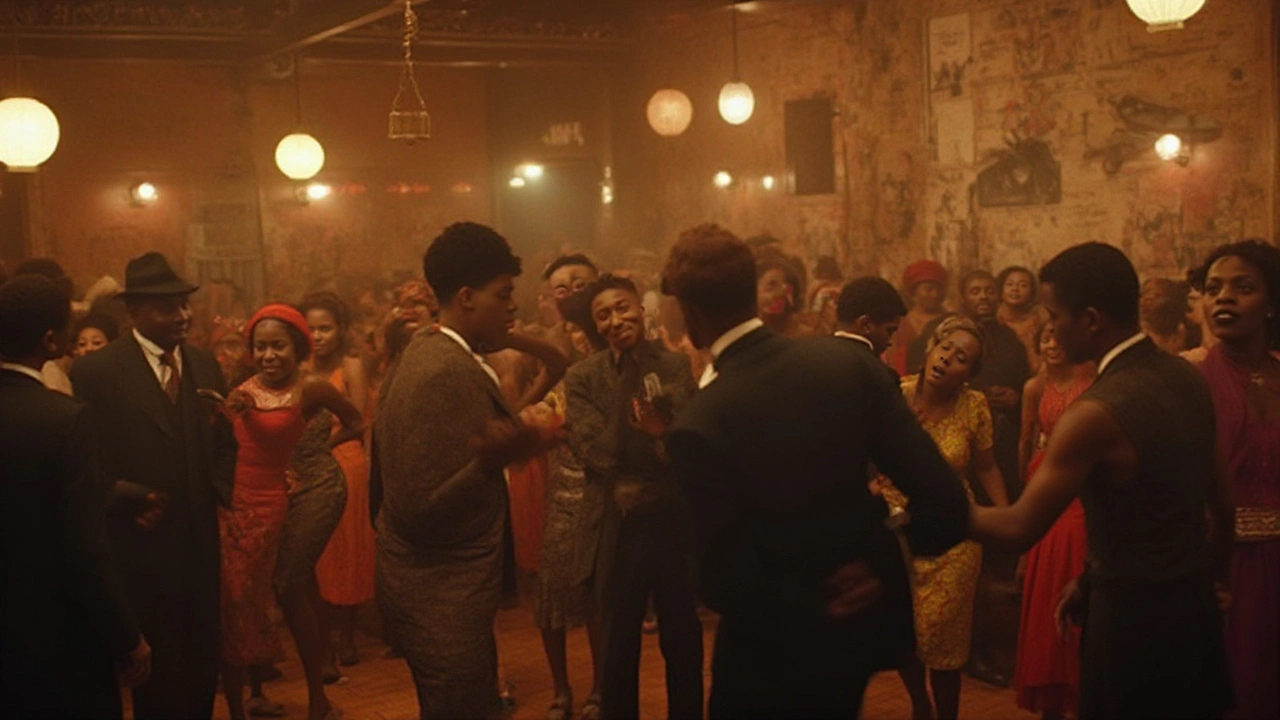
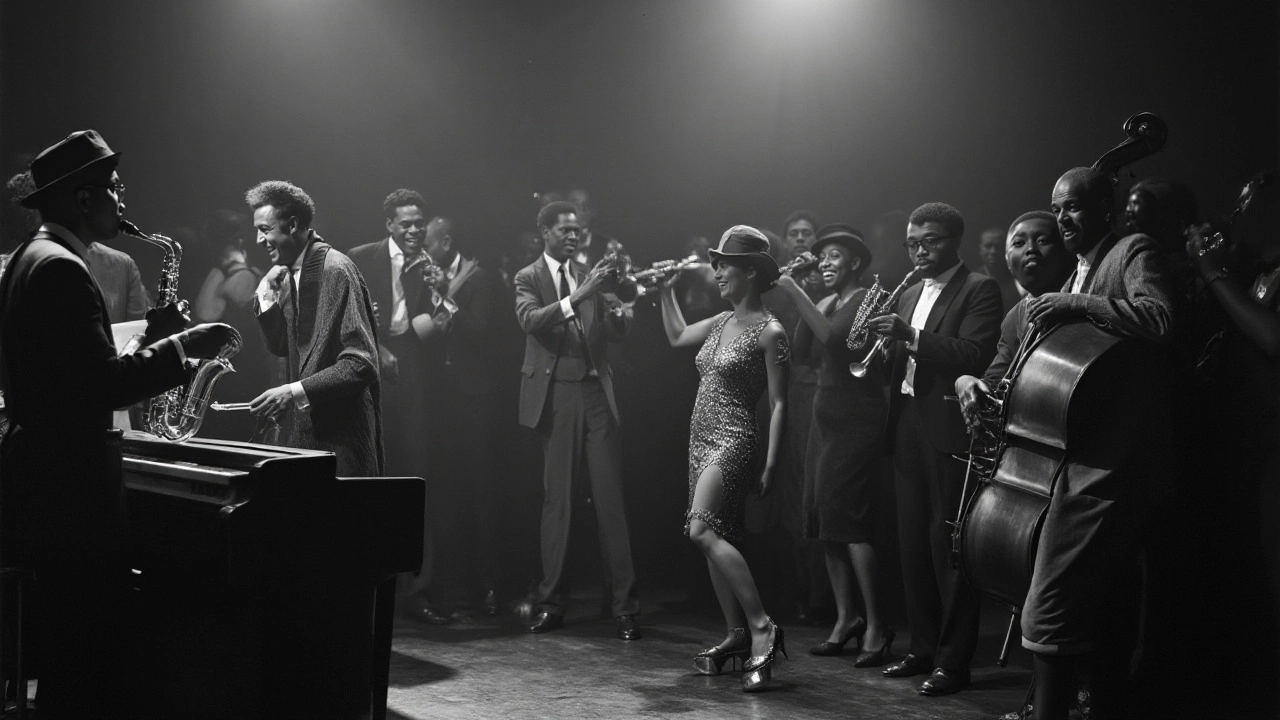
These creators weren’t isolated. Nightclubs and salons—like the Cotton Club and private gatherings—let writers meet musicians and painters. Collaboration mattered: a poet might read at a jazz club, a painter would design stage sets, and photographers documented the energy. That cross-pollination is why the movement feels so alive when you first explore it.
Themes, style, and lasting impact
The Harlem Renaissance mixed celebration and critique. Artists celebrated Black beauty, history, and everyday life while calling out racism and economic inequality. Visual work favored strong shapes, rhythmic patterns, and references to African art. Literature balanced humor, vernacular speech, and sharp political messages. Music brought improvisation and syncopation that changed popular music forever.
Its impact is concrete. The movement created a visible Black middle class of creators, changed publishing and recording opportunities, and pushed mainstream America to reckon with Black culture. Modern movements in music, visual art, and literature still borrow from its rhythms, themes, and confidence.
Want to visit the work? Start with museums and archives: the Schomburg Center in Harlem, the National Museum of African American History and Culture, and local galleries that highlight 1920s work. For reading, pick up Langston Hughes’s Selected Poems, Zora Neale Hurston’s novel, and essays by W.E.B. Du Bois. For music, hunt down early Ellington and Armstrong sets on streaming services or vinyl reissues—live recordings capture the era’s energy best.
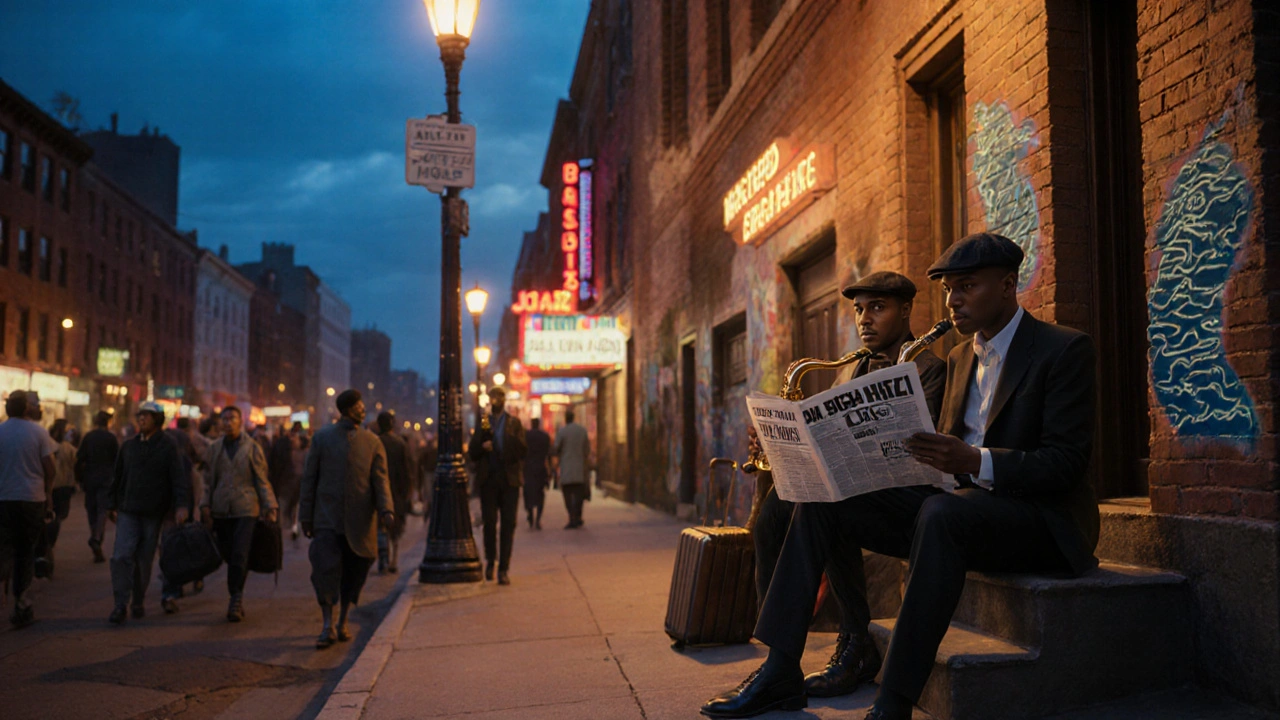
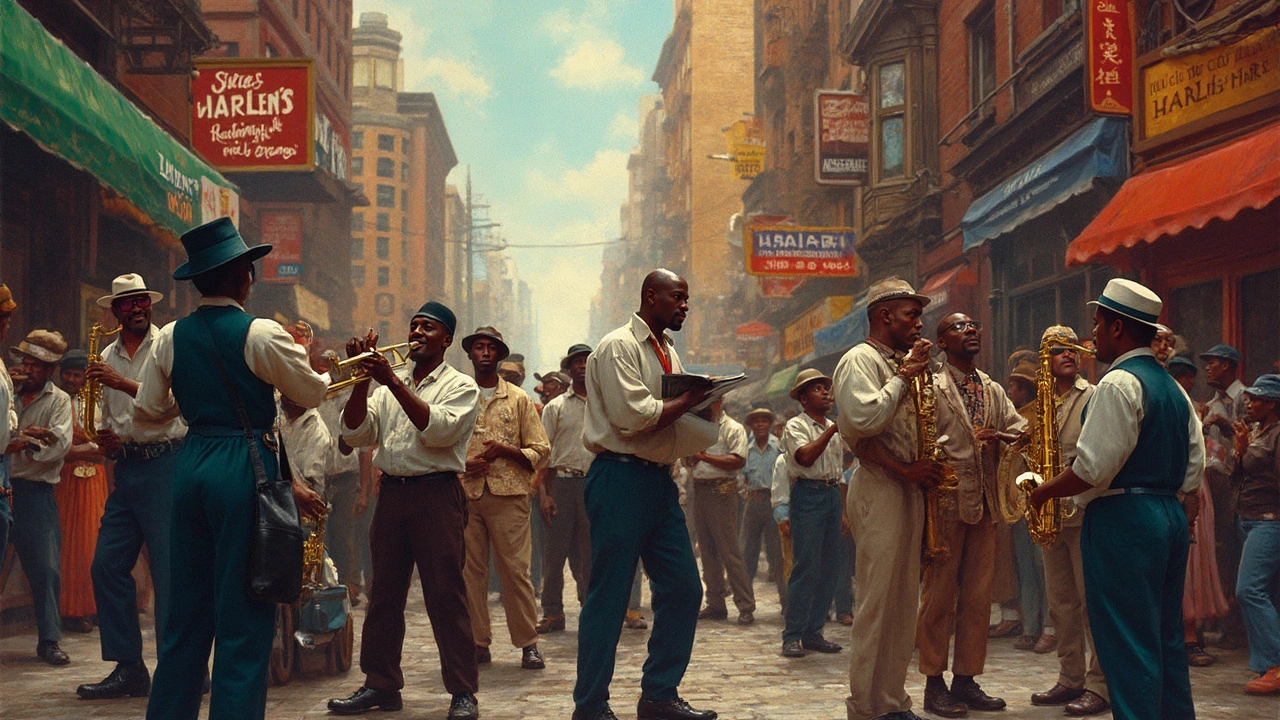
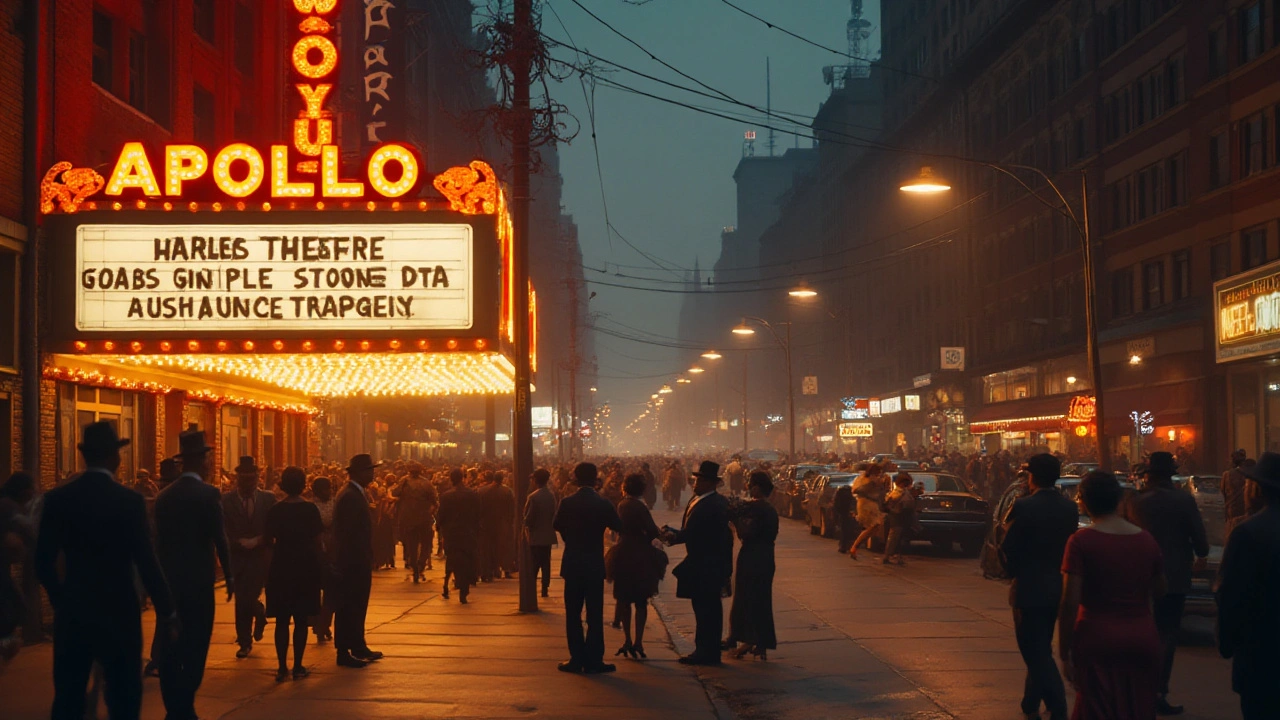
Walking Harlem today helps you connect places to history—look for Harlem walking tours that focus on literature and music venues. Small galleries and community programs keep the conversation alive, showing how the Harlem Renaissance still feeds creativity, politics, and pride. If you explore a few songs, a short novel, and a museum exhibit, you’ll get why this moment still matters.