Ecological Art: Nature-Inspired Works That Challenge How We See the Environment
When we talk about ecological art, art that directly engages with natural systems to raise awareness about environmental issues. Also known as environmental art, it doesn’t hang on walls—it grows in fields, rests on riverbanks, and changes with the seasons. This isn’t just art about nature. It’s art made from nature, often without permission, and usually without permanence. Artists don’t just depict the environment; they work with it, disrupt it, and sometimes heal it.
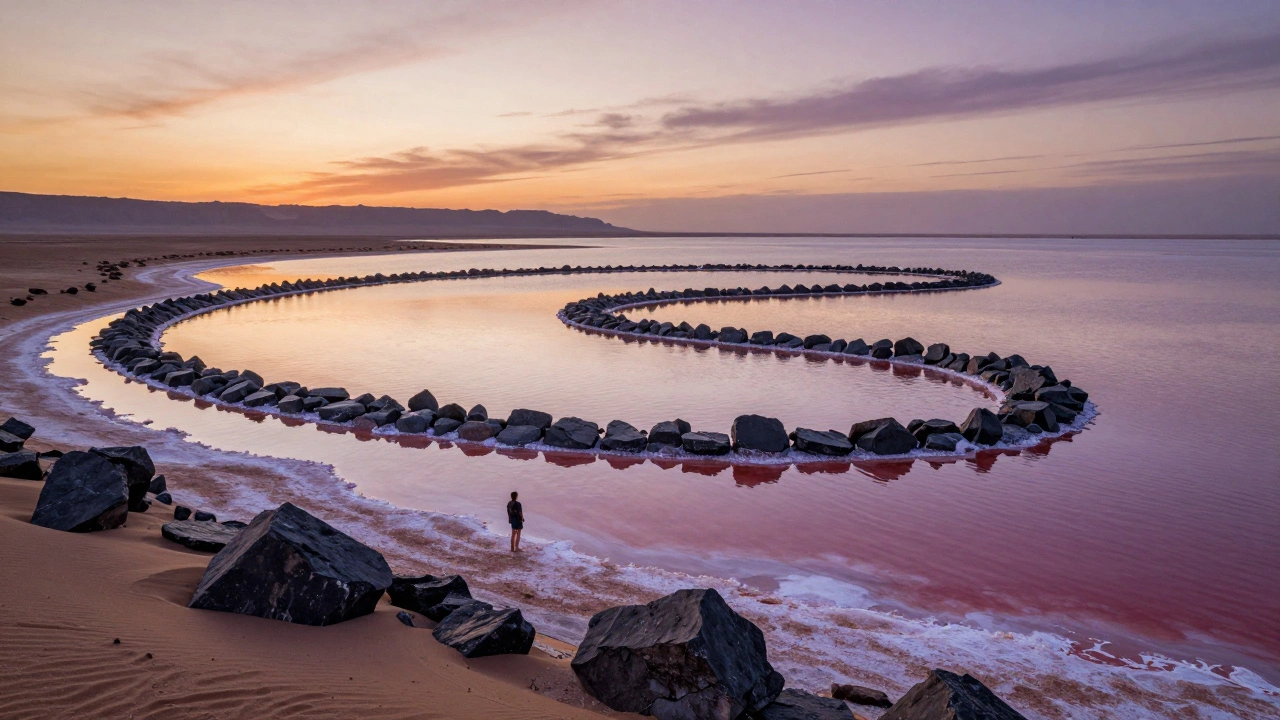
It’s closely tied to land art, large-scale installations built directly into landscapes using natural materials like rocks, soil, and vegetation. Think of Robert Smithson’s Spiral Jetty or Andy Goldsworthy’s delicate stone cairns that dissolve with the tide. But ecological art goes further. It asks: Who owns the land? What happens when we stop treating nature as a backdrop? It’s not about beauty alone—it’s about responsibility. Some pieces are temporary by design, forcing us to confront impermanence. Others use recycled materials or solar power, turning art into a quiet act of resistance against waste.
You’ll find earthworks, massive sculptural forms carved into the earth, often visible only from above. These aren’t just monuments—they’re interventions that change how we move through and think about the land. And while some artists focus on destruction—like showing the scars of mining or deforestation—others grow moss on concrete or plant trees in abandoned lots. It’s art that doesn’t wait for a gallery. It happens where the air is thick with pollution, where rivers run dry, or where wildflowers push through cracked pavement.
This isn’t a niche movement. It’s a response to real change. As climate anxiety grows, so does the need for art that doesn’t just reflect the crisis but participates in fixing it. You’ll see artists teaming up with scientists, farmers, and communities to create works that clean water, restore soil, or teach kids how to read the land. It’s messy, unpredictable, and alive.
What you’ll find in this collection isn’t just a list of artworks. It’s a map of how artists are redefining what art can do. From massive earthworks to tiny, hidden installations, these pieces don’t ask you to admire them—they ask you to reconsider your place in the world. Whether it’s through movement, material, or memory, ecological art doesn’t just show you nature. It makes you feel it.