Dynamic Sculpture: Movement, Material, and Meaning in Modern Art
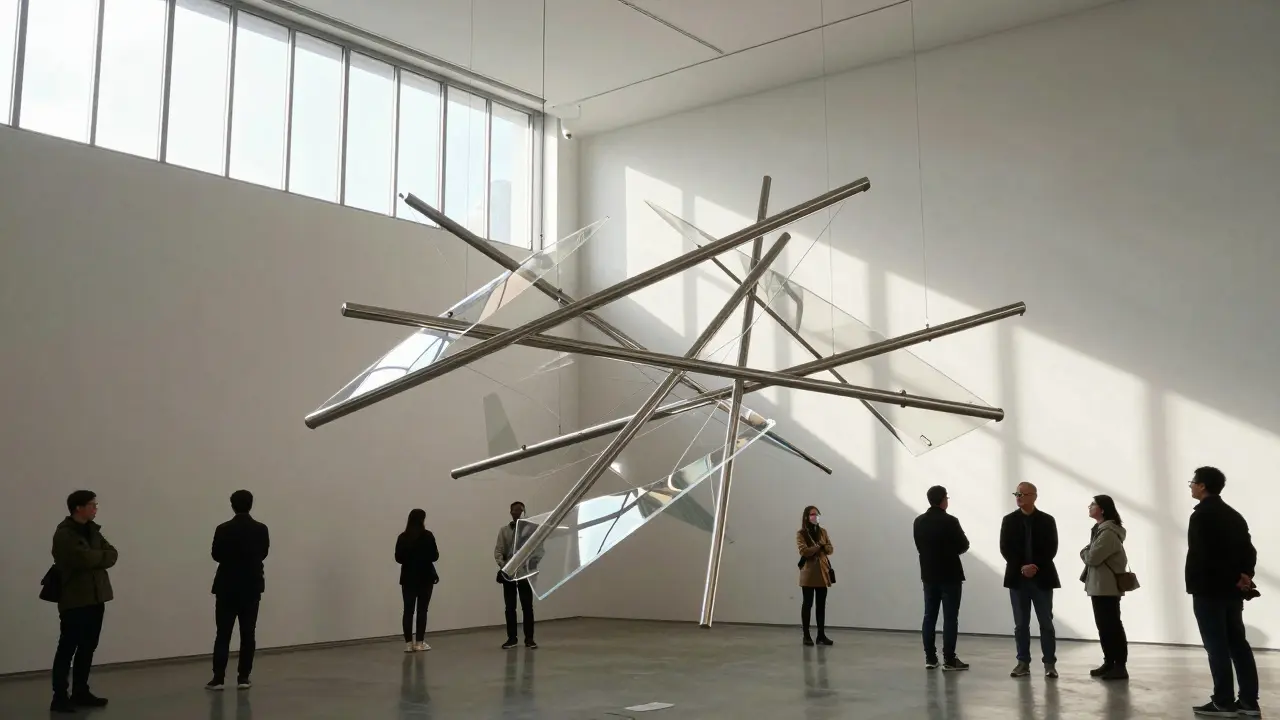
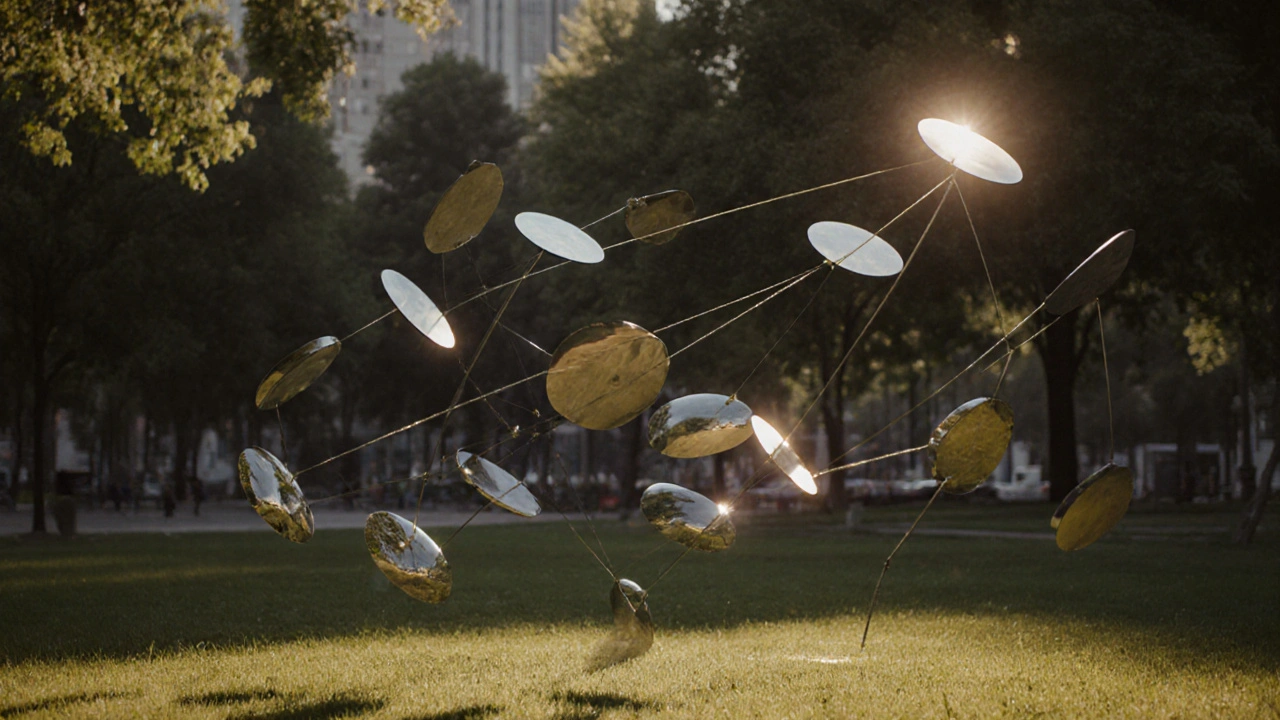
When we think of sculpture, we often picture statues frozen in time—marble figures, bronze busts, or stone monuments. But dynamic sculpture, a form of three-dimensional art that changes over time through motion, interaction, or environmental response. Also known as kinetic art, it doesn’t sit still. It breathes, rotates, sways, or reacts to light, wind, or people walking by. This isn’t just art you look at—it’s art you experience.
Dynamic sculpture isn’t new, but it’s become more urgent in recent decades. Artists started experimenting with movement in the early 1900s, inspired by machines, electricity, and the idea that art should reflect modern life. Today, it’s everywhere: in public plazas where wind turns metal shapes into silent dances, in galleries where sensors trigger light patterns as you pass, and in outdoor spaces where rain or temperature alters the piece itself. It overlaps heavily with installation art, large-scale, immersive environments designed to transform how you move through and feel a space, and environmental art, works that use natural materials and locations to make you rethink nature’s role in art. You’ll find it in the same spaces as land art, where Robert Smithson’s spirals of earth meet digital sculptures that shift with algorithms.
What makes dynamic sculpture different? It breaks the fourth wall. You’re not just a viewer—you’re part of the piece. A sculpture might respond to your voice, your shadow, or your speed as you walk past. Some use motors, others rely on gravity or natural forces. Materials range from steel and glass to fabric, water, and even living plants. It’s not about permanence. It’s about change. And that’s why it fits so well with today’s art world, where people want more than pretty objects—they want meaning, interaction, and surprise.
Below, you’ll find articles that dig into how this kind of art evolved, who’s making it today, and how it connects to bigger movements like Bauhaus design, Constructivism, and avant-garde activism. Some pieces are quiet and subtle. Others are loud, chaotic, and impossible to ignore. Whether you’re curious about how motion became part of art, or you’ve seen a spinning sculpture in a city square and wondered how it works—this collection has something for you.