Primitivism in Art: Origins, Key Artists, and Ethical Debates
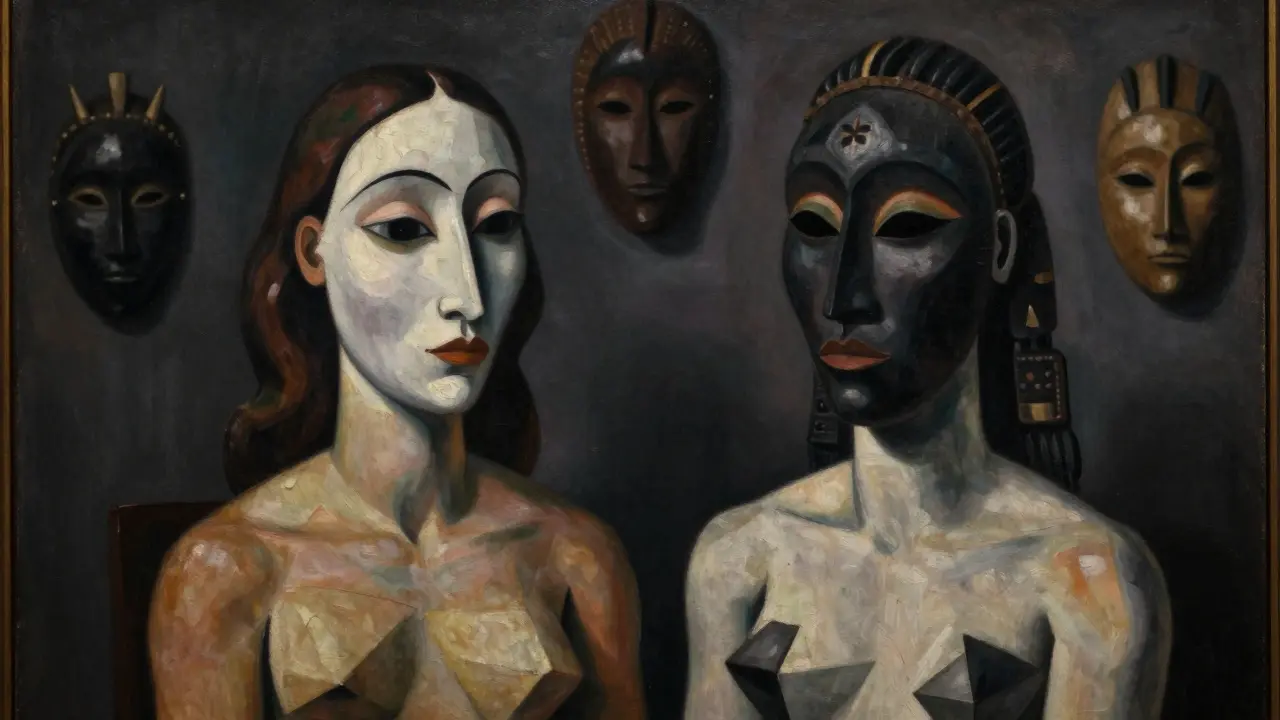
Explore the rise of Primitivism in modern art, from Picasso's African influences to the ethical debates surrounding cultural appropriation and colonialism.
ReadMore
Art history keeps a record of how people made meaning with images, objects, and spaces. It’s not just dates and famous names; it explains why certain styles appear, how social change pushes artists, and how design ideas trickle into everyday life. Use this tag page to find clear, focused articles on major movements — from Baroque drama to Bauhaus simplicity and from Harlem Renaissance voices to photorealism techniques.
Start with a simple timeline in your head: medieval and Gothic forms led to the Renaissance focus on realism; Baroque amped up drama; the 19th century questioned realism and gave birth to modernism; the 20th century exploded into many movements like Cubism, Futurism, Constructivism, Abstract Expressionism, Fluxus, and Bauhaus. Each movement reacted to what came before it and to wider social changes — wars, industry, technology, or new political ideas.
Look first at subject and mood: what is shown and how does it make you feel? Next, notice materials and technique — oil, marble, collage, or digital work — because the medium often shapes the message. Check composition: is the image balanced, chaotic, geometric? Finally, ask context questions: when was it made and what was happening then? These steps help you connect a piece to movements like Baroque’s drama or Bauhaus’s practical clarity.
If you prefer stories and people, read pieces like "10 Influential Figures Who Defined the Harlem Renaissance Era" or "Photorealism Artists You Must See." Want design and everyday impact? Try "Bauhaus Modernism" or "De Stijl's Impact on Graphic Design." For surprising crossover ideas, check "Land Art’s Impact on Modern Urban Design" and "Futurism’s Impact on Smart Cities." Each article shows how an art idea moved into architecture, fashion, music, or city planning.
Want to learn faster? Pick one movement and follow it forward: read about its origins, key artists, then look for modern examples. For example, start with Cubism: read a general overview, then an article on Picasso, then something on Cubism’s influence in graphic design. Small steps like that build a deeper picture without overwhelming you.
Art history matters because it teaches you how visual ideas travel and change. A pattern you see in a painting might show up later in a chair, a poster, or a building. Use the tag links below to jump between eras and themes, compare movements, and spot how old ideas resurface in new forms. Questions? Explore an article and drop a comment — sharing your take helps everyone see something new.
Use notes as you read: write down dates, artist names, and one line about why a piece mattered. Compare two works side by side—notice recurring shapes, colors, or themes. Those short notes turn random facts into a pattern you can remember and use.
Quick glossary: Modernism — breaking old rules to make new forms. Avant-garde — artists pushing risky ideas. Iconography — visual symbols that carry meaning across time. Keep these in mind when you read; they’ll help you spot deeper connections. Start with one article today now.

Explore the rise of Primitivism in modern art, from Picasso's African influences to the ethical debates surrounding cultural appropriation and colonialism.
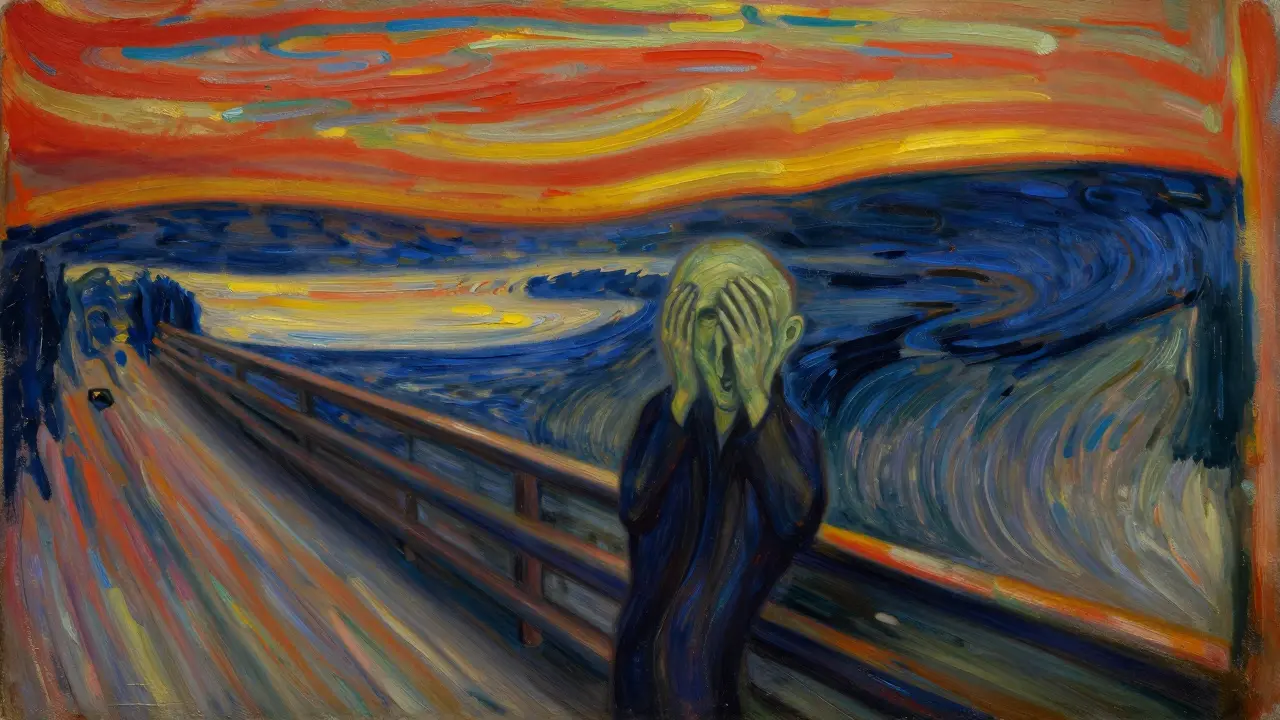
ReadDiscover how Expressionism transformed art by prioritizing raw emotion over reality. Learn about key artists, visual traits, and the movement's lasting impact on modern culture.
ReadClear, fast guide to how Abstract Expressionism still drives contemporary art-ideas, methods, case studies, what to look for, plus checklists, examples, and FAQs.
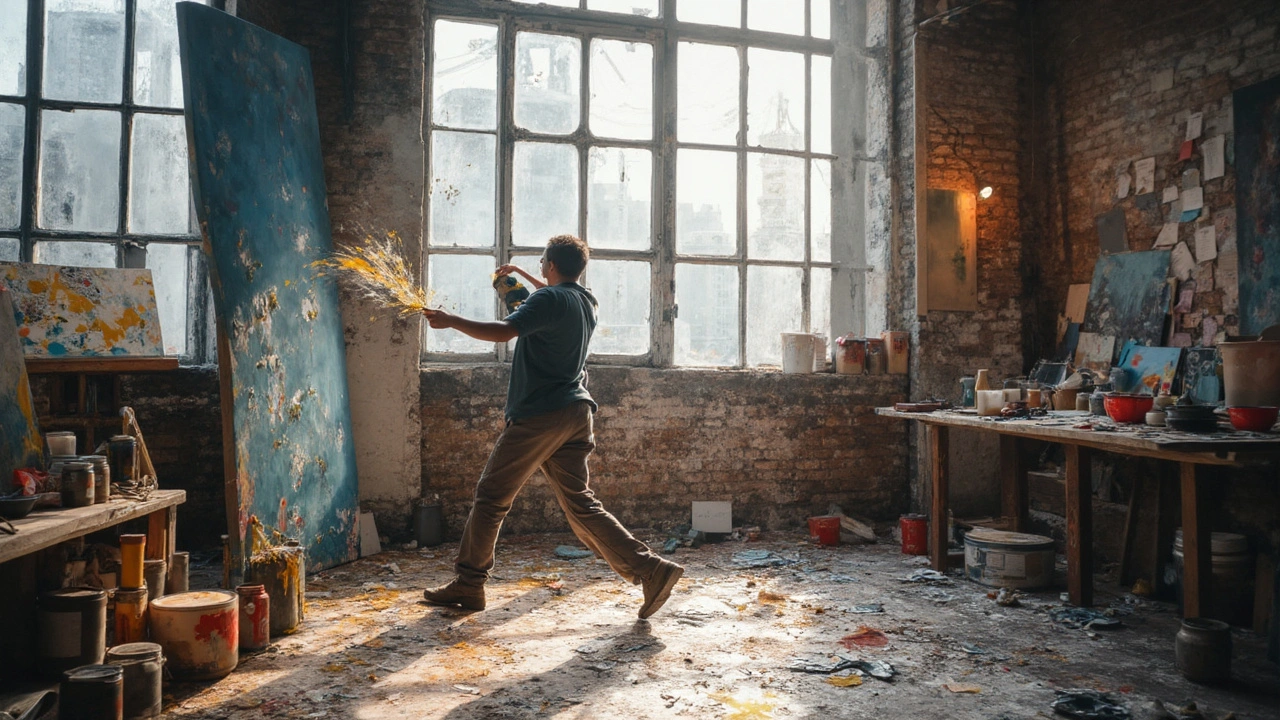
ReadDiscover how Abstract Expressionism changed modern art forever—its wild energy, leading artists, and lasting mark on creativity worldwide.
ReadDive into what 'abstract' truly means in Abstract Expressionism. Discover stories, ideas, and facts behind the art movement that changed history.
ReadCubism tore up the old rulebook for painting and turned the art world upside down. This article looks at how Cubist artists like Picasso broke down objects into geometric shapes and forced viewers to see the world differently. You'll find out what makes Cubism unique, what inspired its founders, and how to spot a real Cubist painting. Plus, there are practical tips for anyone interested in exploring Cubism for themselves.
ReadFluxus flipped the art world on its head by breaking down barriers between artist and audience, turning everyday life into art. This article unpacks how Fluxus artists challenged tradition, used humor, and brought performance to the forefront. You'll find out what sparked the movement, who some of the key players were, and the clever tricks they used to shake things up. Plus, you'll get pointers on how to spot Fluxus influences in today’s art scene. Dive in to see why Fluxus still packs a punch decades later.
ReadGet to know what made Baroque art so different from anything that came before it—bold colors, wild emotions, and bigger-than-life scenes. This article unpacks the famous artists, how they worked, and what tricks they used to grab viewers' attention. Want to see what makes a Caravaggio painting so intense or why Baroque churches look so dramatic? You'll find out here, plus tips on spotting Baroque details in real life.
ReadGothic art wasn't just about spooky cathedrals and stained glass—it changed the game for European culture. This article looks at how Gothic art turned ideas upside down and set the stage for the Renaissance. Learn how its architecture and innovations inspired artists to level up their craft. Find out why details like flying buttresses and natural sculptures mattered so much. See the real connections between these two legendary art movements.
ReadExpressionism isn't just another art movement—it's a bold reaction to reality. Instead of copying what they saw, expressionist artists twisted everything to spotlight intense feelings and inner turmoil. This article uncovers what made expressionism so electrifying, the key players, and how it still shakes up the art world today. You'll find out why these artists broke the rules and how their wild colors and strange shapes actually make us feel more, not less. Tips inside for spotting true expressionist art and digging into its raw emotional power.
Read