Street art isn’t just paint on walls-it’s a full-blown rebellion against the locked doors of galleries and the quiet halls of museums. For decades, the art world told us what counted as real art: oil on canvas, bronze statues, framed prints in white rooms. But now, a mural on a brick building in Berlin or a stencil on a New York subway wall draws more attention, more clicks, and more debate than most gallery shows. Street art didn’t ask for permission. It didn’t wait for approval. And now, it’s forcing the old guard to rethink everything.
Street Art Was Never Meant to Be in a Museum
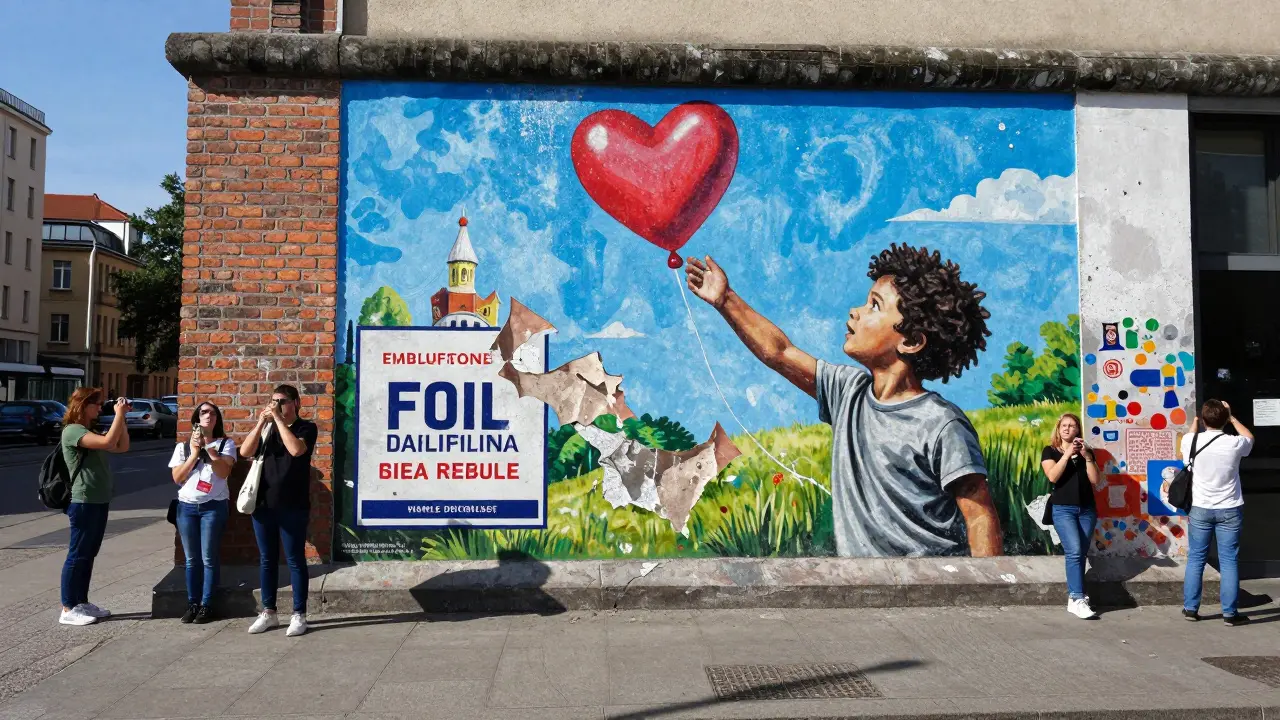
Early street artists didn’t dream of selling work at Sotheby’s. They wanted to be seen. To speak back. To turn public space into a canvas for the voiceless. Banksy’s early pieces-like the one in Bristol showing a child reaching for a balloon shaped like a heart-weren’t made for collectors. They were made for commuters, for kids walking home from school, for people who never stepped into a gallery. That’s the core difference: traditional art is curated. Street art is accidental. You stumble into it. It doesn’t sell you on its worth. It just hits you.
When the Tate Modern included a Banksy piece in a 2008 exhibition, it sparked outrage-not just from critics, but from street artists themselves. Was this co-opting? Or was it validation? The answer isn’t simple. But what’s clear is that the moment street art entered the institutional system, it lost some of its raw power. And yet, it gained something else: visibility on a scale no graffiti artist could have imagined.
The Gallery System Is Broken
Traditional art institutions operate on exclusivity. You need connections. You need credentials. You need to be invited. A 2023 study by the University of London found that over 70% of artists represented in major U.S. and European galleries came from families with art-world ties or attended elite art schools. Meanwhile, street artists often have no formal training. Many are self-taught. Some are teenagers. Others are former construction workers or teachers who started spraying at night.
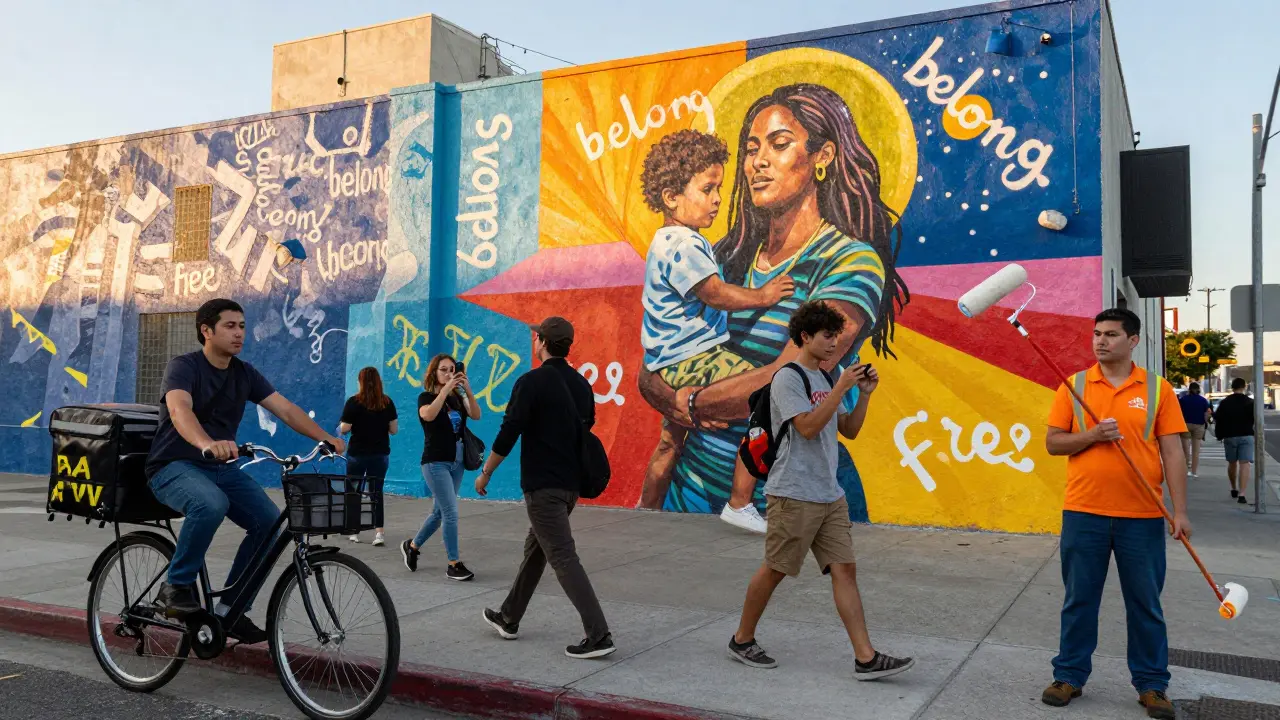
Think about it: if you’re a kid in Detroit with no money for art supplies but a can of spray paint and a bold idea, where do you go? Not to the Whitney. You go to the alley behind the laundromat. And if someone stops to look, that’s a win. That’s the democracy of it. The traditional system doesn’t just exclude people-it makes them feel like they don’t belong. Street art says: you belong here. Right now. Right where you are.
Street Art Is More Accessible, More Immediate
How many people have seen the Mona Lisa? Millions. But how many have actually stood in front of it? Probably fewer than 10% of those who’ve seen photos of it. Now compare that to a mural on the side of a building in Los Angeles. You don’t need a ticket. You don’t need to book a flight. You walk past it on your way to the bus stop, and there it is-colorful, loud, maybe political, maybe funny, maybe heartbreaking. It doesn’t require context. It doesn’t need a placard. It speaks in images, not jargon.
Instagram has only made this worse for traditional galleries. A single viral street art photo can get 500,000 likes. A gallery opening might get 500 visitors total. And the people sharing those street art photos aren’t art historians. They’re moms, students, delivery drivers. The audience isn’t curated. It’s real.
It’s Not Just About the Art-It’s About Ownership
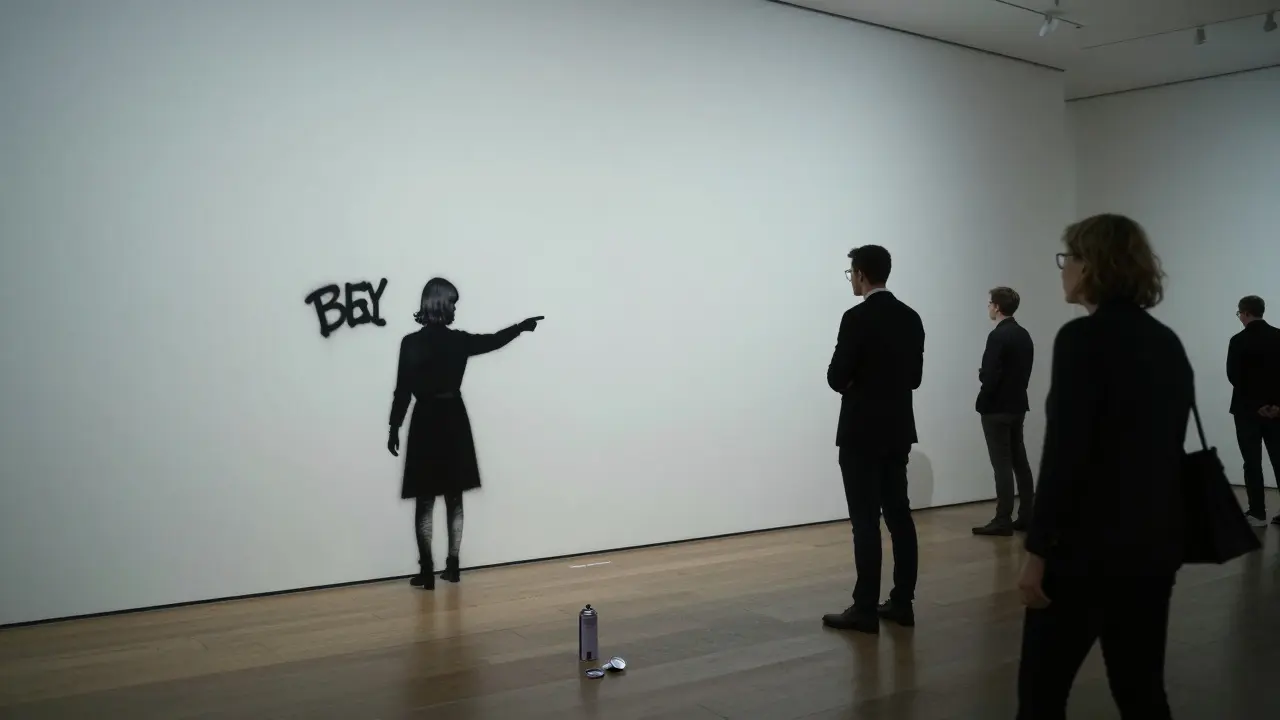
When a city paints over a mural, it’s called vandalism. When a corporation buys a wall, commissions a mural, then sells it as branded content, it’s called marketing. But when a local artist paints over a corporate ad to replace it with a message about housing rights? That’s resistance. That’s reclaiming space.
Street art challenges who gets to own public space. Who gets to decide what people see every day? The traditional art world answers: institutions, patrons, curators. Street art says: everyone. And that’s terrifying to the old system. Because if anyone can make art that matters, then the gatekeepers lose their power.
Big Names Are Changing the Game
Shepard Fairey’s “Obey Giant” campaign started as stickers on lampposts in Providence in 1989. Now his work hangs in the Smithsonian. JR’s giant black-and-white portraits of ordinary people have covered entire buildings in Paris, Rio, and the West Bank. His 2015 project inside the Louvre-where he pasted photos of refugees onto the museum’s glass facade-forced visitors to walk through the faces of displaced people just to get to the Egyptian galleries. That’s not art. That’s a punch in the gut.
These artists didn’t wait for a grant or a curator’s email. They acted. And now, museums are scrambling to keep up. The Brooklyn Museum hosted a major street art show in 2024. The Pompidou in Paris dedicated an entire wing to urban art. But here’s the twist: most of the pieces on display were never meant to be preserved. They were temporary. They were meant to fade. That’s the irony. The institutions that once ignored street art are now rushing to collect it-while the artists who made it are still painting on walls that get painted over in a month.
The Future Isn’t Either/Or-It’s Both
Street art isn’t going to kill the traditional art world. But it’s forcing it to change. Galleries are hiring curators who understand urban culture. Art schools are offering courses on graffiti techniques. Auction houses now list street art alongside Warhol and Basquiat. And prices? A Banksy sold for $25 million in 2021. A piece by a local artist in Mexico City? $300. But here’s the thing: the local artist doesn’t care. They’re still painting on walls. They’re still tagging alleyways. They’re still doing it because it matters to them-not because it might sell.
The real shift isn’t about money. It’s about meaning. Street art reminds us that art doesn’t need permission. It doesn’t need a frame. It doesn’t need to be labeled “important.” It just needs to be seen. And in a world where everything is filtered, polished, and sold, that’s radical.
What’s Next for Street Art?
Some artists are using AR apps to overlay digital murals on real buildings. Others are working with cities to turn abandoned buildings into legal art zones. In 2025, Barcelona launched a citywide program where residents vote on which walls get painted next. In São Paulo, local councils now fund street art projects that address mental health and youth violence.
The line between illegal and legal is blurring. But the spirit hasn’t changed. Street art still thrives in the spaces between rules. It’s still loud. Still messy. Still alive. And as long as there are walls, there will be voices on them.
Is street art considered real art?
Yes, but not because institutions say so. Street art is real art because it moves people, sparks conversation, and reflects the culture it comes from. It doesn’t need a museum to validate it. It’s real the moment someone stops to look, takes a photo, or feels something because of it.
Why do some people call street art vandalism?
Because it often appears without permission on private or public property. But calling it vandalism ignores intent. A spray-painted tag on a bathroom wall is vandalism. A mural that tells the story of a neighborhood’s history-created with community input-is public art. The difference isn’t the medium. It’s the message and the method.
Can street art survive if it becomes commercialized?
It already has-but not all of it. Some artists have successfully navigated the transition, using gallery sales to fund free public projects. Others refuse to sell, keeping their work in the streets. The danger isn’t commercialization itself. It’s losing the connection to the community. When art becomes a product, it risks losing its purpose.
Who decides what counts as street art?
No one. That’s the point. There’s no official list. No certification. If someone puts art in public space without permission and it resonates, it’s street art. It’s defined by the people who see it, not by critics or curators.
Is graffiti the same as street art?
Graffiti is one form of street art, but not all street art is graffiti. Graffiti is often text-based-tags, throw-ups, pieces-focused on name recognition. Street art is broader: stencils, murals, installations, wheatpaste posters. It’s more about imagery and message. Some graffiti artists see street art as selling out. Others see it as evolution.