18th Century Design: The Grandeur, Rules, and Lasting Influence on Modern Art
When we talk about 18th century design, the dominant visual language of Europe from 1700 to 1800 that blended opulence with emerging rationality. Also known as Louis XV and Louis XVI styles, it’s not just about fancy furniture—it’s the moment when art shifted from religious spectacle to courtly elegance, then back to reason. This era didn’t just decorate palaces; it defined how power, taste, and identity were shown through shape, material, and detail.
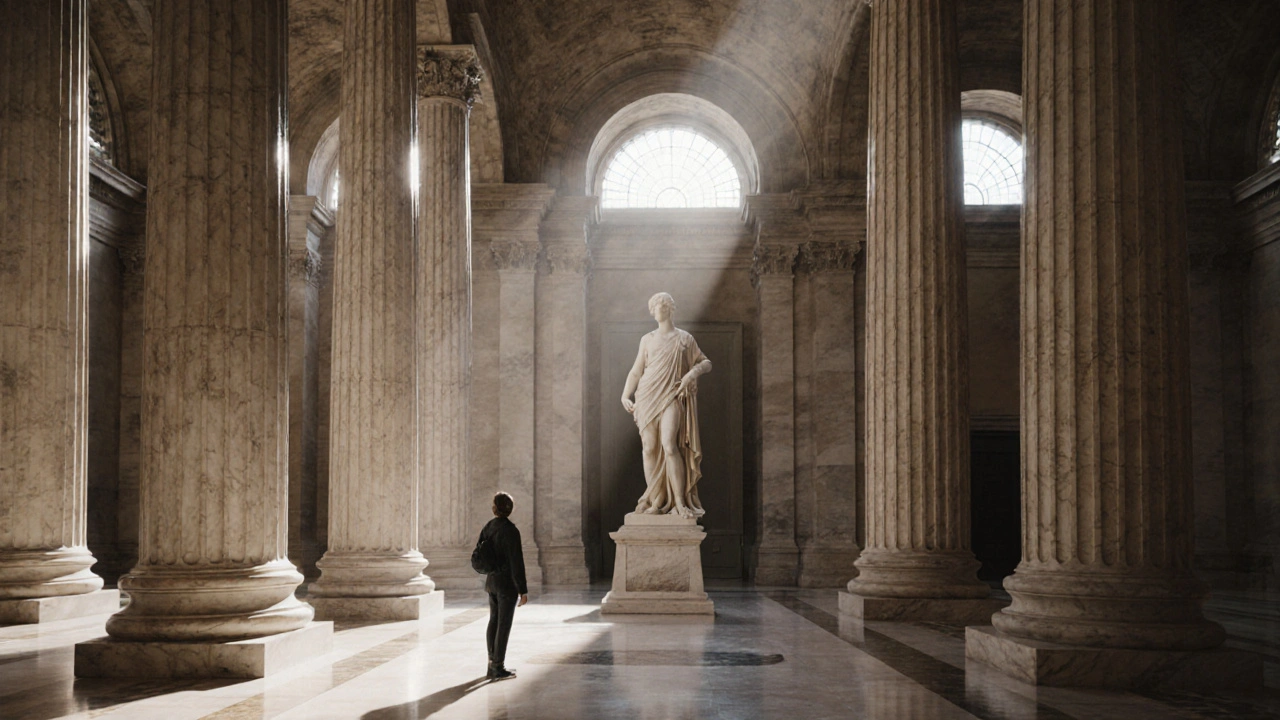
At its start, Baroque art, a dramatic, emotional style full of movement, gold, and theatrical lighting used by churches and monarchs to overwhelm the senses. Also known as the Age of Grandeur, it ruled early in the century—think swirling ceilings in Vienna, gilded frames in Versailles, and marble statues that seemed to breathe. But by mid-century, people grew tired of the chaos. Enter Rococo, a lighter, playful offshoot of Baroque that favored pastels, curves, and intimate scenes of love and leisure. Also known as the French decorative style, it took over salons and boudoirs, turning walls into painted fantasies with flowers, shells, and delicate figures. But even Rococo couldn’t last. The Enlightenment was rising. Philosophers like Voltaire pushed for logic over luxury. That’s when neoclassicism, a return to the clean lines and moral clarity of ancient Greece and Rome, became the new standard for art and architecture. Also known as the Age of Reason, it replaced curls with columns, gold with marble, and emotion with order. You see its legacy today in government buildings, museums, and even modern logos.
These weren’t just trends—they were reactions. Baroque shouted. Rococo whispered. Neoclassicism commanded. And all three shaped how we think about beauty now. The symmetry you love in a minimalist sofa? That’s 18th century design. The way a grand staircase still feels dramatic? That’s Baroque. The delicate scrollwork on a porcelain teacup? That’s Rococo. Even apps and websites borrow from its grid-based clarity. The 18th century didn’t end with a bang—it evolved into the bones of modern visual culture.
Below, you’ll find articles that dig into the art movements, key figures, and lasting echoes of this pivotal century—from how Baroque drama still shows up in film lighting, to why neoclassical principles quietly guide today’s interiors. No fluff. Just the real connections between then and now.