How De Stijl Shaped Modern Furniture Design
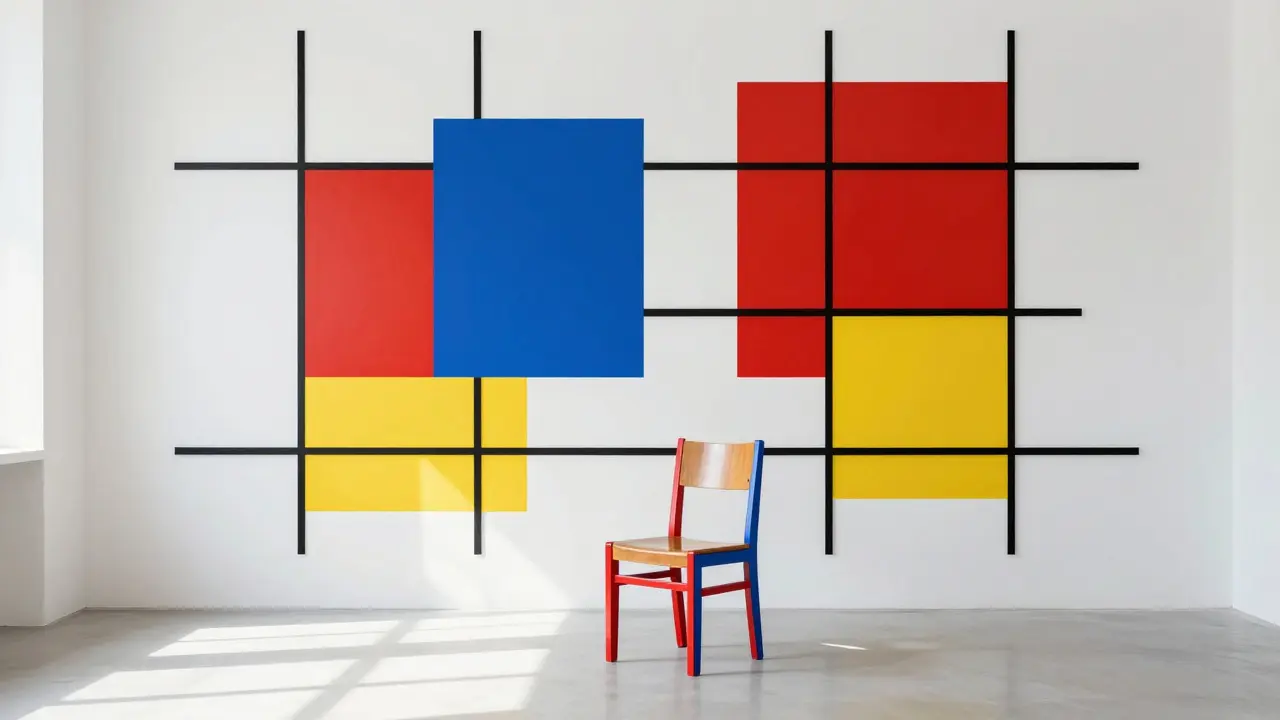
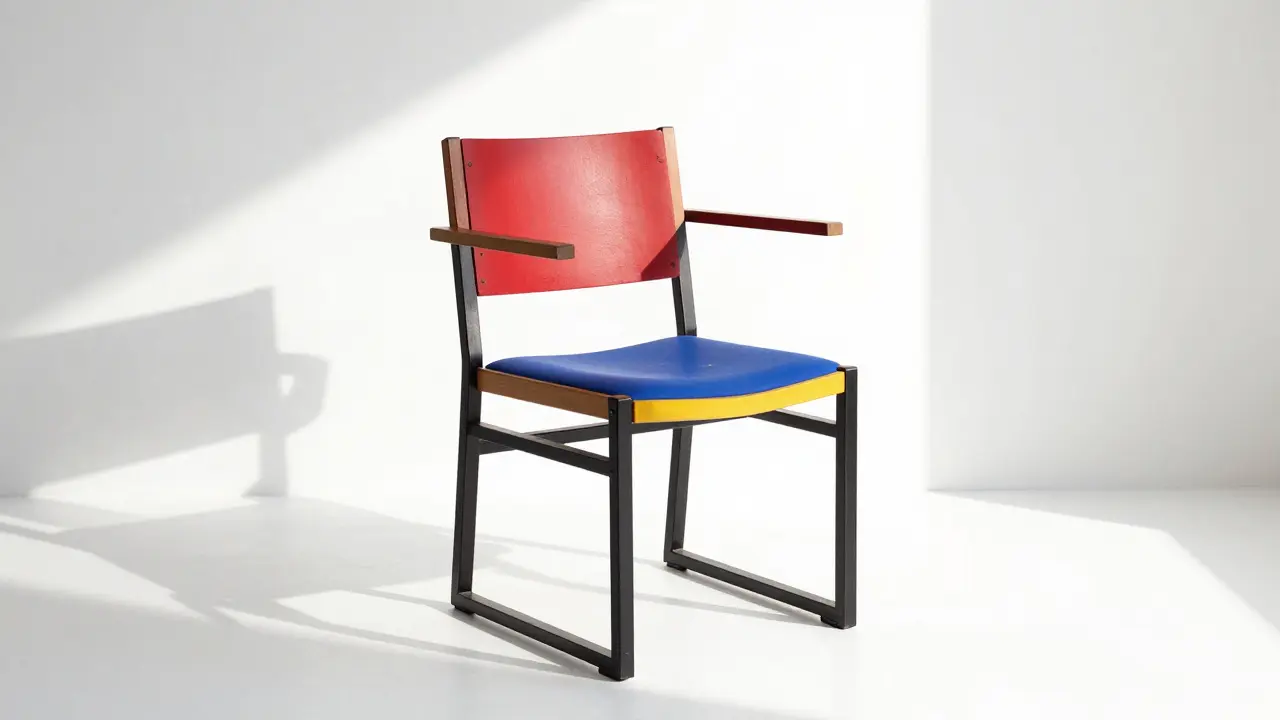
De Stijl revolutionized furniture design with bold geometry, primary colors, and stripped-down forms. From Rietveld’s iconic chair to today’s minimalist interiors, its influence is everywhere.
ReadMore
De Stijl revolutionized furniture design with bold geometry, primary colors, and stripped-down forms. From Rietveld’s iconic chair to today’s minimalist interiors, its influence is everywhere.
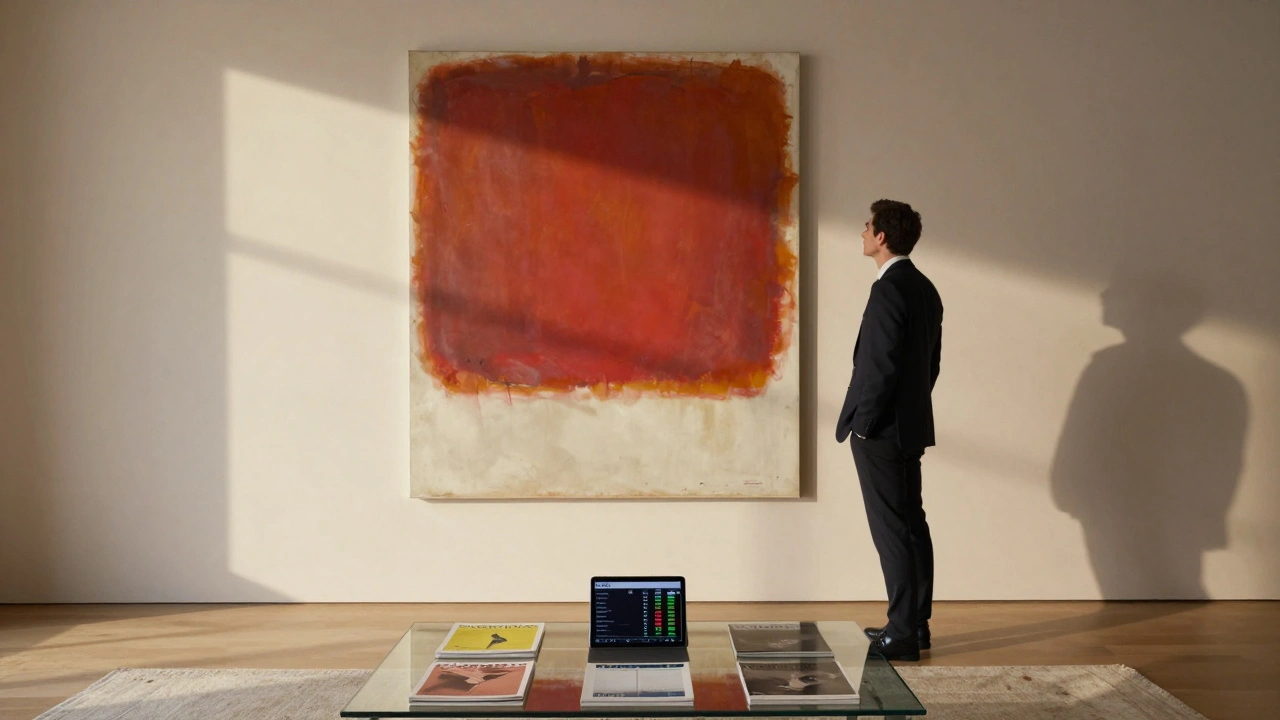
ReadModern art is more than decoration-it's a growing asset class with real financial returns. Learn how to invest wisely, avoid hidden costs, and understand what drives value in today's art market.
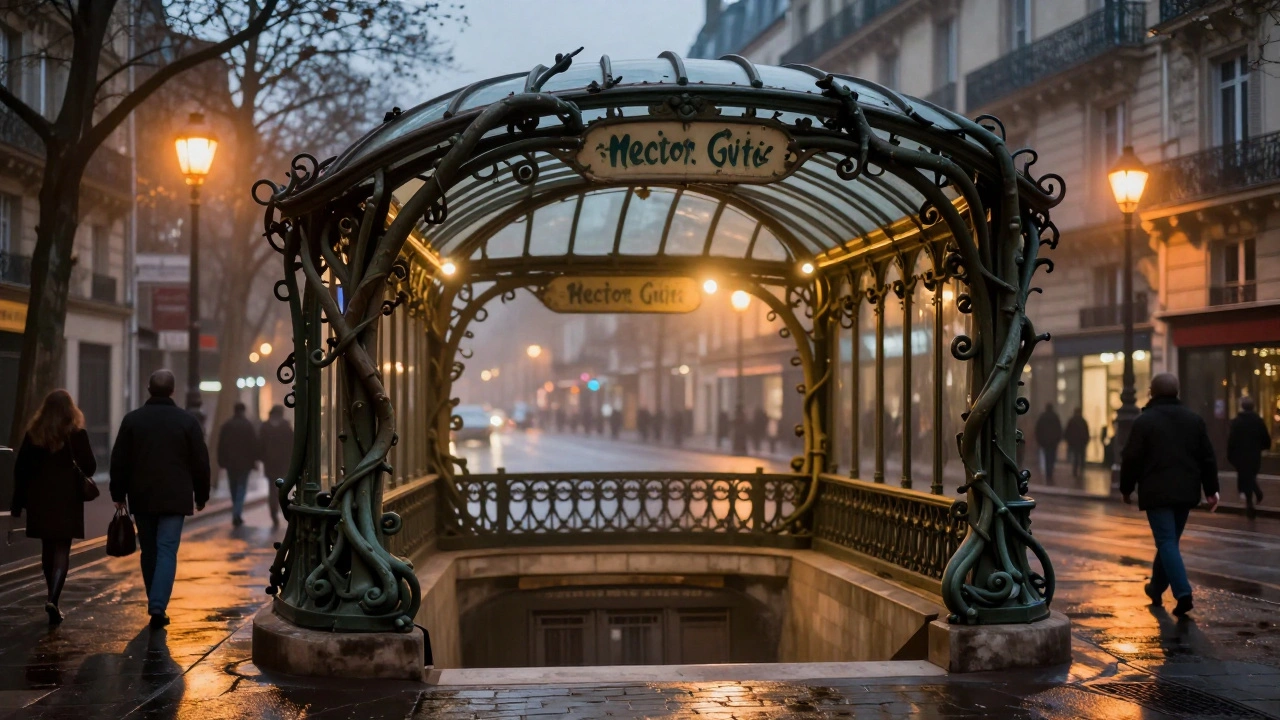
ReadArt Nouveau was the defining aesthetic of the Belle Époque, blending nature, craftsmanship, and modernity into every detail-from subway entrances to teacups. It redefined beauty in everyday life.
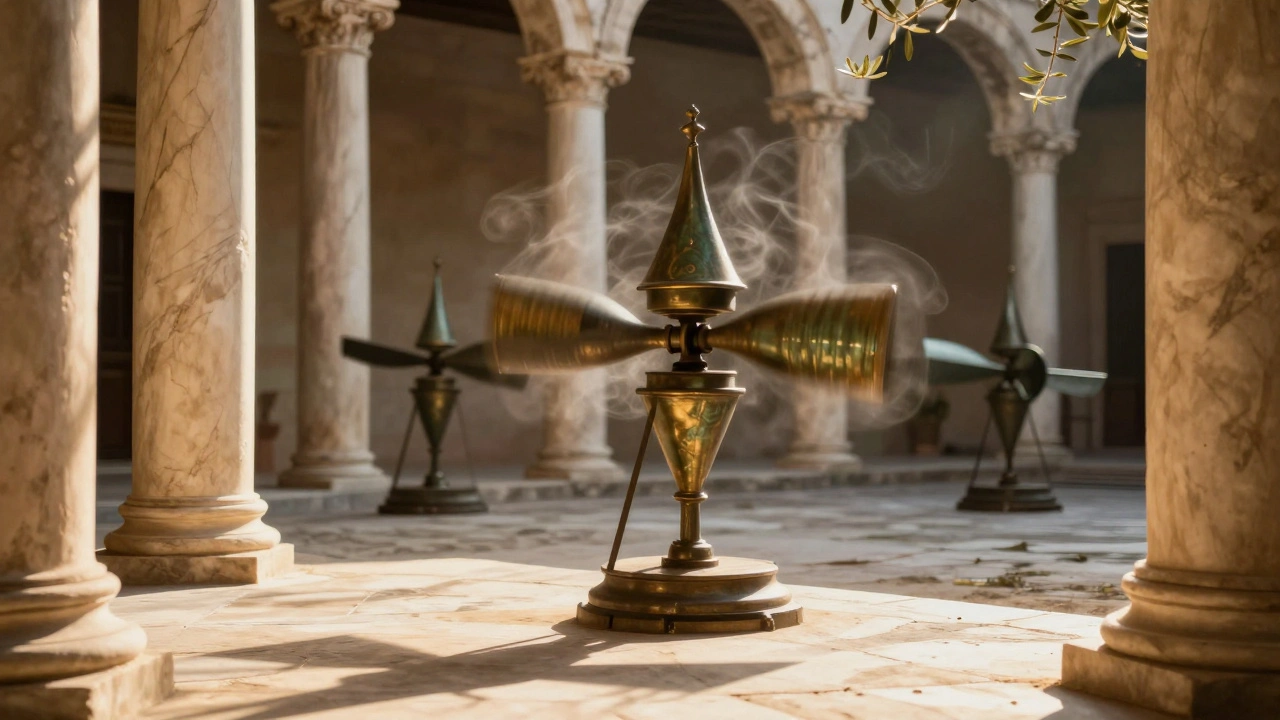
ReadKinetic art transforms sculpture and space through motion-from Alexander Calder’s wind-driven mobiles to AI-responsive installations. Discover how movement became the heart of modern art and why it still captivates us today.
ReadTrace the bold evolution of modern art from Impressionism to today's boundary-pushing works. Discover how artists broke rules, challenged perceptions, and turned everyday objects into powerful statements.
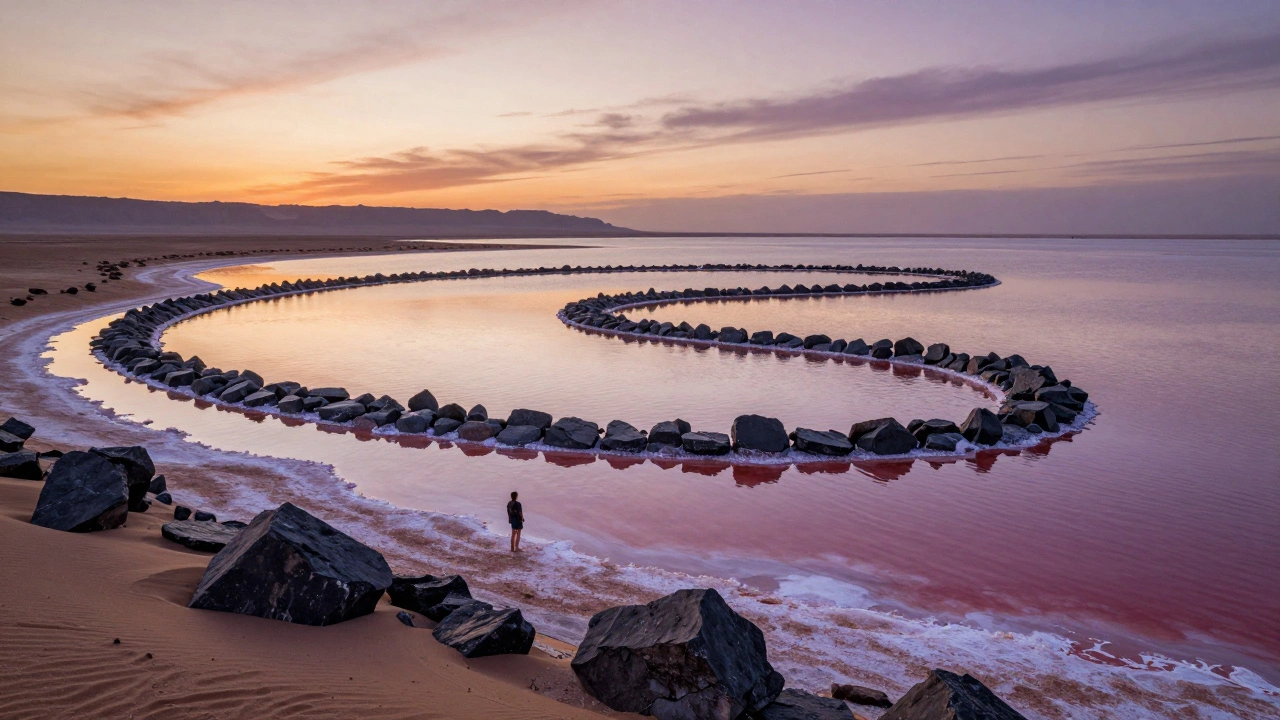
ReadLand art reconnects us to the natural world through temporary, site-specific works made from earth, stone, and organic materials. It challenges consumerism, responds to climate change, and reminds us we belong to the land-not above it.
ReadNeoclassicism revived ancient Greek and Roman ideals in art, architecture, and design during the 18th century. Known for symmetry, restraint, and moral clarity, it shaped government buildings, paintings, and even modern minimalism. Its influence endures in today’s clean, timeless aesthetics.
ReadExplore the most powerful contemporary art pieces of the 21st century - from Kusama’s mirrored rooms to Hirst’s shark - and understand why they still move millions today.
ReadClassicism is the enduring principle of balance, proportion, and restraint in art-from ancient Greece to modern design. It’s not a style of the past, but a timeless approach to creating beauty that lasts.
ReadLand art uses natural materials like earth, rocks, and water to create temporary, site-specific works that exist outside galleries and borders. It challenges ownership, permanence, and how we relate to nature.
Read