When you watch a film like The Godfather or Vertigo, you don’t just see a story-you feel its weight. Every frame feels deliberate. The pacing breathes. The characters don’t just act; they evolve with quiet, inevitable logic. That’s not luck. That’s classicism in cinema.
What Classicism in Cinema Really Means
Classicism in cinema isn’t about old black-and-white movies or fancy costumes. It’s a way of telling stories that follows principles developed over centuries-before cameras even existed. It comes from ancient Greek drama, Renaissance painting, and 18th-century literature. At its core, classicism values balance, clarity, and emotional truth.
Unlike experimental films that break rules to shock or confuse, classicist films build their power on structure. They follow a clear beginning, middle, and end. Characters have motivations that drive their choices. Conflict arises naturally from who they are, not from random plot twists. The camera doesn’t jump around wildly. It observes. It waits. It lets the story unfold.
Think of it like a well-built house. You don’t notice the foundation, but without it, everything collapses. Classicism is that foundation. It’s why you can rewatch Casablanca ten times and still feel something new.
The Three Pillars of Classical Storytelling
Three things hold classicist cinema together: unity, causality, and restraint.
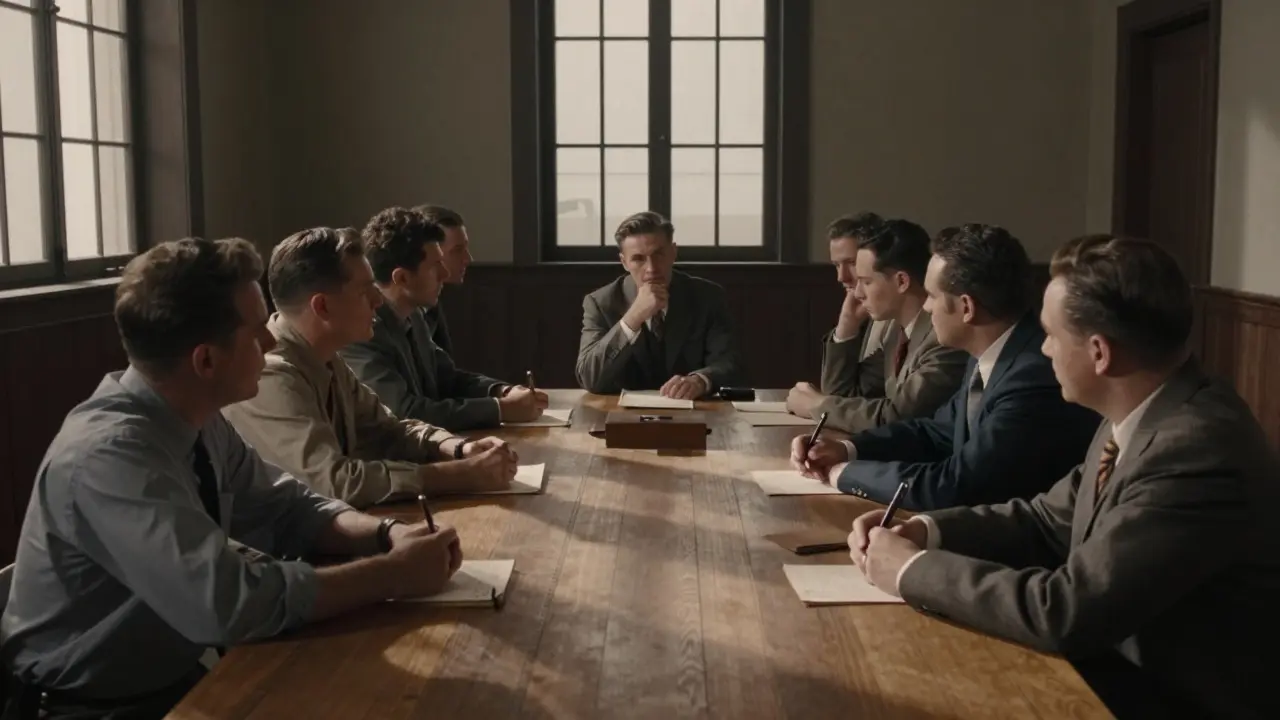
- Unity means every scene serves the whole. No filler. No distractions. In 12 Angry Men, the entire film takes place in one room. That’s not a limitation-it’s precision. Every word, every glance, every silence pushes the story forward.
- Causality is the chain of cause and effect. In a classicist film, if a character makes a decision, you see why. In On the Waterfront, Terry Malloy’s choice to testify isn’t sudden. It’s built over hours of quiet guilt, broken friendships, and moral erosion. The audience doesn’t need exposition. They feel it.
- Restraint is the quiet power of holding back. Modern films often scream. Classicist films whisper-and that’s louder. In The Searchers, John Wayne’s character doesn’t monologue about his hatred. His silence, his posture, the way he stares into the distance says more than any speech ever could.
These aren’t just techniques. They’re beliefs. Classicism trusts the audience to understand emotion without being told. It doesn’t need music to tell you when to cry. It lets the moment breathe.
Classicism vs. Modern Trends
Today’s cinema loves fast cuts, unreliable narrators, and fractured timelines. Films like Everything Everywhere All at Once or Parasite are brilliant-but they’re not classicist. They play with structure. Classicism builds it.
Modern blockbusters often rely on spectacle: explosions, CGI, and cliffhangers. Classicism relies on tension: the pause before a confession, the look across a dinner table, the way a door closes without a word.
Take The Shawshank Redemption. It’s 142 minutes long. No car chases. No aliens. No time loops. Just a man waiting, hoping, enduring. And yet, it’s one of the most emotionally powerful films ever made. Why? Because it follows the classical rule: character drives plot.
Modern films often ask: What happens next? Classicist films ask: Why does this matter?
Where You Still See Classicism Today
Classicism isn’t dead. It’s hiding in plain sight.
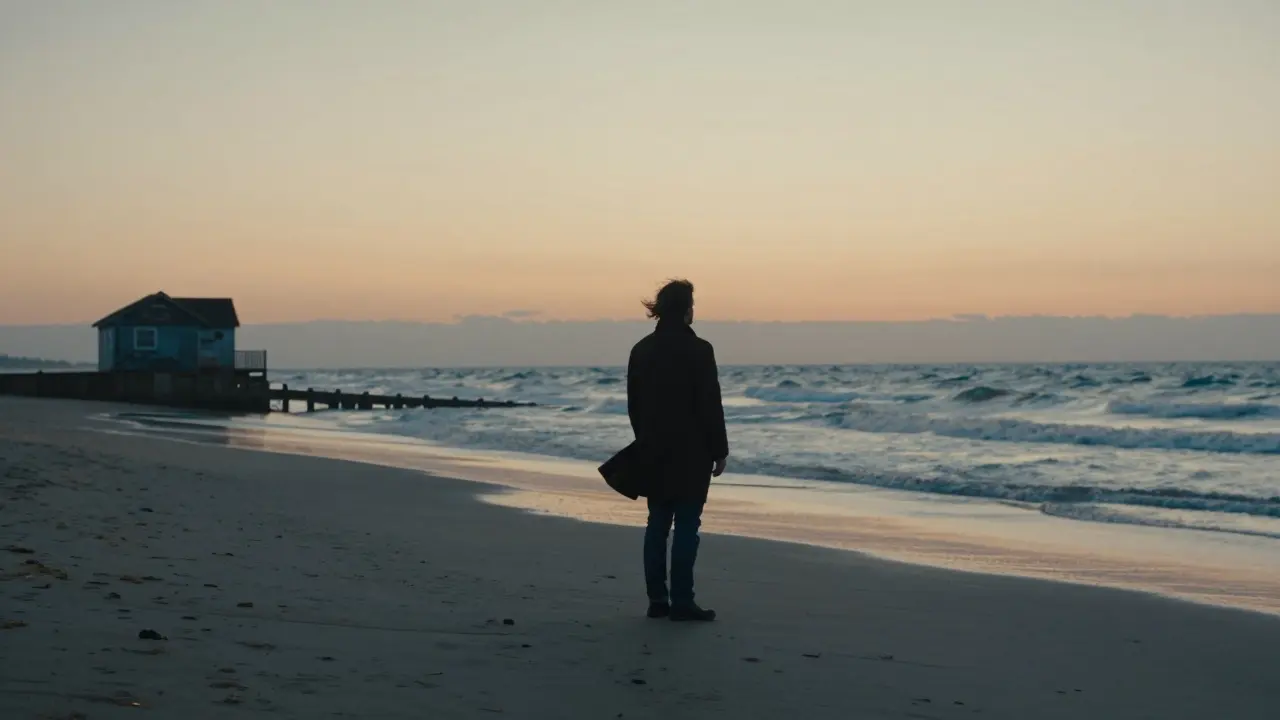
Take Manchester by the Sea. The story moves slowly. The protagonist doesn’t have a grand redemption arc. He just tries to survive his grief. The film doesn’t explain his pain. It shows it-in the way he stares at the ocean, in the way he avoids his brother’s house, in the silence between two people who love each other but can’t speak.
Or The Father. The film doesn’t use title cards or voiceovers to explain dementia. It puts you inside the confusion. The walls shift. People change. Time slips. You don’t understand what’s happening-because the character doesn’t either. That’s classicism: empathy through structure, not exposition.
Even in genre films, classicism survives. No Country for Old Men has a violent plot, but its rhythm is slow, deliberate. The villain doesn’t monologue. He just exists. The hero doesn’t win. He walks away. That’s not a flaw-it’s the point. The film respects the audience’s intelligence. It doesn’t tie everything up with a bow.
Why Classicism Still Matters
We live in a world of noise. Notifications. Algorithms. Endless scrolling. We’re trained to expect constant stimulation. But great stories don’t need that. They need stillness.
Classicism in cinema is a quiet rebellion. It says: You don’t need to be told how to feel. You just need to be allowed to feel.
It’s why people still quote lines from It’s a Wonderful Life or Some Like It Hot decades later. It’s why films like Amélie or Carol still move audiences-even when they’re not filled with explosions or special effects.
Classicism teaches us that the most powerful moments in life aren’t loud. They’re the ones we remember because they were real. A handshake. A look. A pause. A door closing.
When you watch a classicist film, you’re not being entertained. You’re being invited to remember what it means to be human.
How to Recognize Classicism When You See It
Next time you watch a film, ask yourself:
- Does the story unfold because of character choices, or because the writer needs a twist?
- Are scenes cut short to keep pace-or do they linger to let emotion sink in?
- Is the music telling you how to feel-or is it silent, letting the actors speak?
- Do the characters change in believable ways-or do they suddenly become someone else for the plot?
- Does the ending feel earned-or forced?
If the answers lean toward the first option in each pair, you’re watching classicism.
It’s not about age. It’s about intention. A 2024 film can be more classicist than a 1950s one. And a 1940s film can feel chaotic if it’s all noise and no meaning.
Where to Start: Five Films That Define Classicism
If you want to understand classicism in cinema, watch these five films. They’re not the most famous-but they’re the purest examples:
- The 400 Blows (1959) - A boy’s quiet rebellion against a world that doesn’t listen. No grand speeches. Just observation.
- Stromboli (1950) - Ingrid Bergman’s isolation on a volcanic island. The camera doesn’t rush. It waits.
- Woman of the Year (1942) - A sharp, witty romance where conflict comes from personality, not misunderstandings.
- My Neighbor Totoro (1988) - A Japanese masterpiece that finds magic in stillness. No villain. No stakes. Just presence.
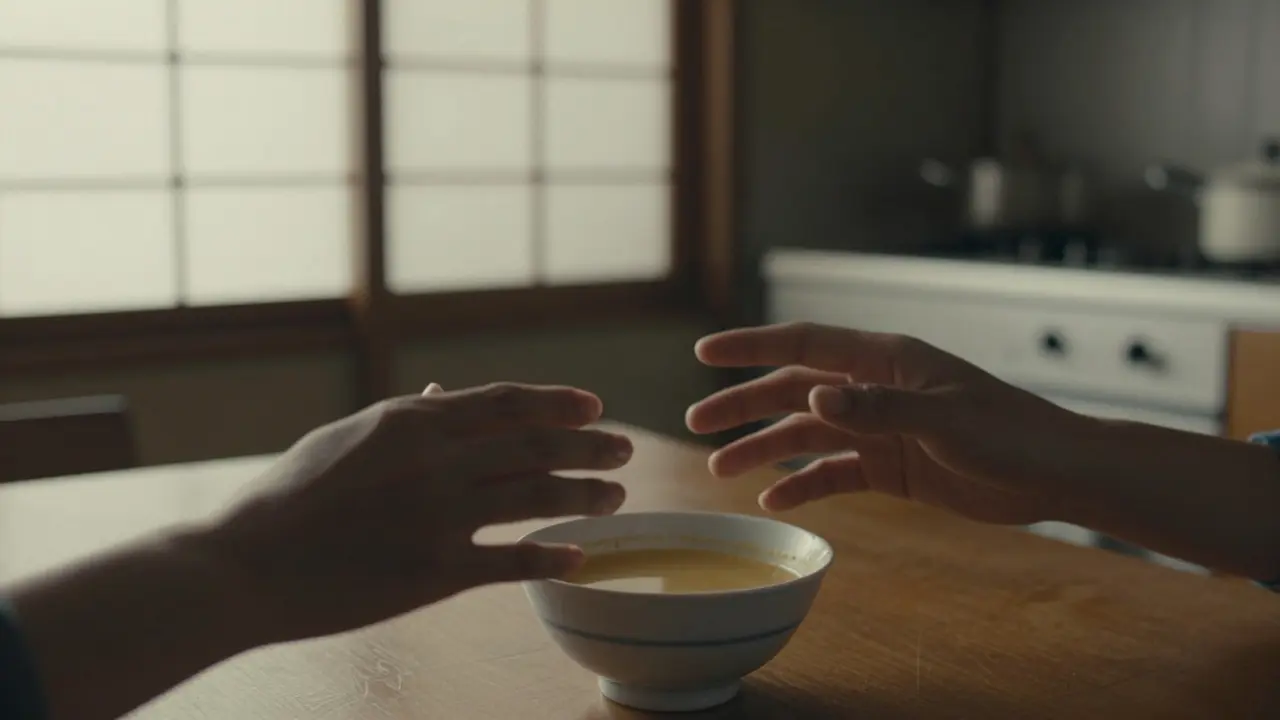
- Shoplifters (2018) - A modern classic. The family’s love isn’t shouted. It’s shown in shared meals, quiet hugs, and unspoken sacrifices.
These films don’t demand your attention. They earn it.
Classicism Isn’t a Style. It’s a Respect.
Classicism in cinema isn’t about looking backward. It’s about honoring the craft of storytelling. It’s the belief that a well-told story doesn’t need gimmicks. That silence can be louder than music. That a single tear can carry more weight than a thousand explosions.
It’s the reason we still return to these films-not because they’re old, but because they’re true.
Is classicism in cinema the same as old movies?
No. Classicism isn’t about age-it’s about structure. A 1940s film can be chaotic and unclassical. A 2020 film can be deeply classicist if it follows clear character arcs, cause-and-effect storytelling, and emotional restraint. Classicism is a philosophy, not a time period.
Why do modern audiences find classicist films slow?
Modern audiences are used to fast pacing, constant stimulation, and quick payoff. Classicist films ask you to sit with silence, to notice small gestures, and to let emotion build slowly. It’s not slow-it’s deliberate. Think of it like listening to jazz instead of pop: the beauty is in the spaces between the notes.
Can classicism work in horror or action films?
Absolutely. No Country for Old Men is a horror-thriller built on classicism. So is The Witch. The tension doesn’t come from jump scares-it comes from atmosphere, character, and inevitability. Action films like Mad Max: Fury Road use classicism too: every chase has purpose, every character has motivation, and the stakes are personal, not just physical.
Does classicism mean no creativity?
Not at all. Classicism is a framework, not a cage. It gives filmmakers a foundation so their creativity can focus on character, emotion, and truth-not on how to confuse the audience. The most creative films often use classic structure to make their bold ideas land harder.
Are there directors known for classicism?
Yes. Alfred Hitchcock, Yasujiro Ozu, Robert Bresson, and Ingmar Bergman were masters. Today, directors like Kelly Reichardt, Hirokazu Kore-eda, and Luca Guadagnino carry the tradition. Their films don’t shout. They whisper-and you lean in to hear them.
What to Watch Next
If you liked this, explore films that use similar storytelling: Before Sunrise, Paterson, The Piano, Amour, and Wendy and Lucy. These films don’t try to impress you with scale. They try to connect with you on a human level. That’s the real power of classicism.