Neoclassicism and Modern Design: Art Movements from 2025
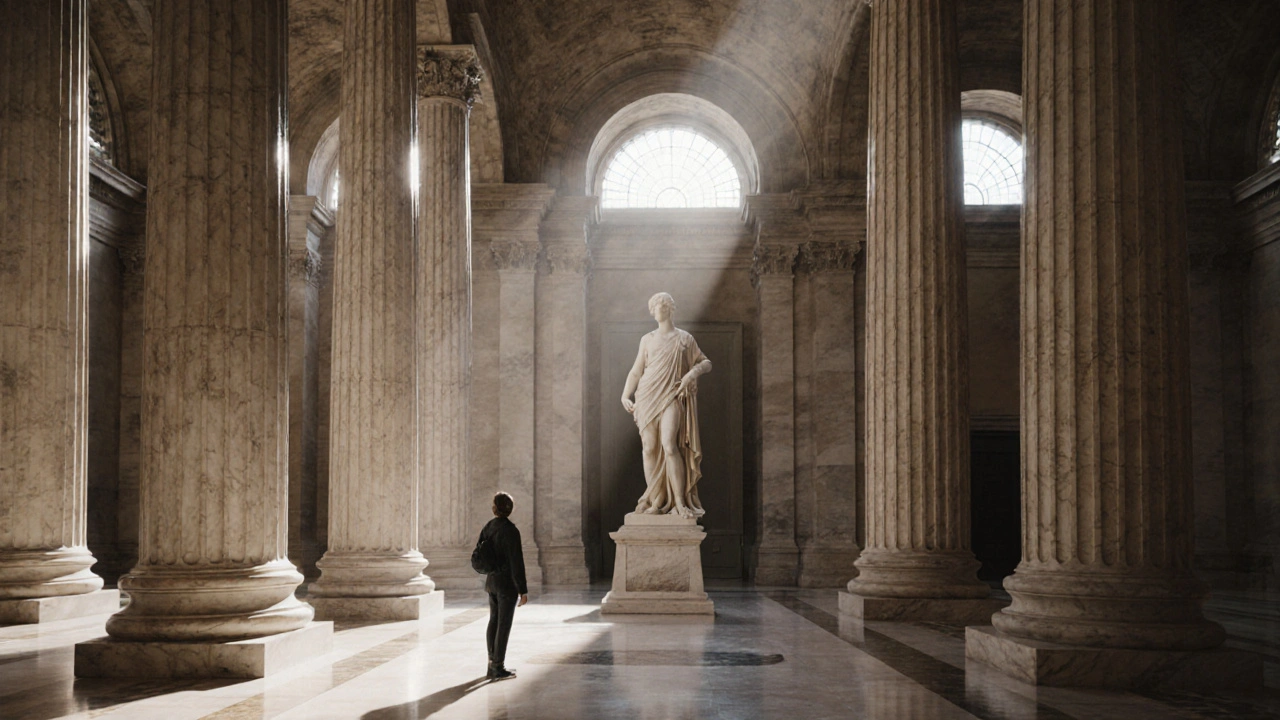
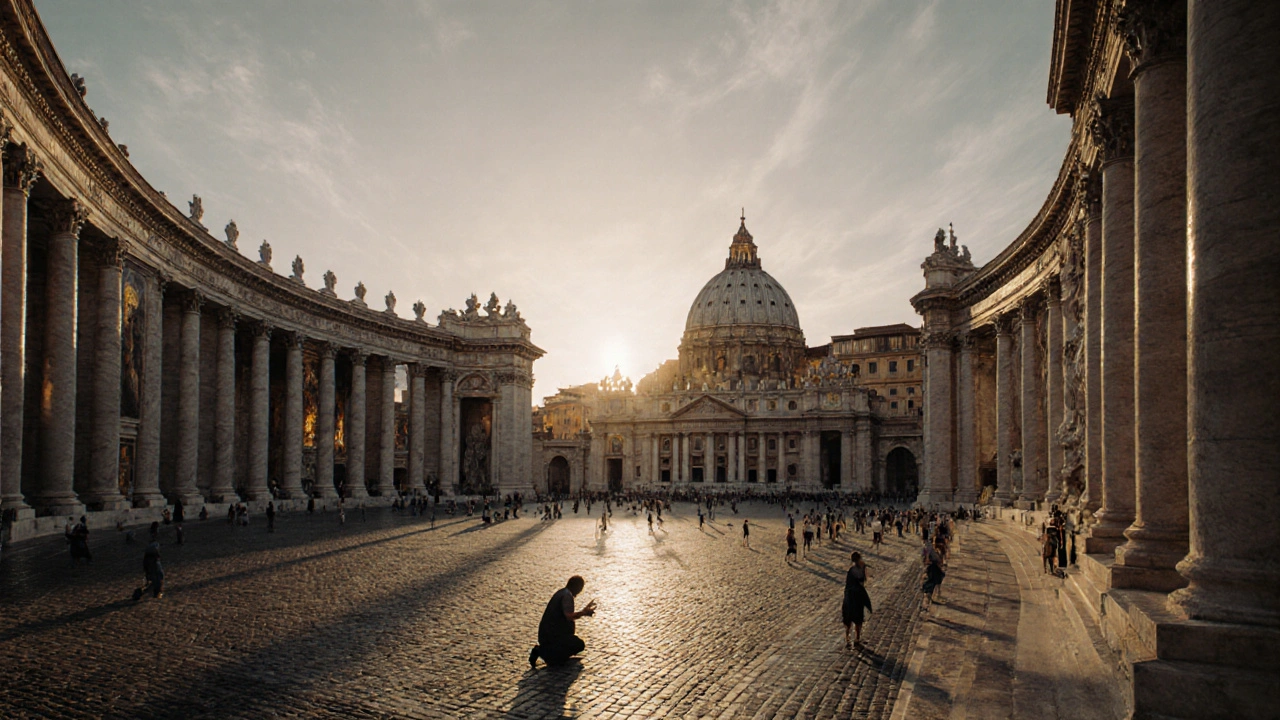
When we talk about neoclassicism, a revival of ancient Greek and Roman ideals in art and architecture that emphasized symmetry, restraint, and moral clarity. Also known as classical revival, it didn’t just fade into history—it quietly became the backbone of modern minimalism. You see it in clean-lined government buildings, sleek furniture, even the layout of your favorite app. It’s not about copying the past. It’s about using its rules—balance, proportion, order—to create something that feels timeless.
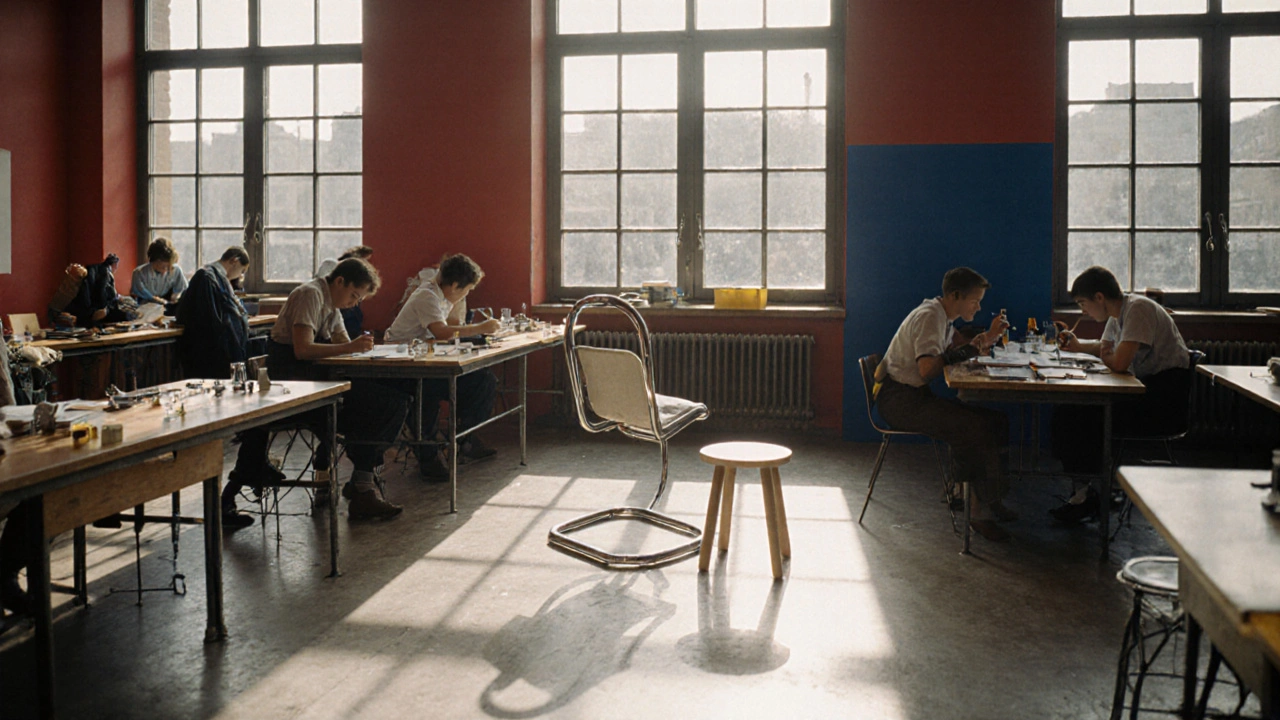
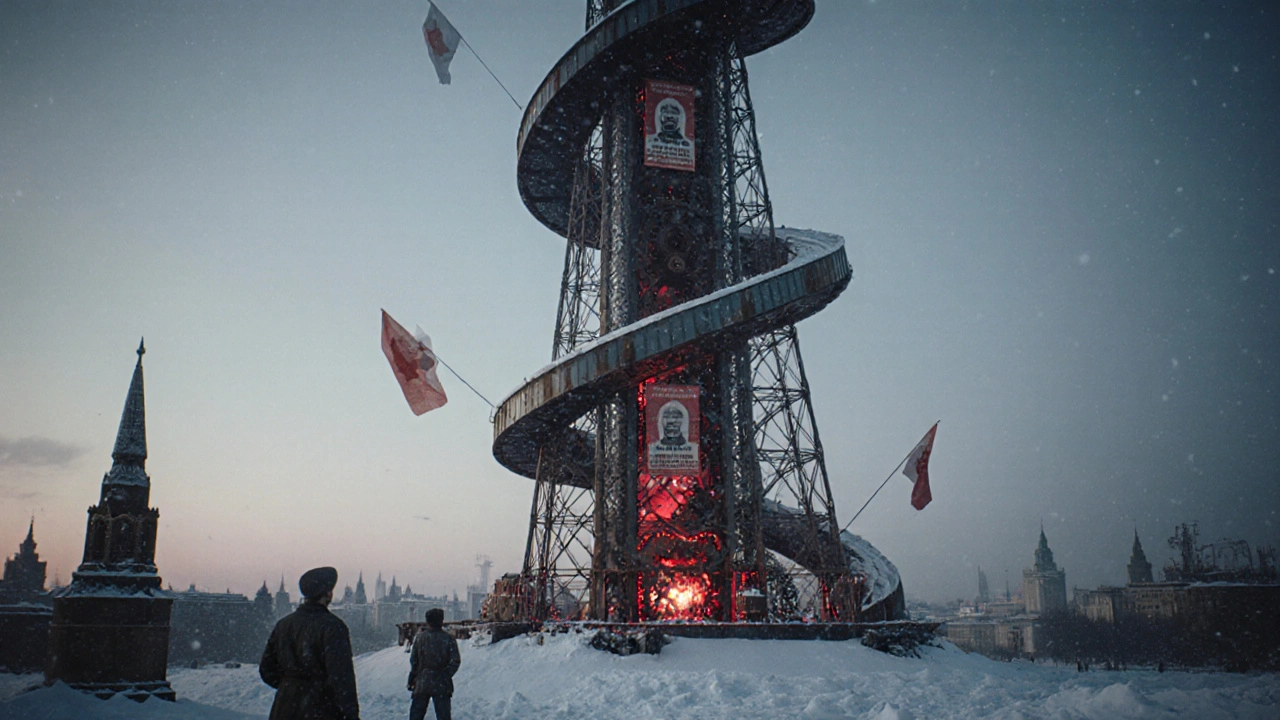
That same desire for clarity didn’t stop with neoclassicism. In the 20th century, movements like Bauhaus, a revolutionary design school that merged art, craft, and industrial production. Also known as modern design, it turned beauty into something you could buy at a store—not just hang in a museum. Bauhaus didn’t just make chairs. It changed how we think about space, function, and mass production. And right after it came Constructivism, an art movement born from the Russian Revolution that treated art as a tool for social change, not decoration. Also known as Russian avant-garde, its bold geometry and industrial materials pushed art out of studios and into factories, posters, and public buildings. These weren’t just styles. They were answers to big questions: What is art for? Who is it for? Can beauty be practical?
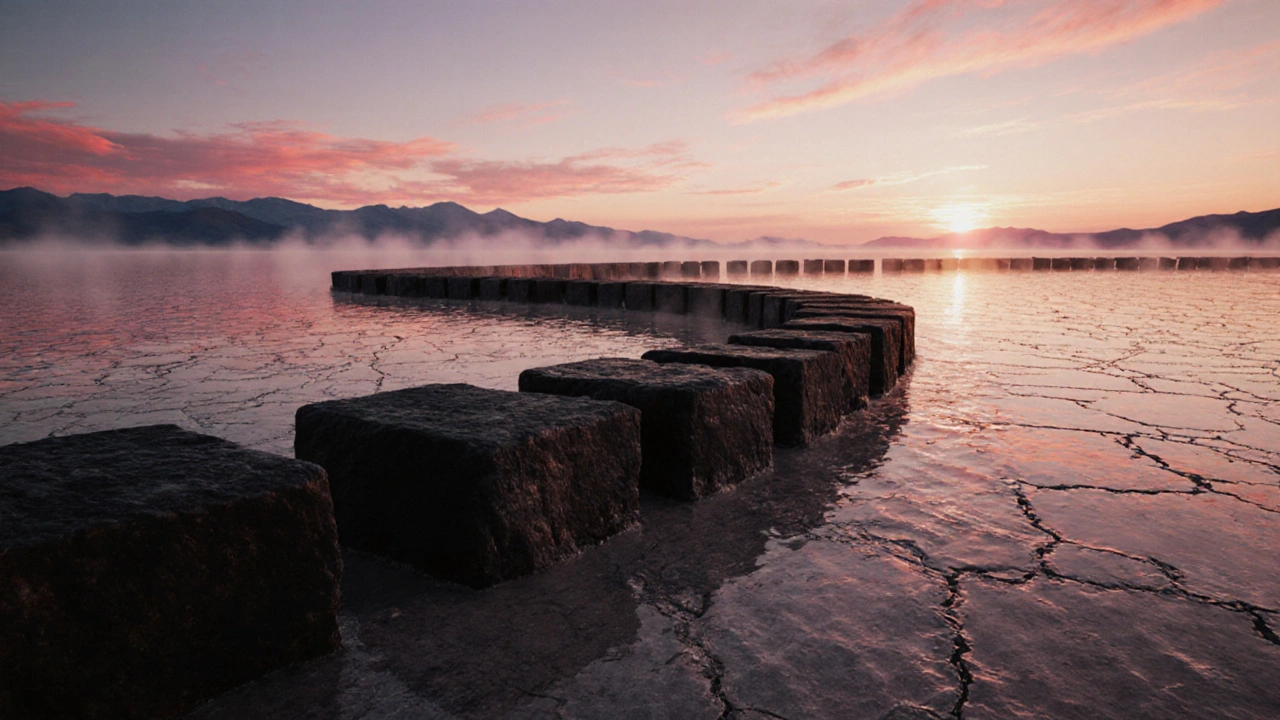
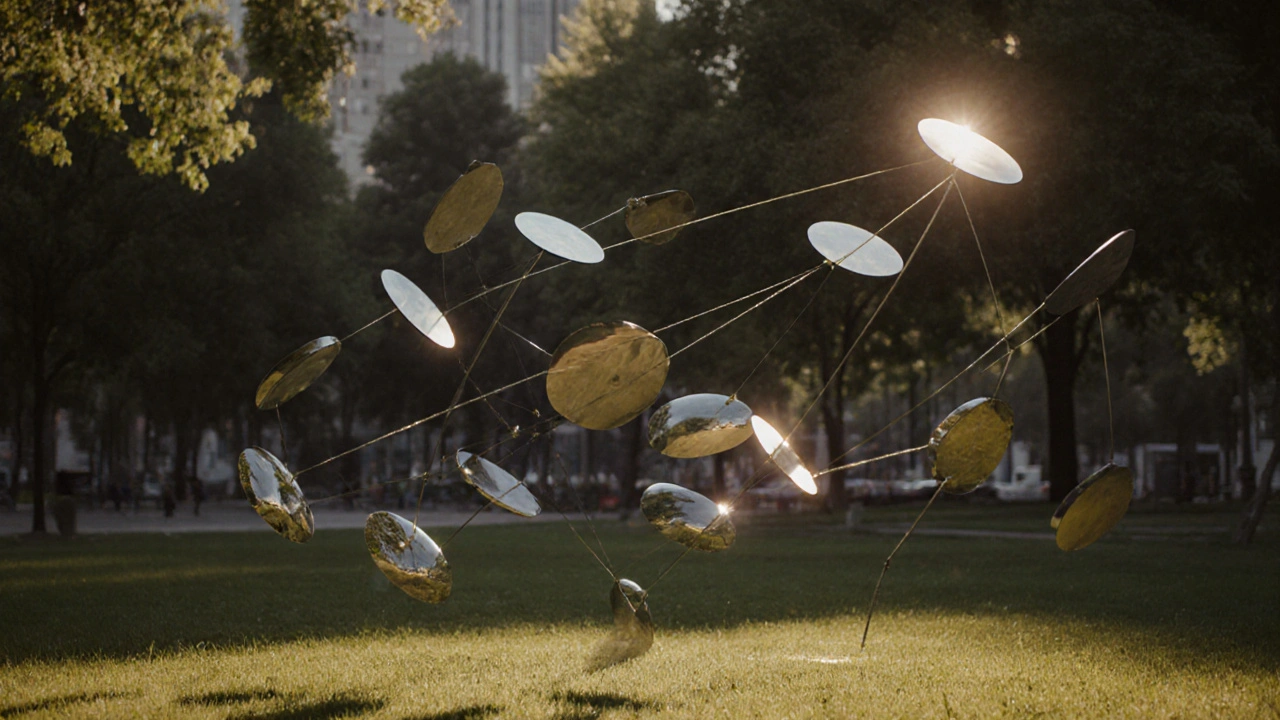
But not all art wanted to be practical. Some wanted to disappear into the earth. land art, a form of environmental sculpture using natural materials like rock, soil, and water, created outside galleries and often meant to fade over time. Also known as earthworks, it challenged the idea that art must be owned, sold, or preserved. Meanwhile, others made art move—kinetic art, sculptures that respond to wind, light, or touch, turning static objects into living experiences. Also known as dynamic sculpture, it blurred the line between art and engineering. These aren’t outliers. They’re part of the same conversation: What does art do when it’s not stuck on a wall?
And then there’s the quiet power of storytelling. magical realism, a visual style that blends the everyday with the impossible, revealing deeper truths through subtle, surreal imagery. Also known as visual fantasy, it doesn’t need dragons or castles—it finds magic in a kitchen, a street corner, a glance. That’s the thread tying all these movements together: they all ask you to look again. To question what you think you know. Whether it’s a marble column, a folding chair, a pile of rocks, or a comic panel, they’re all trying to say something real.
What you’ll find below isn’t just a list of articles. It’s a map of how ideas traveled—from ancient temples to modern apps, from revolutionaries in Moscow to artists digging in the desert. These are the moments when art stopped being decoration and started being a way of thinking.